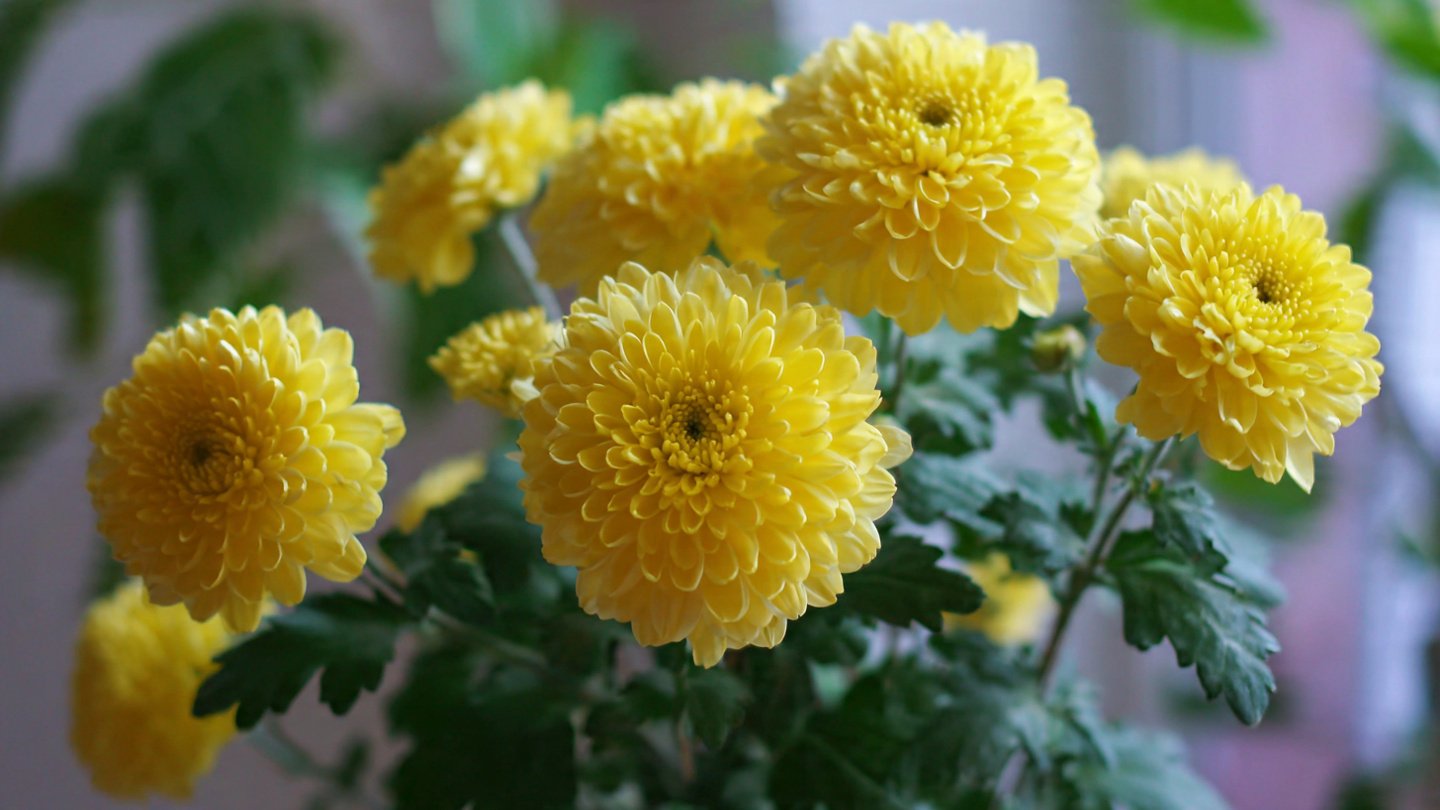
Chrysanthemums, commonly known as mums, are cherished for their vibrant colors and resilience in the garden. These perennial flowers are synonymous with autumn and make for stunning displays in both gardens and indoor arrangements. If you wish to propagate these flowers without the hassle of seeds, growing chrysanthemums from cuttings is a straightforward alternative. This guide will walk you through every step of successfully rooting and growing chrysanthemums from cuttings at home.
Understanding Chrysanthemums
Chrysanthemums belong to the Asteraceae family and boast a rich history that spans centuries. Native to Asia and northeastern Europe, these flowers symbolize optimism and joy in various cultures. With more than 40 species and numerous hybrids available, gardeners can choose from a wide range of types, including single, anemone, and pompon blooms.
Latest Posts
- OnePlus Turbo 6V 5G Launched – for Gamers with 9000mAh Battery, 220MP Camera & Snapdragon 8s Gen 4
- Realme GT 8 Pro Officially Launched – 200MP Camera, 7,000mAh Battery and Snapdragon 8 Elite
- OPPO K13 Turbo 5G Launched – 7,000mAh Battery, 50MP Camera and High-Performance Chipset
- Realme 17 Pro 5G Unveiled – IP69K Certified, 200MP Camera and Massive 8600mAh Battery
- Vivo Premium Smartphone Launched – 200MP Camera, 90W Fast Charging and 16GB RAM
- POCO F8 Ultra Launched – Snapdragon Flagship Power, Bose Audio and Huge Battery
- POCO F8 Ultra Launched – Snapdragon Flagship Power, Bose Audio and Huge Battery
- OnePlus Nord 3 5G Launched – 120Hz AMOLED Display, 50MP Camera and 5,000mAh Battery
- OnePlus Nord CE4 Launched – Powerful Snapdragon 7 Gen 3, 50MP Camera and Long-Lasting Battery
- OnePlus Smartphone Revealed – Premium 5G Smartphone with 200MP Camera, 24GB RAM and 100W Fast Charging
Why Propagate from Cuttings?
Growing chrysanthemums from cuttings offers several advantages:
- Genetic Consistency: Cuttings produce clones of the parent plant, ensuring consistent flower characteristics like color and shape.
- Faster Results: Cuttings typically root more quickly than seeds, allowing for quicker blooming.
- Easier for Beginners: Propagating from cuttings requires less initial knowledge and skill compared to starting from seeds.
Step-by-Step Guide to Growing Chrysanthemums from Cuttings
Step 1: Gather Your Materials
Before you begin, gather the following materials:
- Healthy chrysanthemum plants for cuttings
- Sharp, clean scissors or pruning shears
- Rooting hormone (optional but recommended)
- Well-draining potting mix or a seedling starter mix
- Small pots or trays
- A plastic bag or dome to create humidity
- A spray bottle for misting

Step 2: Taking Cuttings
-
Choose the Right Time: The best time to take cuttings is during the spring or early summer when the plant is actively growing. Ideally, choose non-flowering stems for optimal results.
-
Select Healthy Stems: Look for healthy stems that are about 4-6 inches long with several sets of leaves but are not too woody.
-
Cut the Stem: Use clean scissors to make a cut just below a leaf node. This node is where roots are more likely to emerge.
-
Remove Lower Leaves: Strip off the leaves from the bottom half of the cutting, leaving at least one or two leaves intact at the top. This helps the cutting focus its energy on root development.
Step 3: Prepare the Cuttings for Planting
-
Dip in Rooting Hormone: If desired, dip the cut end of the cutting in rooting hormone. This substance helps stimulate root growth and can increase your success rate.
-
Plant in Soil: Fill your pots or trays with the well-draining potting mix. Make a small hole in the center and gently insert the cutting. Firm the soil around the base to stabilize it.
-
Watering: Water the cuttings lightly to moisten the soil. Be careful not to drown them.

Step 4: Creating a Humid Environment
Chrysanthemum cuttings thrive in humid conditions as they root:
-
Covering the Cuttings: Place a plastic bag or a humidity dome over the pots to trap moisture. Ensure that the plastic does not touch the leaves to prevent mold development.
-
Monitor Humidity: Check the cuttings daily and mist them with water when necessary to maintain high humidity levels. Remove the cover for a few minutes daily to allow for ventilation.
Step 5: Care for Your Cuttings
-
Light Requirements: Place the pots in a location that receives bright but indirect sunlight. Direct sunlight can scorch the cuttings.
-
Watering Needs: Keep the soil moist but not soggy. Check the moisture level by inserting your finger into the soil. If it feels dry, water lightly.
-
Rooting Time: Depending on the variety and environmental conditions, chrysanthemum cuttings may take anywhere from 2 to 4 weeks to root. You can check for resistance when gently tugging the cutting—resistance means roots are forming.
Step 6: Transplanting Your Cuttings
Once your cuttings have rooted, it’s time to transplant them:
-
Choose a Suitable Location: Select a spot in your garden or larger pots where they can continue to grow.
-
Harden Off: Gradually acclimate your new plants to outdoor conditions over a week or so. Start by placing them outside for a few hours each day, gradually increasing the duration.
-
Planting: When ready, transplant them into the garden bed or larger pots, ensuring they are well spaced to allow for growth.

Step 7: Ongoing Care
Once you’ve successfully transplanted your chrysanthemums:
-
Water Regularly: Ensure the plants receive adequate moisture, especially during dry spells.
-
Fertilization: Fertilize every 4-6 weeks using a balanced fertilizer to encourage healthy growth and blooming.
-
Pinching Back: For bushier growth, pinch back the tips of the stems in early summer. This encourages lateral branching and more blooms.
-
Pest and Disease Management: Keep an eye out for common pests such as aphids or spider mites and diseases like powdery mildew. Use insecticidal soap or appropriate fungicides as needed.
-
End of Season Care: After the blooms have faded, cut back the plants in the fall to about 6 inches to promote robust growth in the following spring.
Troubleshooting Common Issues

Problem: Cuttings Fail to Root
Solutions: Ensure proper humidity levels, avoid overwatering, and check the light conditions. Using fresh, healthy cuttings is also essential.
Problem: Wilting Leaves
Solutions: Overwatering or underwatering can cause wilting. Assess soil moisture and adjust accordingly. Ensure proper drainage in pots.
Problem: Pest Infestation
Solutions: Regularly inspect plants for pests. If detected, treat with organic pesticides or insecticidal soaps.
FAQs
1. How long does it take for chrysanthemum cuttings to root?
Typically, chrysanthemum cuttings take about 2 to 4 weeks to root, depending on environmental conditions.
2. Can I grow chrysanthemums from seeds instead of cuttings?
Yes, you can grow chrysanthemums from seeds, but it takes longer, and there might be more variance in flower characteristics.
3. What is the best time of year to take chrysanthemum cuttings?
The best time to take cuttings is in spring or early summer when the plants are in active growth.

4. How can I tell if my cuttings have rooted?
You can gently tug on the cutting; if there is resistance, it indicates that roots have started to develop.
5. Should I use rooting hormone for my cuttings?
While not strictly necessary, applying rooting hormone can significantly improve your chances of successful rooting.
6. Do chrysanthemums need full sun?
Chrysanthemums thrive in bright, indirect sunlight. Too much direct sun can scorch the leaves.
7. How often should I water my chrysanthemum cuttings?
Water your cuttings lightly and maintain consistent moisture without overwatering. Check daily, especially in warmer climates.
Conclusion
Growing chrysanthemums from cuttings is an enjoyable and rewarding garden project. By following these steps, you can propagate these beautiful flowers successfully and enjoy their vibrant blooms year after year. Whether you’re a novice gardener or an experienced professional, propagating mums from cuttings is an effective way to expand your floral arrangements and landscape design. Happy gardening!