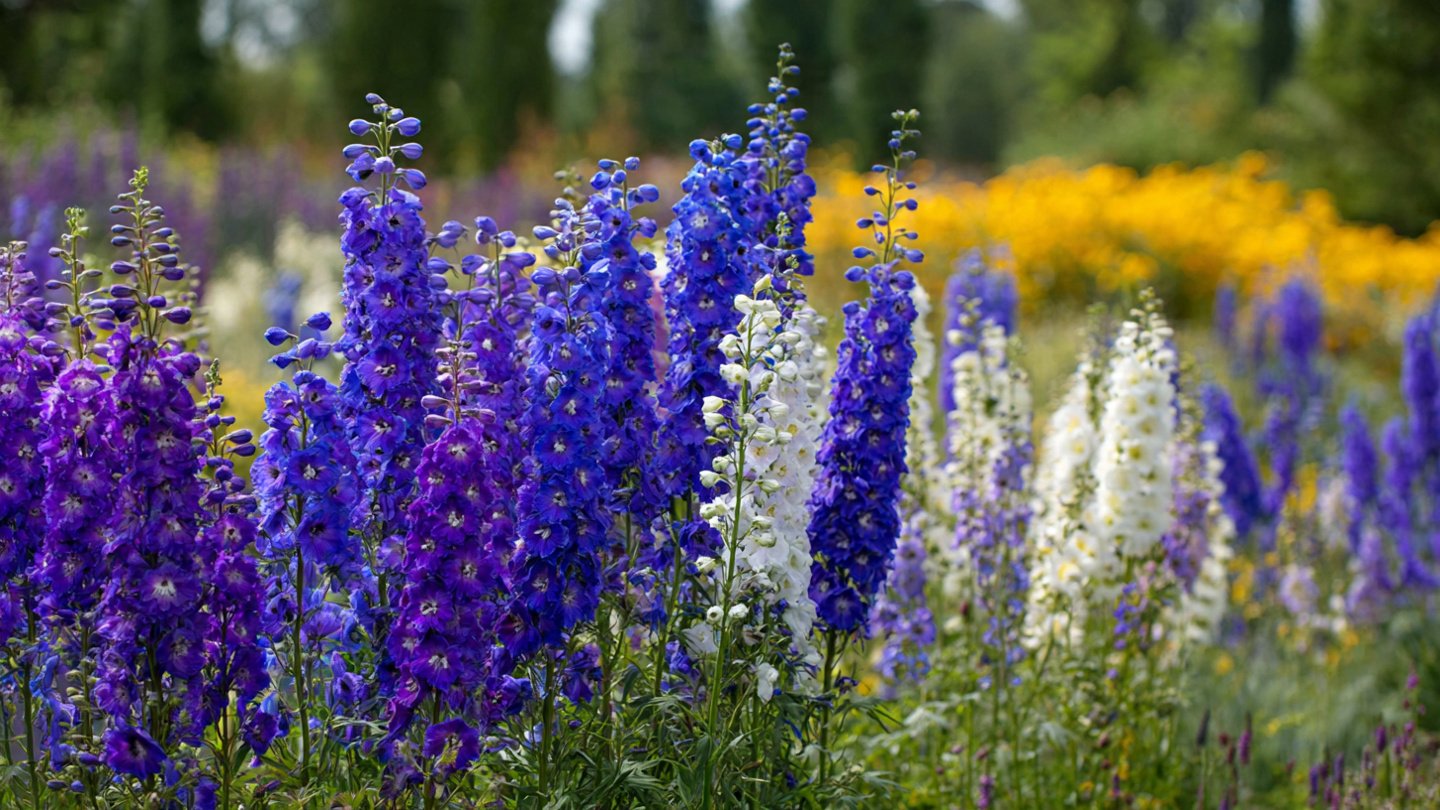
Delphiniums are prized for their stunning vertical spikes of flowers that can transform any garden into a vibrant and colorful haven. These tall, elegant plants are not only graceful but also attract pollinators, making them an excellent addition to any landscape. Growing delphiniums from seed may seem daunting, but with the right knowledge and techniques, you can cultivate these breathtaking plants successfully. This guide will take you through the entire process, from seed selection to care tips, ensuring you have all the tools necessary to create a kaleidoscope of color in your garden.
Understanding Delphiniums
What Are Delphiniums?
Latest Posts
- OnePlus Turbo 6V 5G Launched – for Gamers with 9000mAh Battery, 220MP Camera & Snapdragon 8s Gen 4
- Realme GT 8 Pro Officially Launched – 200MP Camera, 7,000mAh Battery and Snapdragon 8 Elite
- OPPO K13 Turbo 5G Launched – 7,000mAh Battery, 50MP Camera and High-Performance Chipset
- Realme 17 Pro 5G Unveiled – IP69K Certified, 200MP Camera and Massive 8600mAh Battery
- Vivo Premium Smartphone Launched – 200MP Camera, 90W Fast Charging and 16GB RAM
- POCO F8 Ultra Launched – Snapdragon Flagship Power, Bose Audio and Huge Battery
- POCO F8 Ultra Launched – Snapdragon Flagship Power, Bose Audio and Huge Battery
- OnePlus Nord 3 5G Launched – 120Hz AMOLED Display, 50MP Camera and 5,000mAh Battery
- OnePlus Nord CE4 Launched – Powerful Snapdragon 7 Gen 3, 50MP Camera and Long-Lasting Battery
- OnePlus Smartphone Revealed – Premium 5G Smartphone with 200MP Camera, 24GB RAM and 100W Fast Charging
Delphiniums belong to the Ranunculaceae family and are native to the Northern Hemisphere. They come in a variety of species and hybrids, including the popular Delphinium elatum and Delphinium Pacific hybrids. Known for their impressive height—some varieties can grow up to six feet—delphiniums produce large, dense flower spikes in various shades of blue, purple, white, and pink. The detailed petals and dramatic presence ensure that delphiniums often steal the show in any floral arrangement.
Growing Zones
Delphiniums typically thrive in USDA Hardiness Zones 3-7, depending on the specific variety. It’s crucial that you choose a delphinium type suitable for your local climate. In warmer areas (Zones 7-10), delphiniums may struggle in the heat, so selecting heat-tolerant varieties is advisable.
Seed Selection
Choosing the Right Seeds
When selecting delphinium seeds, look for reputable suppliers who provide seeds that are well-established. You may find that hybrid seeds often produce plants with better vigor and unique flower colors but note they may not be true to seed. Open-pollinated varieties, on the other hand, allow you to save seeds for future planting but may result in varied flower colors and shapes.
Seed Types and Varieties
- Pacific Giants: Known for their towering height and vibrant colors, these are a favorite among gardeners.
- Magic Fountains: A shorter variety that typically grows to about three feet tall, ideal for smaller gardens.
- Belladonna: These bloom earlier than most and offer unique colors, including soft pastels.

Preparing for Germination
Timing Your Planting
Delphiniums benefit from a cooler germination process. Start seeds indoors 8-10 weeks before the last expected frost date in your area. If you want to sow seeds outside, wait until after the last frost when soil temperatures are consistently above 60°F.
Soil Preparation
Delphiniums prefer well-draining soil rich in organic matter. A light, sandy loam is ideal. Before planting, prepare your planting bed by loosening the soil to a depth of about 12 inches and mixing in compost or well-rotted manure to enrich it.
Seed Sowing Techniques
-
Indoor Sowing:
- Fill seed trays or pots with moistened seed-starting mix.
- Scatter the seeds on the surface and lightly press them into the soil.
- Cover with a thin layer of soil, as delphinium seeds require light for germination.
- Mist the soil gently to avoid displacement.
-
Outdoor Sowing:
- Once the soil is ready, sow seeds in rows or clusters as desired.
- Lightly cover the seeds and water gently to avoid washing them away.
- Be mindful of spacing requirements—allow at least 12-18 inches between plants for optimum growth.

Germination Process
Providing the Right Conditions
Delphinium seeds typically germinate in 14-21 days, although some may take up to a month. Here’s how to encourage successful germination:
- Temperature: Ideal temperatures for germination range from 60°F to 70°F.
- Light: Exposure to light increases the chances of successful germination, so keep your sowing trays in a bright location or under grow lights.
- Humidity: Maintain high humidity around the seedlings by covering the trays with plastic or glass. Remove the cover once seedlings emerge to prevent mold.
Seedling Care
Thinning Seedlings
Once the seedlings develop their first true leaves, thin them to avoid overcrowding. This will allow healthy growth and proper air circulation, reducing the risk of fungal diseases.
Watering and Fertilizing
- Watering: Keep the soil consistently moist but not soggy. Water at the base of the plants to avoid wetting the foliage.
- Fertilizing: Apply a diluted, balanced fertilizer (like a 10-10-10 formulation) every 4-6 weeks to promote strong growth. Avoid high-nitrogen fertilizers, as they can lead to excessive leaf growth at the expense of flowers.

Transplanting Seedlings
Timing
After all risk of frost has passed and seedlings are about 4-6 inches tall, it’s time to transplant them to their final location.
Hardening Off
Before transplanting, harden off your seedlings by gradually introducing them to outdoor conditions over a week. Begin with a few hours in partial shade and gradually increase their exposure to sunlight and wind.
Transplanting Steps
- Select a Location: Choose an area with full sun and well-drained soil.
- Spacing: Plant delphiniums 12-24 inches apart, depending on the variety.
- Watering: Water deeply after transplanting to reduce stress and settle the soil around the roots.
Maintaining Your Delphiniums
Watering
Regular watering is essential, especially during dry spells. Aim for about an inch of water per week, either through rainfall or supplemental irrigation.
Fertilization
After the first bloom, fertilize again using a low-nitrogen fertilizer to encourage blooming rather than excessive leaf growth.

Staking
Due to their height, delphiniums often require staking to prevent them from toppling over during windy conditions. Install bamboo stakes or a support system shortly after transplanting.
Pests and Diseases
Keep an eye out for pests such as aphids, slugs, and snails. Utilization of organic insecticides or traps can effectively manage these pests. Fungal diseases can be mitigated through proper air circulation, spacing, and avoiding overhead watering.
Encouraging Blooms
Delphiniums typically bloom in late spring to early summer. To encourage more blooms, deadhead spent flowers regularly. This will not only maintain the plant’s appearance but also promote new growth.
Cuttings and Propagation
If you love your delphiniums and want more, consider collecting and saving seeds from existing plants. Alternatively, you can take cuttings in early spring to propagate more delphiniums.
Conclusion
Growing delphiniums from seed can be an incredibly rewarding experience, culminating in a stunning display of color that can elevate the beauty of your garden. While it requires patience and attention to detail, following the guide outlined above will ease the process significantly. With proper planning and care, your delphiniums will stand tall, showcasing their vibrant flower spikes and enchanting your garden for seasons to come.
FAQs
1. How long do delphinium seeds take to germinate?
Delphinium seeds typically germinate in 14-21 days, though some may take up to a month, depending on conditions.

2. Do delphiniums come back each year?
Yes, delphiniums are perennial plants, meaning they will typically return each year. However, in warmer climates, they may behave as biennials or annuals.
3. Can I grow delphiniums in containers?
Yes, delphiniums can be grown in containers, but they require a large pot and sufficient support for their height.
4. What should I do if my delphiniums are not blooming?
If delphiniums are not blooming, ensure they have adequate sunlight, proper watering, and are fertilized correctly. Deadheading spent flowers can also encourage new blooms.
5. Are delphiniums toxic to pets?
Yes, delphiniums contain toxic compounds that can be harmful to pets if ingested. It’s essential to keep them out of reach of curious animals.
By following this ultimate guide, you will be well on your way to successfully growing vibrant delphiniums that not only beautify your garden but also attract beneficial wildlife. Happy gardening!