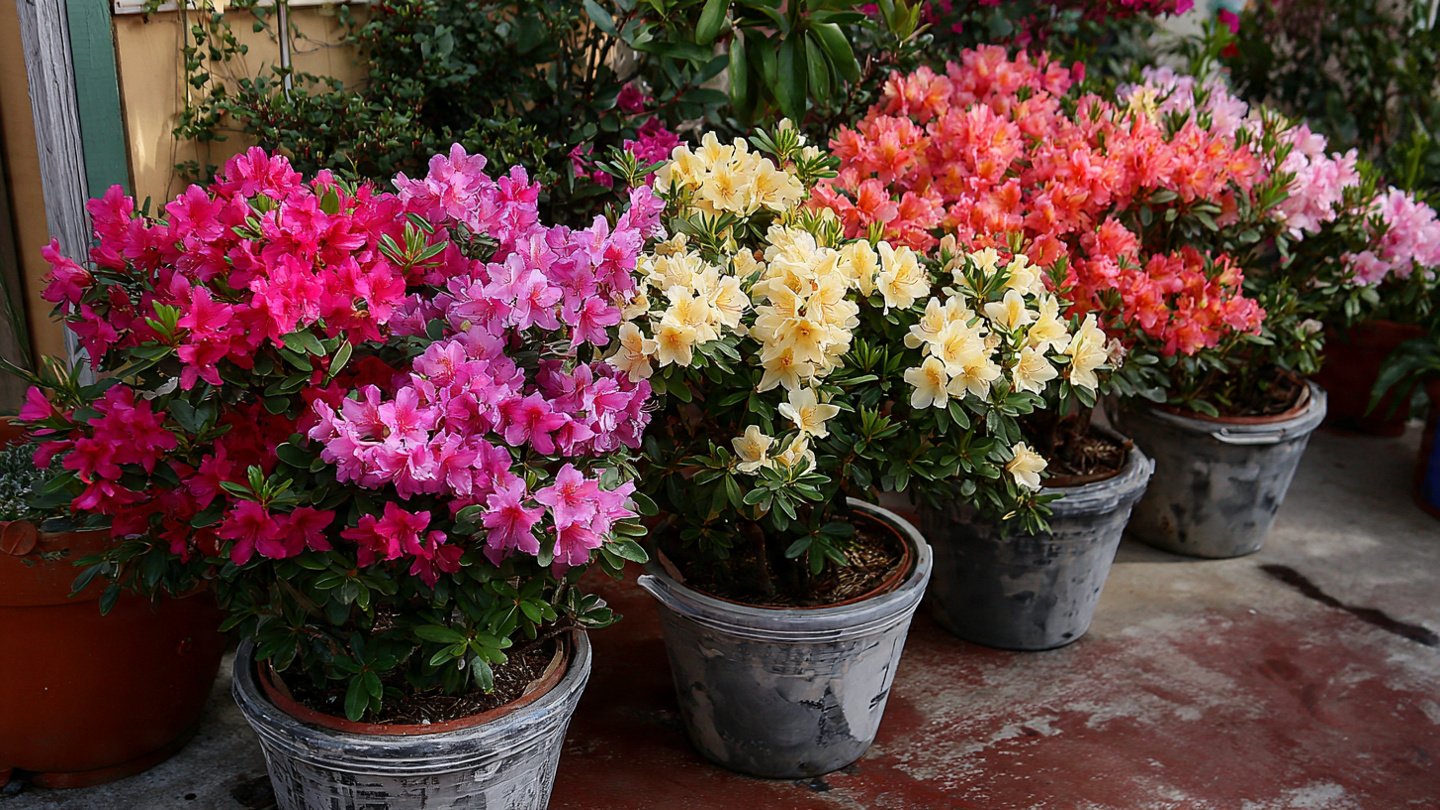
Rhododendrons are a stunning addition to any garden, bursting with vibrant blooms and lush foliage. Though traditionally considered garden plants, they adapt beautifully to container life, allowing you to enjoy their beauty even in smaller spaces. This ultimate guide will take you through every aspect of successfully growing rhododendrons in pots, ensuring you reap the rewards of their magnificent flowers.
Understanding Rhododendrons
Characteristics of Rhododendrons
Latest Posts
- OnePlus Turbo 6V 5G Launched – for Gamers with 9000mAh Battery, 220MP Camera & Snapdragon 8s Gen 4
- Realme GT 8 Pro Officially Launched – 200MP Camera, 7,000mAh Battery and Snapdragon 8 Elite
- OPPO K13 Turbo 5G Launched – 7,000mAh Battery, 50MP Camera and High-Performance Chipset
- Realme 17 Pro 5G Unveiled – IP69K Certified, 200MP Camera and Massive 8600mAh Battery
- Vivo Premium Smartphone Launched – 200MP Camera, 90W Fast Charging and 16GB RAM
- POCO F8 Ultra Launched – Snapdragon Flagship Power, Bose Audio and Huge Battery
- POCO F8 Ultra Launched – Snapdragon Flagship Power, Bose Audio and Huge Battery
- OnePlus Nord 3 5G Launched – 120Hz AMOLED Display, 50MP Camera and 5,000mAh Battery
- OnePlus Nord CE4 Launched – Powerful Snapdragon 7 Gen 3, 50MP Camera and Long-Lasting Battery
- OnePlus Smartphone Revealed – Premium 5G Smartphone with 200MP Camera, 24GB RAM and 100W Fast Charging
Rhododendrons belong to a large genus of flowering plants in the heath family, Ericaceae. They come in various shapes, sizes, and colors, with the ability to grow up to 6-15 feet in height. The leaves are typically thick and leathery, and the flowers can be found in shades ranging from white to deep purple.
Varieties Suitable for Pots
When selecting rhododendrons for container gardening, consider dwarf varieties such as:
- Rhododendron ‘Purple Gem’: A compact variety with rich purple flowers.
- Rhododendron ‘Gumpo Pink’: Small but vibrant, producing lovely pink blooms.
- Rhododendron ‘Catawbiense Grandiflorum’: Known for its large lavender flowers, this variety does well in pots.
Choosing the Right Pot
Size Matters
Choose a pot that offers adequate space for growth. A pot that is at least 16-20 inches in diameter is typically sufficient for dwarf varieties. Ensure there is enough depth to accommodate the extensive root systems of these plants.
Material Considerations
Rhododendrons thrive in specific conditions, and the material of the pot can influence their health:
- Terracotta: Breathable but can dry out quickly.
- Plastic: Lightweight and retains moisture, but can heat up easily in direct sunlight.
- Ceramic: Attractive and retains moisture, but can be heavy.

Drainage is Key
Ensure your pot has adequate drainage holes. Good drainage is crucial to prevent root rot, which can be a significant issue with rhododendrons. If your pot doesn’t have drainage holes, consider placing a layer of pebbles at the bottom.
Soil Selection
Acidic Soil Requirement
Rhododendrons prefer acidic soil (pH 4.5-6.0). Regular potting soil may not provide the right balance. Instead, opt for:
- Rhododendron or Azalea Mix: These specialized mixes are readily available at garden centers.
- Peat Moss: It helps maintain the acidity required for rhododendrons.
- Pine Bark Mulch: Incorporating this will not only add nutrients but also improve soil aeration.
Soil Drainage
Incorporate perlite or sand to enhance drainage. This ensures that water does not accumulate, allowing the roots to breathe and reducing the risk of diseases.
Planting Your Rhododendron
When to Plant
The best time to plant rhododendrons is in the spring or early fall. This allows the plants to establish themselves before extreme temperatures hit.
Planting Steps

- Prepare the Pot: Add a layer of drainage material (like gravel or broken pots) at the bottom.
- Add Soil: Fill the pot with your prepared rhododendron mix, leaving enough space for the root ball.
- Position the Plant: Carefully remove the plant from its nursery pot, gently loosening any tightly bound roots. Place the rhododendron in the center of the pot.
- Fill with Soil: Add more potting mix around the root ball, ensuring the top of the root ball is level with the rim of the pot.
- Water Thoroughly: After planting, give your rhododendron a deep watering to help settle the soil.
Watering Your Rhododendron
General Guidelines
Rhododendrons require consistent moisture but are sensitive to overwatering.
- Watering Frequency: During the growing season (spring and summer), check the soil frequently. Water when the top inch feels dry.
- Winter Precautions: In winter, reduce watering, but do ensure the soil stays slightly moist, particularly in dry indoor environments.
Signs of Under/Over-Watering
- Under-watering: Wilting leaves, dry soil, and poor growth.
- Over-watering: Yellowing leaves, droopy plant, and a musty smell from the soil.
Fertilization
Choosing the Right Fertilizer
Rhododendrons benefit from a balanced, slow-release, acid-forming fertilizer. Look for formulations specifically labeled for rhododendrons or azaleas:
- Organic Options: Use well-rotted compost or fish emulsion.
- Granular Fertilizers: Apply in early spring as new growth begins.

Application Tips
- Follow the manufacturer’s instructions for dosage.
- Scrape the top layer of soil away and mix the fertilizer into the upper soil layer.
- Water well after application to prevent root burn.
Pruning Rhododendrons
When to Prune
Pruning should be done immediately after blooming, typically in late spring or early summer. This timing helps avoid cutting off next year’s flower buds, which form soon after flowering.
Pruning Techniques
- Deadheading: Remove spent blooms to keep the plant looking tidy.
- Shaping: Trim back excessively long branches to maintain the desired size and shape.
- Removing Dead Wood: Cut away any dead or diseased parts to promote healthy growth.
Pest and Disease Management
Common Pests
Rhododendrons can attract various pests, such as:
- Aphids: Small, green insects that can cause leaf distortion. Use insecticidal soap for quick removal.
- Spider Mites: Can be controlled by increasing humidity around the plant.

Common Diseases
- Root Rot: Caused by overwatering. Ensure proper drainage to avoid this issue.
- Powdery Mildew: A fungal disease that can be mitigated with proper air circulation and spacing.
Winter Care for Potted Rhododendrons
Protecting from Frost
In colder climates, rhododendrons in pots require special care during winter:
- Placement: Move pots to a sheltered location, like a garage or covered porch.
- Mulching: Apply a layer of mulch around the base of the plant to retain heat.
Watering in Winter
Even in winter, check the soil moisture. If it’s dry, water it lightly to keep the roots hydrated but avoid saturating the soil.
Tips for Ensuring Vibrant Blooms
- Sunlight: Rhododendrons thrive in partial shade. Too much direct sun can scorch the leaves, while too much shade can reduce blooming.
- Mulching: Consider mulching with pine bark or pine needles, which can help maintain moisture and acidity.
- Patience: It may take a few years for your rhododendron to reach its full blooming potential. Ensure you provide consistent care.
Conclusion
Growing rhododendrons in pots is a rewarding endeavor. With the right care—from selecting the appropriate variety to providing the ideal growing conditions—you can enjoy their stunning blooms and lush foliage in any setting. Whether you have a large outdoor space or a cozy balcony, rhododendrons can bring a splash of color and vibrancy to your home.

FAQs
1. How often should I water my potted rhododendron?
Water when the top inch of soil feels dry, typically once or twice a week during the growing season, and reduce watering in winter.
2. Can I use regular garden soil for rhododendrons?
No, rhododendrons prefer acidic soil. It’s best to use a specialized rhododendron or azalea potting mix.
3. How can I tell if my rhododendron is getting too much sun?
If you notice scorched or crispy leaf edges, your rhododendron may be getting too much direct sunlight.
4. What do I do if I see pests on my rhododendron?
Use insecticidal soap or neem oil to treat common pests like aphids and spider mites.
5. Will my potted rhododendron bloom every year?
With proper care, including watering and fertilizing, your rhododendron should bloom each year, though young plants may take a few years to reach full blooming maturity.