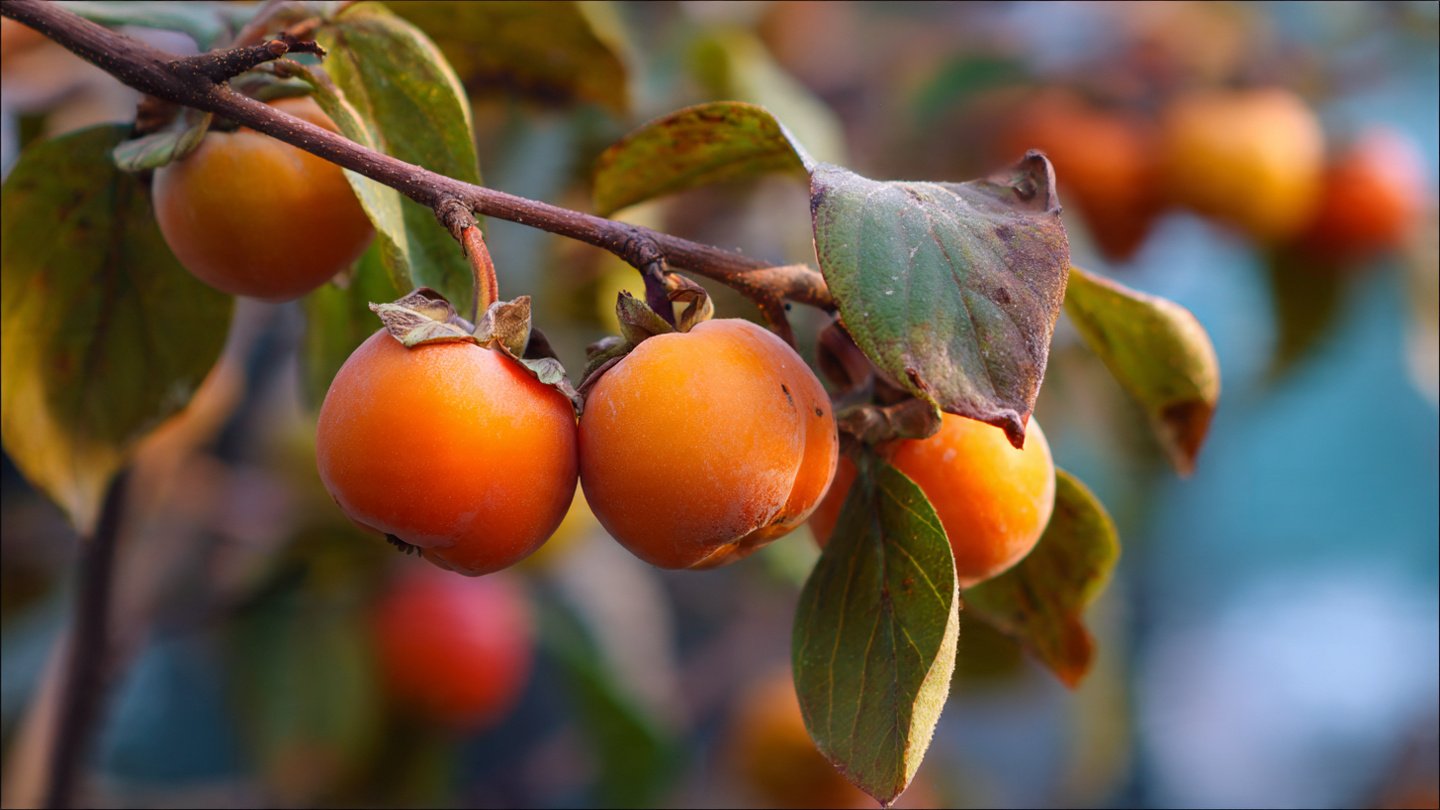
American persimmons (Diospyros virginiana) are not only delicious but also offer a wealth of benefits when grown in your own backyard. These fruiting trees can thrive in a variety of conditions and, with a bit of knowledge, can provide a bountiful harvest year after year. In this guide, we’ll explore everything you need to know about growing American persimmons at home, from choosing the right variety to harvesting and caring for your trees.
1. Understanding American Persimmons
1.1 Overview
American persimmons are native to the eastern United States and parts of Mexico. The fruit is small, round to oval-shaped, and typically has a rich orange color when ripe. The taste can be sweet, often likened to a mix of apricot and mango, but they must be fully ripe to avoid an astringent flavor.
1.2 Varieties
Here are some popular varieties of American persimmons:
- Prok: Known for its high fruit yield and sweet flavor, Prok is a favorite among home gardeners.
- Meader: A hardy variety that’s resistant to disease and can produce fruit even in less-than-ideal soil conditions.
- Early Golden: This early-bearing variety produces small, sweet fruits and is known for its adaptability.
2. Selecting the Right Location
2.1 Climate
American persimmons prefer a temperate climate with distinct seasons. They thrive in USDA hardiness zones 4 to 9, making them ideal for a wide range of gardeners. Ensure that you select a location that provides protection from harsh winds and severe frosts.

2.2 Soil Requirements
Persimmons prefer well-drained, loamy soil that is rich in organic matter. Ensure the soil pH is between 6.0 and 7.5. Conducting a soil test can provide insights about nutrient levels and pH, allowing you to amend the soil as needed.
Latest Posts
- OnePlus Turbo 6V 5G Launched – for Gamers with 9000mAh Battery, 220MP Camera & Snapdragon 8s Gen 4
- Realme GT 8 Pro Officially Launched – 200MP Camera, 7,000mAh Battery and Snapdragon 8 Elite
- OPPO K13 Turbo 5G Launched – 7,000mAh Battery, 50MP Camera and High-Performance Chipset
- Realme 17 Pro 5G Unveiled – IP69K Certified, 200MP Camera and Massive 8600mAh Battery
- Vivo Premium Smartphone Launched – 200MP Camera, 90W Fast Charging and 16GB RAM
- POCO F8 Ultra Launched – Snapdragon Flagship Power, Bose Audio and Huge Battery
- POCO F8 Ultra Launched – Snapdragon Flagship Power, Bose Audio and Huge Battery
- OnePlus Nord 3 5G Launched – 120Hz AMOLED Display, 50MP Camera and 5,000mAh Battery
- OnePlus Nord CE4 Launched – Powerful Snapdragon 7 Gen 3, 50MP Camera and Long-Lasting Battery
- OnePlus Smartphone Revealed – Premium 5G Smartphone with 200MP Camera, 24GB RAM and 100W Fast Charging
2.3 Sunlight
Plant your persimmon tree in a location that receives full sunlight for at least six hours a day. Adequate sunlight is crucial for promoting flowering and fruiting.
3. Planting American Persimmons
3.1 Propagation
American persimmons can be propagated from seeds or nursery-bought seedlings. Starting from seeds can be a lengthy process, so most gardeners choose seedlings.
3.2 Planting Process
- Timing: Plant in early spring or fall to give roots ample time to establish.
- Spacing: Space the trees about 20 feet apart to allow adequate air circulation.
- Planting: Dig a hole twice the width of the root ball but no deeper. Place the tree in the center, backfill with soil, and water thoroughly.
3.3 Watering
Water the newly planted trees consistently, ensuring the soil remains moist but not soggy. Once established, American persimmons are drought-tolerant but will benefit from deep watering during dry spells.

4. Caring for Your Persimmon Tree
4.1 Fertilization
Feed your persimmons with a balanced fertilizer in early spring. Organic options, like compost or aged manure, can also provide the necessary nutrients.
4.2 Pruning
Pruning is essential for promoting air circulation and removing dead or diseased branches. Prune in late winter or early spring when the tree is dormant. Focus on shaping the tree and maintaining an open canopy.
4.3 Pest and Disease Management
American persimmons are generally resistant to pests and diseases. However, you should keep an eye out for:
- Fruit flies: They can be trapped with yellow sticky traps.
- Scale insects: Manual removal or horticultural oil can help manage infestations.
4.4 Mulching
Applying a layer of organic mulch around the base of the tree can help retain moisture, suppress weeds, and enhance soil quality as it breaks down.

5. Harvesting American Persimmons
5.1 Timing
American persimmons typically start producing fruit in 3 to 5 years after planting. Harvest the fruit only when it has fully ripened, which is usually in late fall. The fruit should feel soft to the touch and have a deep orange color.
5.2 Storage
Fresh persimmons can be stored in the refrigerator for several weeks. They can also be dried, made into preserves, or used in various recipes.
6. Troubleshooting Common Issues
6.1 Fruit Drop
If your persimmon tree drops its fruit prematurely, it could be due to several factors, including:
- Insufficient water: Ensure consistent watering, especially during the fruiting period.
- Nutrient deficiencies: A balanced fertilizer can help prevent deficiencies.
6.2 Poor Fruit Quality
If the fruit lacks sweetness, it may not have been harvested at the right time. Always wait until it’s fully ripe before picking.

7. Frequently Asked Questions (FAQs)
7.1 When is the best time to plant American persimmons?
The best time to plant American persimmons is in early spring or early fall. This timing allows for root establishment before extreme temperatures hit.
7.2 Do I need more than one tree for pollination?
American persimmons can be dioecious, meaning that individual trees are male or female. To ensure a fruitful harvest, it’s best to plant at least one male tree for every 2 to 3 females.
7.3 How long does it take for persimmons to bear fruit?
American persimmons typically begin to bear fruit in 3 to 5 years after planting, depending on the variety and growing conditions.
7.4 What animals are attracted to persimmons?
Birds, squirrels, and raccoons are commonly attracted to persimmons. Consider using bird nets or other deterrents to protect your fruit.

7.5 Can I grow persimmons in containers?
Yes, persimmons can be grown in large containers, but they may require more frequent watering and feeding to ensure healthy growth.
7.6 What should I do if my tree is not producing fruit?
Check for proper pollination (if applicable), watering needs, and overall health of the tree. Fertilization and adequate sunlight are also crucial for fruit production.
Conclusion
Growing American persimmons at home can be a rewarding experience that yields delicious fruit and enhances your garden’s appeal. By understanding their requirements and caring for your trees properly, you can enjoy a flourishing garden with the potential for sweet, ripe persimmons just a few years down the line. Happy gardening!