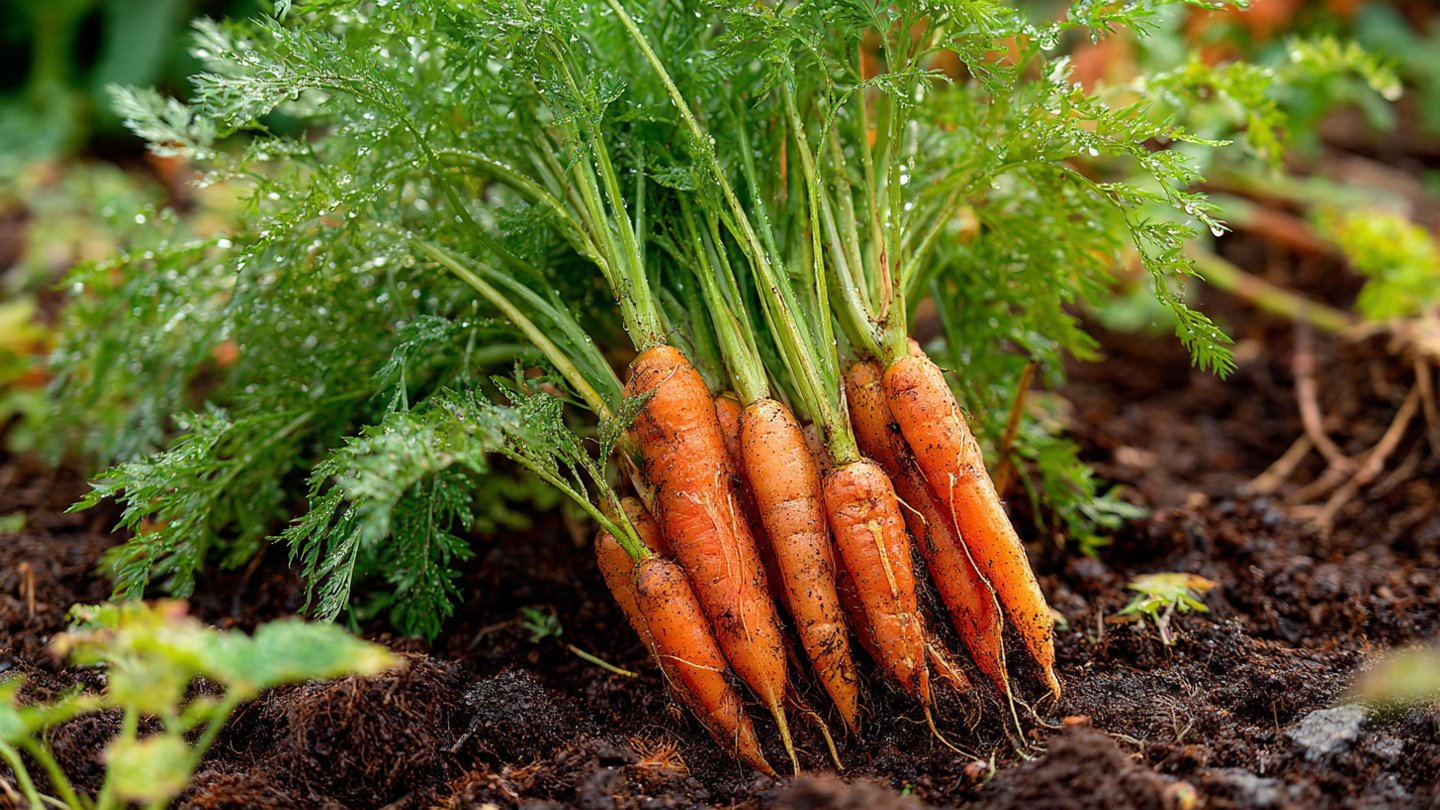
Carrots are a popular and nutritious vegetable that can easily be grown in home gardens. Not only are they delicious fresh, but they are also rich in vitamins and minerals, making them a fantastic addition to a healthy diet. In this comprehensive guide, we’ll cover everything you need to know about growing carrots from seeds in your home garden, from choosing the right variety to harvesting your crop. We’ll also include a FAQs section at the end to address common queries.
1. Understanding Carrot Varieties
1.1 Types of Carrots
Before you begin, it’s essential to choose the right carrot variety for your garden:
- Danvers: Known for its adaptability, Danvers carrots are medium-length with a sweet flavor, making them ideal for home gardeners.
- Nantes: These carrots are cylindrical, tender, and sweet, often preferred for eating fresh.
- Imperator: With long, tapered roots, Imperator carrots are commonly found in grocery stores and are known for their crunchiness.
- Baby Carrots: Smaller varieties like ‘Paris Market’ or ‘Little Finger’ are perfect for those with smaller garden spaces or for snacking.
1.2 Choosing the Right Seeds
When purchasing carrot seeds, consider the following:
- Organic vs. Non-Organic: Organic seeds come from plants grown without synthetic fertilizers or pesticides.
- Heirloom vs. Hybrid: Heirloom seeds are open-pollinated and can be saved for future planting, while hybrids are bred for specific traits but do not reproduce true to form.
2. Preparing Your Garden Space
2.1 Selecting the Location
Carrots prefer a location with full sun, receiving at least 6-8 hours of sunlight daily. Select an area with well-draining soil, as carrots are prone to rot in overly wet conditions.

2.2 Soil Requirements
- Soil Type: Carrots thrive in sandy, loamy soil that is loose and free of rocks.
- Soil pH: Aim for a soil pH between 6.0 and 6.8 for optimal growth.
- Soil Preparation: Remove weeds, stones, and debris. Loosen the soil by digging to a depth of at least 12 inches. Adding organic matter like compost can improve soil structure.
2.3 Fertilizing the Soil
Before planting, incorporate a balanced fertilizer into the soil. Look for a mix such as 10-10-10 NPK (nitrogen, phosphorus, potassium), or a fertilizer tailored for root vegetables.
Latest Posts
- OnePlus Turbo 6V 5G Launched – for Gamers with 9000mAh Battery, 220MP Camera & Snapdragon 8s Gen 4
- Realme GT 8 Pro Officially Launched – 200MP Camera, 7,000mAh Battery and Snapdragon 8 Elite
- OPPO K13 Turbo 5G Launched – 7,000mAh Battery, 50MP Camera and High-Performance Chipset
- Realme 17 Pro 5G Unveiled – IP69K Certified, 200MP Camera and Massive 8600mAh Battery
- Vivo Premium Smartphone Launched – 200MP Camera, 90W Fast Charging and 16GB RAM
- POCO F8 Ultra Launched – Snapdragon Flagship Power, Bose Audio and Huge Battery
- POCO F8 Ultra Launched – Snapdragon Flagship Power, Bose Audio and Huge Battery
- OnePlus Nord 3 5G Launched – 120Hz AMOLED Display, 50MP Camera and 5,000mAh Battery
- OnePlus Nord CE4 Launched – Powerful Snapdragon 7 Gen 3, 50MP Camera and Long-Lasting Battery
- OnePlus Smartphone Revealed – Premium 5G Smartphone with 200MP Camera, 24GB RAM and 100W Fast Charging
3. Sowing Carrot Seeds
3.1 When to Plant
The best time to plant carrots varies by region, but generally, they can be sown:
- Spring: As soon as the soil can be worked, typically 2-4 weeks before the last frost.
- Fall: You can also sow them 10-12 weeks before the first frost, particularly in warmer climates.
3.2 How to Plant
- Row Preparation: Create shallow furrows in the soil, about ¼ to ½ inch deep, spaced 12-18 inches apart.
- Seed Spacing: Sow the seeds thinly, around 2-4 seeds per inch. It’s best to do this directly into the garden, as carrots dislike transplanting.
- Covering Seeds: Lightly cover the seeds with soil and pat it down gently. Water the area thoroughly but avoid displacing the seeds.
4. Caring for Carrots
4.1 Watering
Carrots require consistent moisture, especially during germination and early growth. Water deeply once or twice a week, ensuring that the soil remains consistently moist but not soggy.
4.2 Weeding
Weeds can compete with your carrots for nutrients and water. Use a hoe or hand-pull weeds carefully to avoid disturbing the delicate carrot roots. Mulching can help suppress weed growth.

4.3 Thinning
Once the seedlings have developed their first true leaves, thin them out to about 2-4 inches apart. This will allow space for the remaining carrots to grow to their full size.
4.4 Pest and Disease Management
Carrots are susceptible to a few pests, including carrot rust flies and aphids. To prevent infestations:
- Row Covers: Use lightweight row covers to protect young plants from pests.
- Crop Rotation: Rotate your carrot crop annually to reduce disease and pest build-up.
- Healthy Plants: Keep your carrots healthy and vigorous through proper watering and fertilization.
5. Harvesting Carrots
5.1 When to Harvest
Depending on the variety, carrots usually take 70-80 days to mature. Monitor the size of the roots, and you can start harvesting when they reach ½ to 1 inch in diameter.
5.2 How to Harvest
To harvest, gently pull the carrots from the soil using your hands. If they’re stubborn, use a garden fork to loosen the soil around the roots before pulling them up.

5.3 Post-Harvest Care
Once harvested, shake off excess soil and store them in a cool, dark place. Carrots can be stored in a refrigerator for several weeks, or they can be preserved by freezing or canning.
6. Frequently Asked Questions (FAQs)
6.1 What if my carrot seeds don’t germinate?
Carrot seeds can take up to three weeks to germinate, especially in cooler soil temperatures. Ensure consistent moisture and check the soil temperature, aiming for around 60–70°F.
6.2 How deep should I plant carrot seeds?
Plant carrot seeds about ¼ to ½ inch deep. Avoid planting too deep, as this can hinder germination.
6.3 Can I plant carrots in containers?
Yes, carrots can be grown in deep containers, especially shorter varieties. Ensure the container is at least 12 inches deep for optimal root growth.

6.4 How do I store harvested carrots?
Store harvested carrots in the refrigerator, ideally in a plastic bag with small holes for ventilation. They can last up to a month when stored properly.
6.5 Why are my carrots forked or deformed?
Forked or deformed carrots can result from rocky or compacted soil, insufficient thinning, or inconsistent watering. Ensuring loose, well-prepped soil and adequate spacing can help produce straight roots.
Conclusion
Growing carrots from seeds in your home garden is a rewarding endeavor that can yield fresh, nutritious vegetables for your family. By selecting the right variety, preparing your soil, and providing proper care—along with the tips in this guide—you’ll be well on your way to harvesting a delicious crop of carrots. Happy gardening!

Leave a Reply