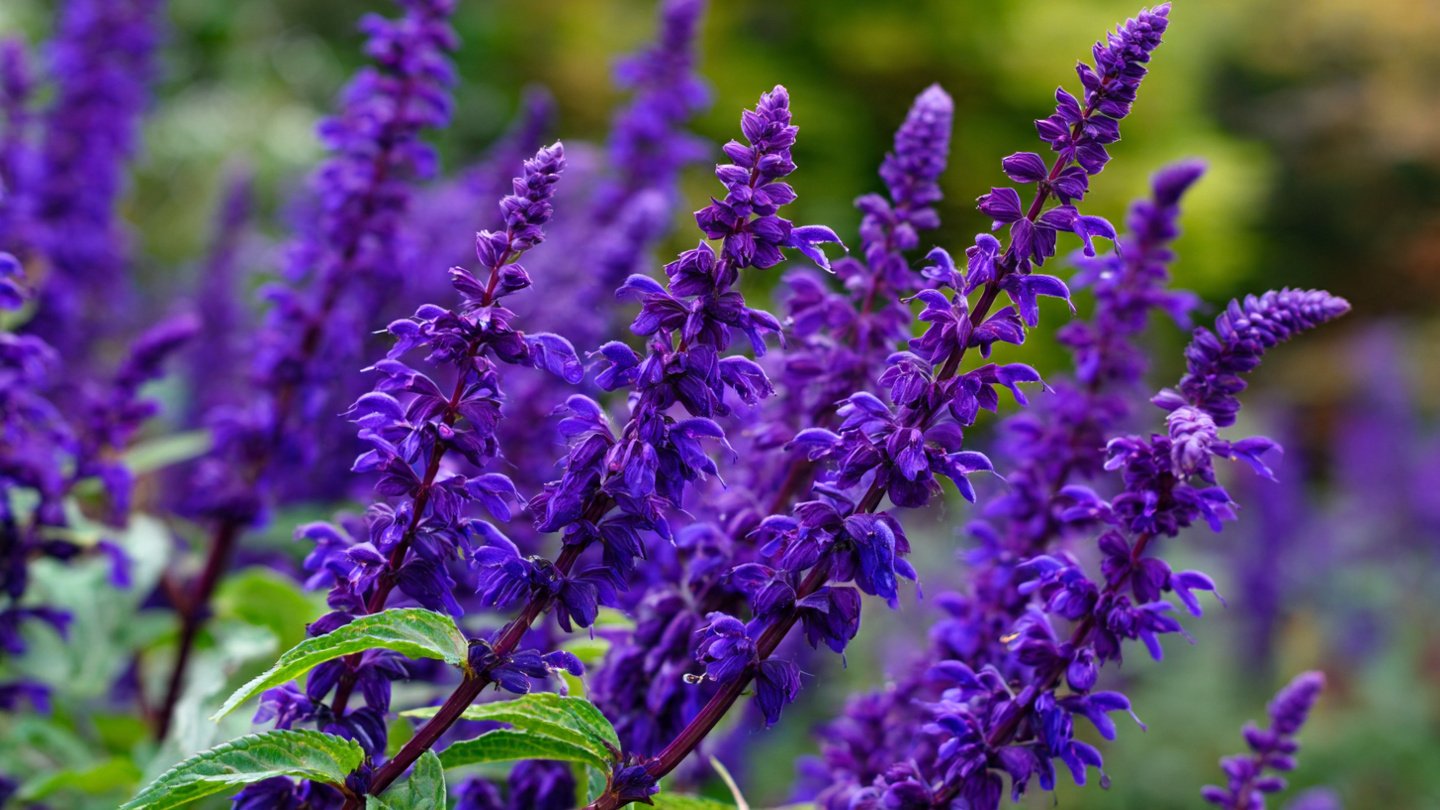
Introduction to Salvia
Salvia, commonly known as sage, is a genus of plants in the mint family that boasts over 900 species. With its vibrant flowers and aromatic foliage, salvia is a favorite among gardeners. This versatile plant offers aesthetic appeal and attracts pollinators, making it a wonderful addition to any home garden. In this guide, we will cover everything you need to know to successfully grow salvia from seeds.
Understanding Salvia Species
Latest Posts
- OnePlus Turbo 6V 5G Launched – for Gamers with 9000mAh Battery, 220MP Camera & Snapdragon 8s Gen 4
- Realme GT 8 Pro Officially Launched – 200MP Camera, 7,000mAh Battery and Snapdragon 8 Elite
- OPPO K13 Turbo 5G Launched – 7,000mAh Battery, 50MP Camera and High-Performance Chipset
- Realme 17 Pro 5G Unveiled – IP69K Certified, 200MP Camera and Massive 8600mAh Battery
- Vivo Premium Smartphone Launched – 200MP Camera, 90W Fast Charging and 16GB RAM
- POCO F8 Ultra Launched – Snapdragon Flagship Power, Bose Audio and Huge Battery
- POCO F8 Ultra Launched – Snapdragon Flagship Power, Bose Audio and Huge Battery
- OnePlus Nord 3 5G Launched – 120Hz AMOLED Display, 50MP Camera and 5,000mAh Battery
- OnePlus Nord CE4 Launched – Powerful Snapdragon 7 Gen 3, 50MP Camera and Long-Lasting Battery
- OnePlus Smartphone Revealed – Premium 5G Smartphone with 200MP Camera, 24GB RAM and 100W Fast Charging
Before diving into the planting process, it’s essential to familiarize yourself with some popular salvia species:
- Salvia officinalis (Common Sage): Aromatic and used extensively in cooking.
- Salvia nemorosa (Wood Sage): Known for its vibrant blue and purple flowers.
- Salvia splendens (Scarlet Sage): Features bright red flowers and is popular in garden beds.
- Salvia guaranitica (Brazilian Sage): A perennial with stunning blue flowers.
Each species has unique characteristics, so choose one that aligns with your garden design and climate.
Choosing the Right Seeds
When selecting salvia seeds, consider your local climate, soil type, and the species you wish to grow. It’s advisable to choose high-quality seeds from a reputable supplier. Look for seeds that are intended for your growing zone to ensure optimal germination and growth.
Preparation for Planting
1. Timing

The best time to plant salvia seeds varies by region. Generally, seeds can be sown indoors 6-8 weeks before the last frost date. If you’re planting directly in your garden, wait until after the last frost, typically in late spring.
2. Soil Requirements
Salvia thrives in well-drained soil with a pH between 6.0 and 7.0. You can enrich your garden soil with organic matter, such as compost, to improve fertility and drainage. If planting in containers, use a quality potting mix.
3. Temperature and Light
Salvia prefers warm temperatures and plenty of sunlight. Aim for at least 6-8 hours of direct sunlight per day. If starting seeds indoors, a south-facing window or grow lights can provide adequate light.
Step-by-Step Guide to Growing Salvia from Seeds
Step 1: Seed Sowing
Indoor Sowing:
-
Containers: Use seed trays or pots with drainage holes. Fill them with moist potting mix, leaving about half an inch from the top.
-
Sowing Seeds: Sow the seeds on the surface of the soil, as they require light for germination. Lightly press the seeds into the soil without covering them.
-
Watering: Mist the surface gently with water to avoid displacing the seeds. Cover the trays with a clear plastic lid or cling film to retain humidity.

Outdoor Sowing:
-
Soil Preparation: Prepare a bed in well-drained soil, removing any weeds or debris.
-
Sowing Seeds: Scatter the seeds evenly and lightly rake the soil to ensure good seed-to-soil contact.
-
Watering: Water lightly to moisten the soil without washing away the seeds.
Step 2: Germination
Germination typically takes 10-14 days under optimal conditions. Keep the soil moist but not soggy. Once seedlings emerge, remove any plastic coverings to improve air circulation.
Step 3: Thinning Seedlings
Once your seedlings have developed their first true leaves, thin them to prevent overcrowding. Keep the strongest seedlings and remove the weaker ones to ensure adequate space for growth.
Step 4: Transplanting
When seedlings have developed at least two sets of leaves and are strong enough (usually around 4-6 weeks old), they can be transplanted. If sowing indoors, harden them off by gradually introducing them to outdoor conditions over a week.
- Outdoor Transplanting: Choose a sunny spot in your garden and space the seedlings 12-18 inches apart, depending on the species.

Step 5: Care and Maintenance
Watering
Salvia prefers moderate watering. Allow the soil to dry out slightly between watering sessions. Overwatering can lead to root rot.
Fertilizing
Use a balanced, slow-release fertilizer when planting and consider additional feeding every few weeks during the growing season. However, excessive fertilizer can inhibit flowering.
Pruning
Regular pruning helps maintain shape and encourages bushier growth. Remove dead or faded flowers (deadheading) to promote new blooms.
Step 6: Pest and Disease Management
Salvia is relatively pest-resistant, but keep an eye out for aphids, spider mites, and whiteflies. Organic insecticides or insecticidal soap can help control these pests. Root rot and powdery mildew may affect salvia, so ensure proper air circulation and avoid overhead watering.
Step 7: Harvesting and Use
Once your salvia plants are mature, you can begin harvesting the leaves for culinary use or drying for storage. Regular harvesting promotes bushier growth and prevents flowering too soon.
Common Challenges
1. Germination Issues

If seeds do not germinate, check the soil moisture and ensure they are not buried too deeply. Ensure they receive sufficient light and warmth.
2. Stunted Growth
Insufficient sunlight or overcrowding can lead to stunted growth. Ensure the plants are spaced appropriately and receive at least 6-8 hours of sunlight daily.
3. Flowering Problems
If salvia plants do not flower, it may be due to over-fertilizing or lack of sunlight. Reducing fertilizer and increasing sunlight exposure can encourage blooming.
FAQs
1. When is the best time to sow salvia seeds?
The best time to sow salvia seeds indoors is 6-8 weeks before the last frost date. For outdoor sowing, wait until after the last frost in late spring.
2. Do I need to soak salvia seeds before planting?
Soaking salvia seeds is not necessary, as they require light for germination. Simply sow them on the soil surface.
3. How often should I water salvia plants?
Water salvia plants moderately, allowing the soil to dry out slightly between watering sessions. Avoid overwatering.
4. Can salvia grow in containers?

Yes, salvia can grow beautifully in containers. Ensure the pots have drainage holes and use a quality potting mix.
5. What are the best companions for salvia in the garden?
Salvia pairs well with other perennials and annuals like coneflowers, black-eyed Susans, and lavender. These combinations attract pollinators and provide vibrant color contrasts.
6. How can I preserve salvia leaves for culinary use?
Harvest salvia leaves in the morning for the best flavor, then wash and dry them. You can freeze them in ice cube trays or dry them in a cool, dark space.
7. Is salvia invasive?
Some varieties, particularly Salvia splendens, can be aggressive in certain regions. Check local guidelines for specific species’ invasiveness.
8. Can salvia be grown year-round?
In warmer climates (Zones 8-11), salvia may be grown year-round. In cooler zones, it is usually treated as an annual unless it can be overwintered indoors.
Conclusion
Growing salvia from seeds is a rewarding experience, whether you’re a novice gardener or seasoned green thumb. With the right preparation, care, and knowledge of the species, you can enjoy beautiful blooms and aromatic foliage in your home garden. As you nurture your salvia plants, you’ll not only create a stunning visual display but also provide a vital habitat for local pollinators. Happy gardening!
Leave a Reply