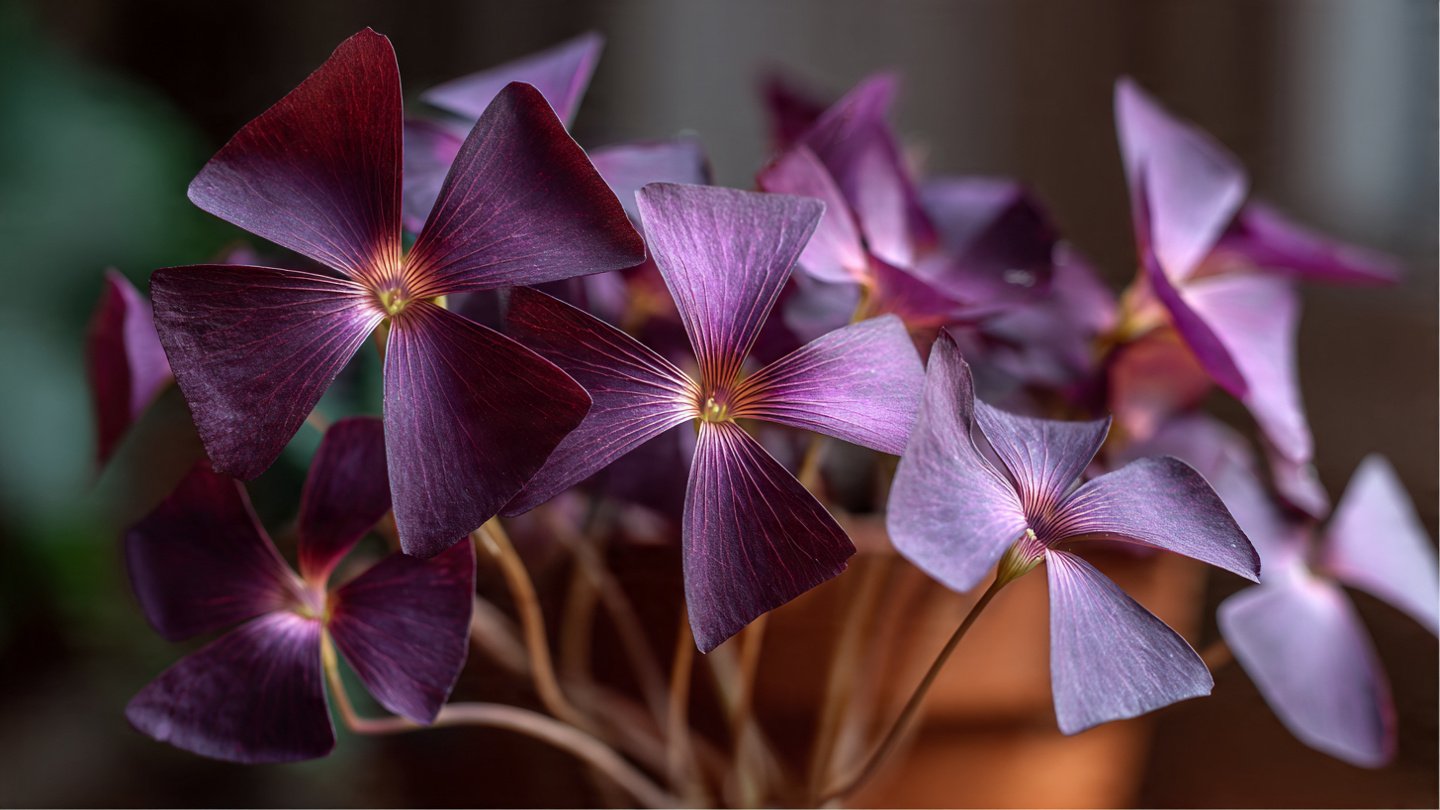
Oxalis triangularis, commonly known as the purple shamrock or love plant, is a striking perennial that combines unique foliage with charming blooms. Native to South America, this intriguing plant has captivated gardeners with its delightful purple leaves and delicate white to pale pink flowers. Growing Oxalis triangularis successfully in your home garden can be a rewarding endeavor, blending beauty with easy maintenance. In this guide, we’ll cover everything you need to know about cultivating this captivating plant, including its requirements, propagation methods, potential problems, and tips on care.
Understanding Oxalis Triangularis
Botanical Characteristics
Latest Posts
- OnePlus Turbo 6V 5G Launched – for Gamers with 9000mAh Battery, 220MP Camera & Snapdragon 8s Gen 4
- Realme GT 8 Pro Officially Launched – 200MP Camera, 7,000mAh Battery and Snapdragon 8 Elite
- OPPO K13 Turbo 5G Launched – 7,000mAh Battery, 50MP Camera and High-Performance Chipset
- Realme 17 Pro 5G Unveiled – IP69K Certified, 200MP Camera and Massive 8600mAh Battery
- Vivo Premium Smartphone Launched – 200MP Camera, 90W Fast Charging and 16GB RAM
- POCO F8 Ultra Launched – Snapdragon Flagship Power, Bose Audio and Huge Battery
- POCO F8 Ultra Launched – Snapdragon Flagship Power, Bose Audio and Huge Battery
- OnePlus Nord 3 5G Launched – 120Hz AMOLED Display, 50MP Camera and 5,000mAh Battery
- OnePlus Nord CE4 Launched – Powerful Snapdragon 7 Gen 3, 50MP Camera and Long-Lasting Battery
- OnePlus Smartphone Revealed – Premium 5G Smartphone with 200MP Camera, 24GB RAM and 100W Fast Charging
- Family: Oxalidaceae
- Type: Herbaceous perennial
- Height: Typically grows between 12 to 18 inches
- Foliage: Clover-like, triangular leaves that are deep purple on top and green underneath
- Flowers: White to pale pink, generally blooming from spring to early summer
Habitat and Growth Conditions
Oxalis triangularis prefers well-draining soil, indirect sunlight, and moderate humidity. It thrives in USDA hardiness zones 6 to 9 but can be grown as an indoor plant in virtually any climate. When planting outside in colder regions, consider using pots so you can bring the plants indoors during winter.
Getting Started with Oxalis Triangularis

Selecting a Location
Choose a spot that provides bright, indirect sunlight. Direct exposure to harsh afternoon sun may scorch the leaves, so consider a location near a north or east-facing window if growing indoors. For outdoor gardens, partial shade is ideal.
Soil Requirements
Oxalis triangularis thrives in rich, well-draining soil. A mixture of potting soil and perlite or sand works well. Aim for a pH level between 6.0 and 7.0. Avoid overly compacted soil to ensure proper drainage and root development.
Planting Techniques
- Container Planting: Use pots with drainage holes. Fill with the soil mix, ensuring the pot is not too deep. Plant the tubers about 1-2 inches deep, with the pointed end facing upwards.
- Garden Planting: If planting directly in the garden, prepare the ground by loosening it and mixing it with compost. Follow the same depth guidelines for tubers.
Watering Practices
Regular but moderate watering is key. Allow the top inch of soil to dry out between watering. Overwatering can lead to root rot, while underwatering may cause the plant to wilt. During the dormant season (typically late winter), reduce watering significantly.
Care and Maintenance
Fertilization

Feed your Oxalis triangularis with a balanced, water-soluble fertilizer every few weeks during the growing season (spring and summer). A diluted solution of 10-10-10 fertilizer is ideal. Avoid fertilization during fall and winter when the plant is dormant.
Pruning
Regularly remove yellow or dead leaves to encourage new growth and maintain the plant’s appearance. Pruning should occur during the active growth phase, just before flowering.
Pest and Disease Management
Oxalis triangularis is relatively resistant to pests. However, be on the lookout for:
- Aphids: These tiny insects can be removed with a strong stream of water or insecticidal soap.
- Spider Mites: Check for fine webs on the undersides of leaves. Increase humidity around the plant and treat with miticides if infested.
Propagation Methods
From Bulbs
- Separation: Once the plant is dormant, carefully dig up the tubers. Gently separate them, ensuring each has roots attached.
- Replanting: Store unused tubers in a dry location until ready to plant. When the risk of frost has passed, replant them in fresh soil.

From Seeds
While less common, Oxalis triangularis can also be propagated from seeds. However, this method requires patience, as flowers must be fertilized, and seeds may take time to germinate.
Common Challenges in Cultivation
Dormancy
Oxalis triangularis enters a dormant phase during the fall and winter. Leaves may yellow and die back; this is normal. Reduce watering and allow the plant to go dormant naturally for the next season of growth.
Temperature Fluctuations
Maintain a stable environment; sudden changes in temperature can stress the plant. Ideal temperatures range from 60°F to 75°F (15°C to 24°C).
Overwatering
Ensure proper drainage to avoid root rot. Always check the soil moisture before watering.
Enjoying Your Oxalis Triangularis

Oxalis triangularis is not just a beautiful plant; it can also be a lovely addition to your home. Whether grown in a garden or as an indoor potted plant, its charm and vibrant color will brighten any space.
Display Ideas
- Indoor Settings: Place pots on windowsills or as a centerpiece on dining tables.
- Garden Borders: Use them as ground cover in shaded garden borders or in combination with other perennials.
FAQs
Q1: Can Oxalis triangularis tolerate low light conditions?
- A: While it can survive in low light, optimal growth and color vibrancy occur with bright, indirect light.
Q2: How often should I water my Oxalis triangularis?
- A: Water when the top inch of soil feels dry. Generally, this means watering once a week during growth periods and less frequently during dormancy.

Q3: Does Oxalis triangularis go dormant?
- A: Yes, typically in late fall to winter. The leaves may yellow and die back during this time.
Q4: Can I grow Oxalis triangularis outside in cold climates?
- A: Yes, it can be grown outside in temperate zones (6-9), but you may need to bring pots indoors during colder months.
Q5: How much space should I provide between plants?
- A: Space them about 12 inches apart to ensure they have enough room to grow without overcrowding.
Conclusion
Growing Oxalis triangularis can be an enriching experience for gardeners of all levels. With its distinctive foliage, elegant blooms, and straightforward care requirements, this plant is an excellent addition to any home garden. By following the guidelines provided in this guide, you can ensure your Oxalis thrives and continues to bring beauty and joy to your space for years to come. Happy gardening!
Leave a Reply