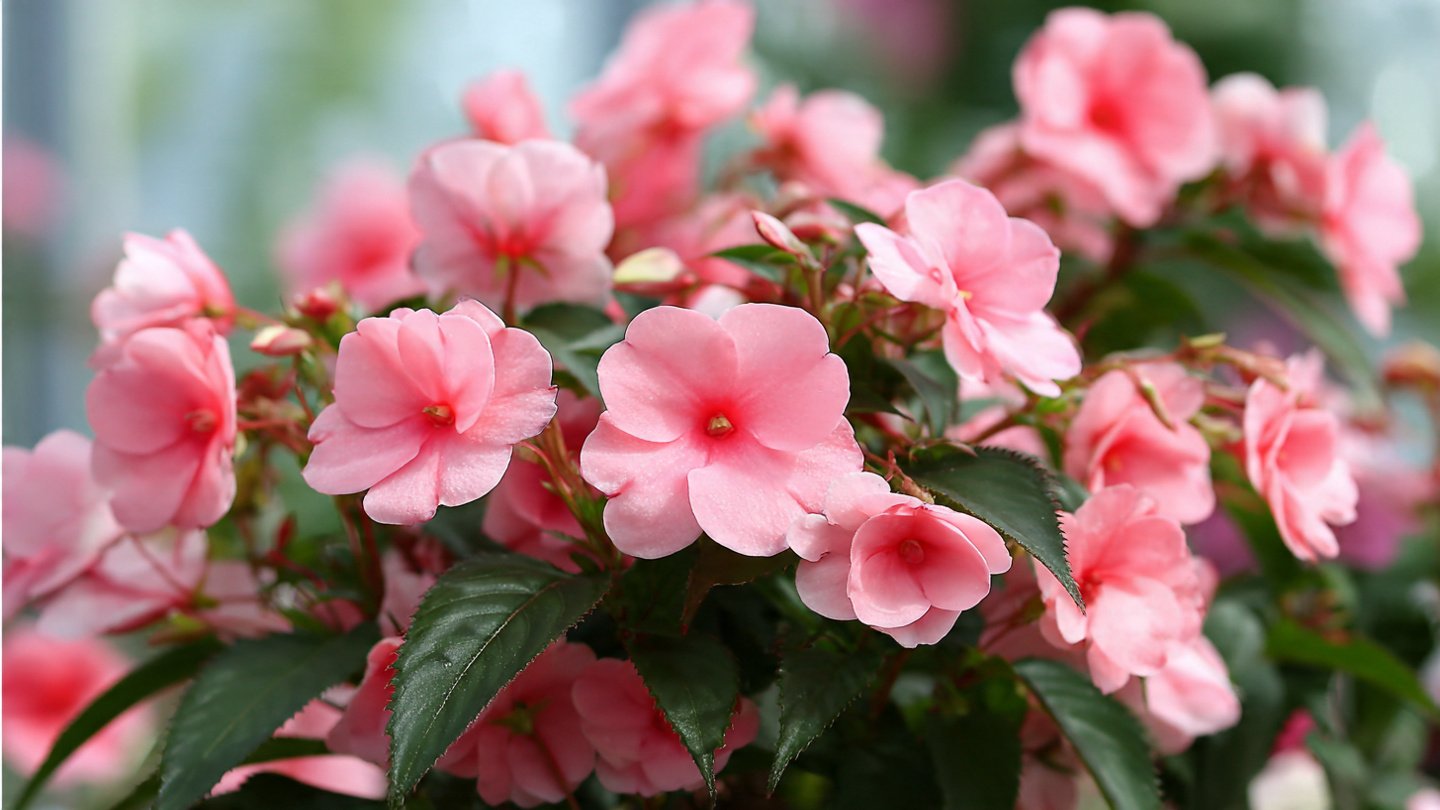
Impatiens are beloved for their vibrant blooms and ability to thrive in low light, making them a popular choice for indoor gardening. With the right conditions, you can cultivate these beautiful flowers indoors, ensuring maximum blooming potential. This comprehensive guide will navigate you through various aspects of growing impatiens indoors, from selecting the right variety to care and maintenance.
Understanding Impatiens
What Are Impatiens?
Latest Posts
- OnePlus Turbo 6V 5G Launched – for Gamers with 9000mAh Battery, 220MP Camera & Snapdragon 8s Gen 4
- Realme GT 8 Pro Officially Launched – 200MP Camera, 7,000mAh Battery and Snapdragon 8 Elite
- OPPO K13 Turbo 5G Launched – 7,000mAh Battery, 50MP Camera and High-Performance Chipset
- Realme 17 Pro 5G Unveiled – IP69K Certified, 200MP Camera and Massive 8600mAh Battery
- Vivo Premium Smartphone Launched – 200MP Camera, 90W Fast Charging and 16GB RAM
- POCO F8 Ultra Launched – Snapdragon Flagship Power, Bose Audio and Huge Battery
- POCO F8 Ultra Launched – Snapdragon Flagship Power, Bose Audio and Huge Battery
- OnePlus Nord 3 5G Launched – 120Hz AMOLED Display, 50MP Camera and 5,000mAh Battery
- OnePlus Nord CE4 Launched – Powerful Snapdragon 7 Gen 3, 50MP Camera and Long-Lasting Battery
- OnePlus Smartphone Revealed – Premium 5G Smartphone with 200MP Camera, 24GB RAM and 100W Fast Charging
Impatiens are flowering plants in the family Balsaminaceae. Known for their colorful blooms, they primarily thrive in shaded or partially shaded areas, which makes them ideal for indoor settings. They can produce flowers in a variety of colors, including red, pink, white, and purple, providing a cheerful ambiance.
Varieties of Impatiens
There are several varieties of impatiens, including:
- Busy Lizzie (Impatiens walleriana): The most common garden variety, great for borders and containers.
- New Guinea Impatiens (Impatiens hawkeri): Known for their wider leaves and larger blooms, these are more sun-tolerant.
- SunPatiens: A hybrid developed for improved sun tolerance while retaining some of the characteristics of traditional impatiens.
Selecting the Right Variety for Indoor Growth
Choosing the Right Variety
For indoor gardening, Busy Lizzie and New Guinea impatiens are excellent choices due to their adaptability to container growth and indoor light conditions. New Guinea impatiens are particularly resilient and can tolerate more light, making them suitable for sunlit rooms.
Purchasing Healthy Plants
When selecting impatiens for indoor growth, look for healthy plants with vibrant foliage and no signs of disease or pests. If purchasing seeds, opt for high-quality, reputable brands.
Creating the Perfect Indoor Environment
Light Requirements

Impatiens thrive in bright, indirect light. Foundationally, they prefer around 12-14 hours of light a day, especially during the blooming season.
- Indirect Light: Place your plants near east or north-facing windows to avoid harsh sunlight.
- Artificial Lighting: If natural light is insufficient, consider using grow lights with a spectrum appropriate for flowering plants.
Temperature and Humidity
Impatiens prefer a warm environment, ideally between 65°F to 75°F (18°C to 24°C).
- Temperature Monitors: Use thermometers to ensure your indoor environment remains stable.
- Humidity Levels: Impatiens require high humidity, ideally between 50%-60%. Use a humidifier or place water trays near the plants to maintain humidity.
Soil and Container Selection
Choosing the right soil and container is essential for encouraging maximum blooming.
Soil
A well-draining, nutrient-rich potting mix is essential.
- Suggested Mix: Combine standard potting soil with perlite or vermiculite to improve drainage.
- pH Balance: Aim for a slightly acidic pH level (around 6.0 to 6.5).
Containers
Select pots with drainage holes to prevent waterlogging, facilitating proper drainage.

- Size Matters: Ensure the container is large enough to accommodate the root system but not excessively oversized, as this can retain too much moisture.
Watering and Fertilizing Impatiens
Watering
Impatiens prefer consistently moist but not soggy soil.
- Watering Schedule: Check the top inch of soil; if it feels dry, it’s time to water.
- Water Quality: Use room-temperature water, avoiding chlorinated tap water if possible.
Fertilizing
To promote lush growth and vibrant blooms, fertilizing is crucial.
- Fertilizer Type: Use a balanced, water-soluble fertilizer every 4-6 weeks during the growing season.
- Dilution: Follow the instructions to avoid burning the roots; dilute the fertilizer to half strength if your plants are still young.
Pruning and Deadheading for Better Blooms
Pruning
Regular pruning encourages bushier growth and results in more blooms.
- When to Prune: Begin pruning early in the growing season when the plants show new growth.
- How to Prune: Trim back leggy stems and remove any yellowing leaves.
Deadheading

Removing spent flowers will encourage your plants to produce more blooms.
- Best Practices: Pinch off dead blooms at their base, being careful not to damage the surrounding foliage.
Pest and Disease Management
Common Pests
Indoor impatiens can suffer from various pests, including:
- Aphids: Small, sap-sucking insects that can weaken your plants. Use insecticidal soap or neem oil to manage infestations.
- Spider Mites: Look for fine webbing on leaves. Increase humidity and use spray to wash them off.
Diseases
Common diseases that may affect impatiens include:
- Downy Mildew: Prevent by ensuring good air circulation and avoiding overhead watering.
- Root Rot: Caused by overwatering; make sure soil drains appropriately.
Encouraging Maximum Blooming Potential
Optimal Conditions for Blooming
- Proper Lighting: Ensure access to bright, indirect light.
- Regular Watering: Keep the soil consistently moist without oversaturation.
- Fertilization: Regularly feed with a balanced fertilizer during the growing season.

Seasonal Changes
Be aware of the seasonal changes that may affect your impatiens.
- Winter Care: During winter, reduce watering slightly but maintain humidity levels as heating can dry the air.
Troubleshooting Common Issues
Why Aren’t My Impatiens Blooming?
If your impatiens aren’t blooming, consider:
- Light Levels: Check if they’re receiving enough indirect light.
- Nutrient Deficiency: Assess your fertilization routine.
- Overcrowding: Give them adequate space to grow.
Yellowing Leaves
If leaves are turning yellow, it could be due to:
- Overwatering: Adjust your watering routine.
- Nutrient Deficiency: Test the soil and amend if necessary.
FAQs
1. Can I grow impatiens indoors year-round?
Yes, with the right conditions—adequate light, temperature, and humidity—you can successfully grow impatiens indoors all year round.

2. How often should I water my indoor impatiens?
Check the top inch of soil; if it feels dry, it’s time to water. This usually means watering every 3-4 days, but it can vary based on environmental conditions.
3. What type of fertilizer is best for indoor impatiens?
A balanced, water-soluble fertilizer with equal parts nitrogen, phosphorus, and potassium is optimal, applied every 4-6 weeks during the growing season.
4. Can impatiens be propagated?
Yes, impatiens can be propagated from cuttings. Take healthy stem cuttings, place them in water or a moist potting mix, and they should root in a few weeks.
5. Why are my impatiens drooping?
Drooping can indicate either overwatering (leading to root rot) or underwatering. Assess the soil moisture and adjust your watering schedule.
6. Are there any diseases specifically affecting indoor impatiens?
Yes, root rot and downy mildew are the most common diseases affecting indoor impatiens. Ensuring proper watering practices and air circulation can help prevent these issues.
Conclusion
Growing impatiens indoors can bring a burst of color and vibrancy to any space. With attention to light, temperature, humidity, watering, and fertilization, you can enjoy the maximum blooming potential of these lovely plants. Overcome common challenges by understanding their needs, and watch as your indoor garden flourishes, creating a soothing atmosphere in your home. Happy gardening!
Leave a Reply