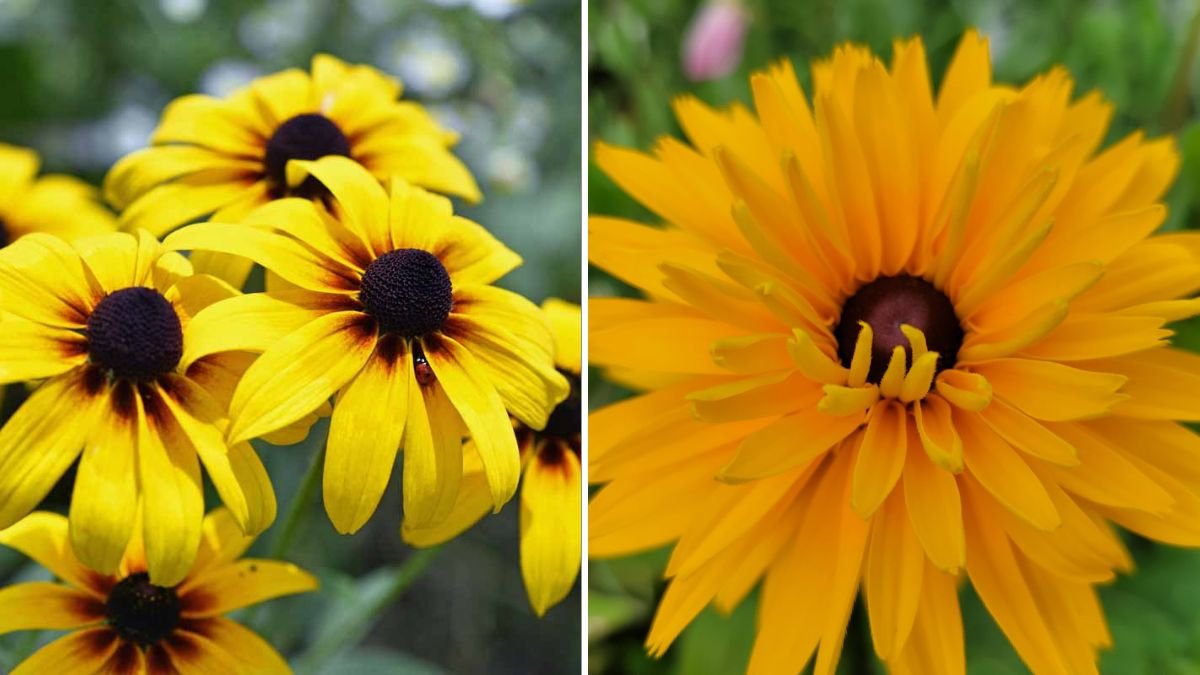
Rudbeckia, commonly known as Black-Eyed Susans, are vibrant, cheerful flowers that bring a splash of color to gardens and landscapes. Known for their striking yellow petals and dark brown centers, these perennial and annual plants are easy to grow from seeds. Whether you’re a seasoned gardener or a beginner, this guide will walk you through the steps to successfully cultivate Rudbeckia from seeds, ensuring you enjoy stunning blooms all summer long.
Understanding Rudbeckia
Varieties of Rudbeckia
Latest Posts
- OnePlus Turbo 6V 5G Launched – for Gamers with 9000mAh Battery, 220MP Camera & Snapdragon 8s Gen 4
- Realme GT 8 Pro Officially Launched – 200MP Camera, 7,000mAh Battery and Snapdragon 8 Elite
- OPPO K13 Turbo 5G Launched – 7,000mAh Battery, 50MP Camera and High-Performance Chipset
- Realme 17 Pro 5G Unveiled – IP69K Certified, 200MP Camera and Massive 8600mAh Battery
- Vivo Premium Smartphone Launched – 200MP Camera, 90W Fast Charging and 16GB RAM
- POCO F8 Ultra Launched – Snapdragon Flagship Power, Bose Audio and Huge Battery
- POCO F8 Ultra Launched – Snapdragon Flagship Power, Bose Audio and Huge Battery
- OnePlus Nord 3 5G Launched – 120Hz AMOLED Display, 50MP Camera and 5,000mAh Battery
- OnePlus Nord CE4 Launched – Powerful Snapdragon 7 Gen 3, 50MP Camera and Long-Lasting Battery
- OnePlus Smartphone Revealed – Premium 5G Smartphone with 200MP Camera, 24GB RAM and 100W Fast Charging
Before diving into growing them from seeds, it’s essential to understand the various species of Rudbeckia:
- Rudbeckia hirta – Often grown as an annual, this species has large, bright yellow flowers and is known for its hardiness.
- Rudbeckia fulgida – A perennial variety perfect for borders and butterfly gardens, producing blooms over a long period.
- Rudbeckia triloba – This species has multi-branched stems and smaller flowers; it’s often treated as a biennial.
- Rudbeckia subtomentosa – Known as the sweet black-eyed Susan, ideal for naturalizing due to its drought tolerance.
Benefits of Growing Rudbeckia
- Long-Blooming: Rudbeckias bloom from early summer to frost.
- Low Maintenance: They thrive in various soil types and conditions.
- Wildlife Friendly: Attracts bees, butterflies, and other pollinators.
- Versatile: Suitable for garden beds, borders, and containers.
Preparing for Planting
Choosing the Right Time
Timing is key when it comes to sowing Rudbeckia seeds. They can be planted either in the spring after the last frost or fall for natural winter stratification.

- Spring Planting: Start seeds indoors 6-8 weeks before the last frost date.
- Fall Planting: Sow seeds directly into the garden bed, allowing natural cold to help with germination.
Selecting the Location
Rudbeckias prefer full sun but can tolerate partial shade. Choose a location that receives at least 6-8 hours of sunlight daily. Ensure the site has well-drained soil to prevent root rot.
Soil Preparation
Rudbeckias thrive in average to rich soil with a pH between 6.0 and 7.0. To prepare the soil:
- Clear the area: Remove weeds, rocks, and debris.
- Amend the soil: Add compost or well-rotted manure to enhance fertility.
- Till the soil: Aerate the soil to a depth of about 12 inches.
Starting Seeds
Indoor Seed Starting
-
Materials Needed:
- Seed trays or biodegradable pots
- Seed starting mix (light and sterile)
- Plastic wrap or humidity dome

-
Sowing the Seeds:
- Fill trays with the seed starting mix, leaving ½ inch from the top.
- Moisten the mix lightly.
- Scatter seeds on top and cover with a thin layer of soil (about 1/4 inch), as they need light for germination.
- Cover with plastic wrap or a humidity dome to maintain moisture.
-
Germination:
- Place in a warm location (65-75°F).
- Keep the soil moist but not soggy.
- Germination usually occurs within 7-14 days.
Direct Sowing
- Prepare the Soil: Follow the soil preparation steps mentioned earlier.
- Sowing Seeds:
- Plant seeds about 1/4 inch deep in rows or clusters, spacing them 12-18 inches apart.
- Water gently to settle the seeds.
- Aftercare: Keep the area moist until seeds germinate.

Transplanting Seedlings
When to Transplant
Once seedlings develop two sets of true leaves and are about 3-4 inches tall, they’re ready for transplanting. If planting outdoors, ensure the risk of frost has passed.
Hardening Off
In preparation for outdoor life, harden off seedlings by placing them outside for a few hours each day, gradually increasing the time over a week.
Transplanting Steps
- Prepare the Garden Bed: Create holes slightly larger than the seedling’s root ball.
- Transplanting: Carefully remove seedlings from their trays, keeping the root system intact. Place in holes and fill with soil.
- Watering: Water thoroughly after transplanting to eliminate air pockets.
Caring for Rudbeckia
Watering
Rudbeckias require regular watering, especially during dry spells. However, they are drought-tolerant once established. Water early in the morning to reduce evaporation.
Fertilizing
Use a balanced fertilizer in the early spring to promote growth. Avoid excessive fertilization, as it can lead to fewer flowers and more foliage.
Pruning and Deadheading

Deadhead spent blooms to encourage further flowering and maintain a tidy appearance. Prune back dead or yellowing foliage in the fall to prepare for winter.
Pest and Disease Management
Rudbeckia is generally pest-resistant but may attract aphids or spider mites. If pests appear, use insecticidal soap or neem oil. Additionally, good air circulation helps prevent fungal diseases.
Harvesting Seeds
Once Rudbeckia plants have flowered, you can harvest seeds for future planting:
- Wait until the seed heads turn brown and dry.
- Cut off the seed heads and place them in a paper bag.
- Store in a cool, dry place until you’re ready to plant again.
Frequently Asked Questions (FAQs)
Q1: How long does it take for Rudbeckia seeds to germinate?
A1: Rudbeckia seeds usually germinate within 7-14 days, depending on temperature and moisture levels.
Q2: Can Rudbeckia survive the winter?
A2: Many Rudbeckia varieties are perennials and can survive winter if properly cared for. Mulching in late fall can help protect the roots.
Q3: Should I cover seeds with soil when planting?
A3: Yes, cover Rudbeckia seeds with a thin layer of soil (about 1/4 inch) as they need light for germination.

Q4: How often should I water Rudbeckia?
A4: Water deeply regularly, especially in dry spells, but avoid overwatering. Once established, they can tolerate dry conditions.
Q5: What pests affect Rudbeckia?
A5: Common pests include aphids and spider mites. Use insecticidal soap for control. Good air circulation helps prevent fungal diseases.
Q6: Can I grow Rudbeckia in pots?
A6: Yes! Choose a large pot (at least 12 inches deep) with good drainage, and ensure it receives plenty of sunlight.
Q7: What conditions do Rudbeckias thrive in?
A7: They prefer full sun, well-draining soil, and can flourish in average garden conditions.
Conclusion
With their vibrant colors and resilience, Rudbeckia plants are a fantastic addition to any garden. Growing them from seeds is not only economical but also gives you the satisfaction of nurturing these beautiful flowers from start to finish. Whether you choose to start the seeds indoors or sow them directly into your garden, following this comprehensive guide will set you up for blooming success. Enjoy the beauty of Black-Eyed Susans and the pollinators they attract, and embrace the joy of gardening as you watch your efforts yield stunning summer blooms!
Leave a Reply