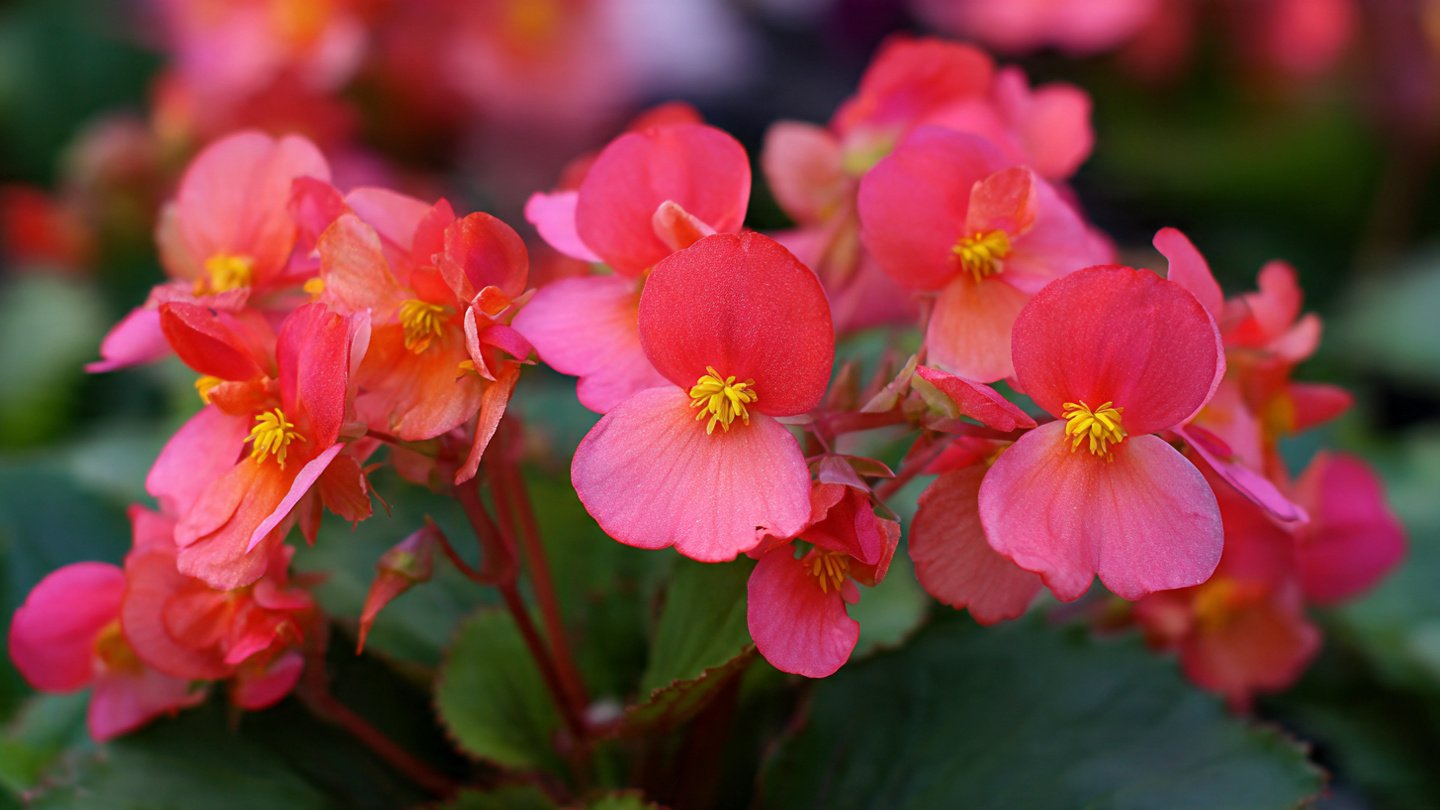
Busy Lizzie flowers, known scientifically as Impatiens walleriana, are a beloved choice among gardeners for their vibrant colors and ability to thrive in shady spots. These hardy annuals provide a burst of color from spring until the first frosts, making them ideal for borders, containers, and hanging baskets. In this article, we’ll explore how to successfully grow Busy Lizzie flowers in your home garden, including tips on planting, care, and common problems.
Choosing the Right Location
Light Conditions
Busy Lizzie flowers prefer partial to full shade, which makes them perfect for gardens where sunlight is limited. Too much direct sunlight can scorch their leaves, leading to stunted growth and a less vibrant appearance. Aim for a location that receives morning sunlight but is shaded during the hottest parts of the day. If you live in a particularly hot climate, some shade is crucial.
Soil Type
These flowers thrive in well-draining, fertile soil. A soil pH of 6.0 to 7.0 is optimal for their growth. If your garden soil is heavy or clay-like, consider amending it with compost or well-rotted manure to improve drainage and fertility. You can conduct a soil test to determine its pH and nutrient content.
Planting Busy Lizzie Flowers
Timing
In most regions, Busy Lizzie flowers are planted in the spring, after the last frost date. This ensures they have a full growing season to establish their roots and bloom vibrantly. If you live in a warmer climate, you can start planting earlier in spring.
From Seed vs. Transplants
Busy Lizzie flowers can be grown from seeds, but many gardeners prefer to buy young plants or transplants from local nurseries. When starting from seeds, begin them indoors 8-10 weeks before the last frost date. Use seed trays filled with seed-starting mix. Once the seedlings have two sets of true leaves, transplant them into larger pots before moving them outdoors.
Latest Posts
- OnePlus Turbo 6V 5G Launched – for Gamers with 9000mAh Battery, 220MP Camera & Snapdragon 8s Gen 4
- Realme GT 8 Pro Officially Launched – 200MP Camera, 7,000mAh Battery and Snapdragon 8 Elite
- OPPO K13 Turbo 5G Launched – 7,000mAh Battery, 50MP Camera and High-Performance Chipset
- Realme 17 Pro 5G Unveiled – IP69K Certified, 200MP Camera and Massive 8600mAh Battery
- Vivo Premium Smartphone Launched – 200MP Camera, 90W Fast Charging and 16GB RAM
- POCO F8 Ultra Launched – Snapdragon Flagship Power, Bose Audio and Huge Battery
- POCO F8 Ultra Launched – Snapdragon Flagship Power, Bose Audio and Huge Battery
- OnePlus Nord 3 5G Launched – 120Hz AMOLED Display, 50MP Camera and 5,000mAh Battery
- OnePlus Nord CE4 Launched – Powerful Snapdragon 7 Gen 3, 50MP Camera and Long-Lasting Battery
- OnePlus Smartphone Revealed – Premium 5G Smartphone with 200MP Camera, 24GB RAM and 100W Fast Charging

When using transplants, choose healthy, well-branched plants with no signs of disease. Space them 10-12 inches apart to allow for good air circulation as they grow.
Planting Technique
- Prepare the Soil: Loosen the soil and mix in compost.
- Dig Holes: Make holes slightly larger than the root balls of the plants or seedlings.
- Position the Plants: Place the plant in the hole, ensuring that the top of the root ball is level with the soil surface.
- Fill and Water: Backfill with soil and water thoroughly to remove air pockets.
Watering and Fertilizing
Watering
Busy Lizzie flowers enjoy consistent moisture but are susceptible to root rot if left in standing water. Water regularly, especially during hot and dry spells, allowing the top inch of soil to dry out between waterings. Using mulch can help retain soil moisture and keep the roots cool.
Fertilization
Feed your Busy Lizzies with a balanced, water-soluble fertilizer every few weeks during the growing season. Look for a product with an N-P-K ratio of 20-20-20 or similar. Too much nitrogen can lead to lush foliage but fewer blooms, so keep fertilization balanced.
Pruning and Deadheading
Regular pruning and deadheading are essential to maintain the vigor and appearance of your Busy Lizzies. Remove spent flowers and any yellowing or damaged leaves to encourage new growth and prevent disease. Lightly pinch back the tips of the stems every few weeks to promote bushier, fuller plants.
Pest and Disease Management
Common Pests
- Aphids: These small insects can cluster on the undersides of leaves. Control them with insecticidal soap or neem oil.
- Whiteflies: Another sap-sucking pest, whiteflies can be managed using sticky traps or insecticidal treatments.
- Slugs and Snails: These pests can munch on leaves, especially in damp conditions. Hand-pick them or use bait to control their population.
Diseases
Busy Lizzies are generally disease resistant but can suffer from:

- Downy Mildew: Symptoms include yellowing leaves and a grayish fuzz on the underside. Ensure good air circulation, avoid overhead watering, and remove affected plants.
- Root Rot: This condition occurs when soil is continually wet. Allow the soil to dry out between waterings and avoid planting in very heavy soils.
Overwintering Busy Lizzie Flowers
In regions where winters are mild, you can try to keep Busy Lizzies alive by bringing them indoors before the first frost. Trim them back and place them in a sunny window or greenhouse.
In colder climates, it’s better to treat Busy Lizzies as annuals, removing them once the first frost arrives. You can start fresh each spring.
Creative Uses for Busy Lizzie Flowers
Containers and Hanging Baskets
Busy Lizzies thrive in containers and hanging baskets, making them great for patios and balconies. Be sure to use a high-quality potting mix and provide adequate drainage. They pair well with other shade-loving plants, such as ferns or coleus.
Borders and Edges
Planting Busy Lizzies as a border along walkways or garden beds provides a colorful frame to your landscape. An arrangement of different colored Busy Lizzies creates a stunning visual effect while filling in shady spots.
Mixed Plantings
Combine Busy Lizzies with other annuals and perennials to create an eye-catching garden. Consider plants like begonias, impatiens, or caladiums. The varied textures and colors will enhance your garden’s appeal.

FAQs
1. How much sunlight do Busy Lizzie flowers need?
Busy Lizzie flowers thrive in partial to full shade, ideally getting morning sunlight but protected from hot afternoon sun.
2. Can I grow Busy Lizzie flowers in pots?
Yes, Busy Lizzie flowers do very well in pots and containers, just ensure they have good drainage and are placed in a shaded area.
3. How often should I water my Busy Lizzie flowers?
Water them regularly, especially in dry periods, allowing the top inch of soil to dry out between waterings.
4. Do I need to fertilize Busy Lizzie flowers?
Yes, use a balanced, water-soluble fertilizer every few weeks during the growing season to encourage healthy growth and blooming.
5. What should I do if my Busy Lizzie flowers are getting pests?
If you notice pests like aphids or whiteflies, treat them with insecticidal soap or neem oil. Regular monitoring can help prevent infestations.

6. Can I save Busy Lizzie flowers for next year?
In mild climates, you can overwinter them indoors; however, in colder areas, it’s best to treat them as annuals and replant each spring.
7. What colors do Busy Lizzie flowers come in?
Busy Lizzie flowers come in a range of colors including pink, red, white, purple, and shades of orange.
8. What is downy mildew, and how can I prevent it?
Downy mildew is a fungal disease causing yellowing leaves and fuzzy growth on the undersides. You can prevent it by ensuring good air circulation and watering at the soil level rather than overhead.
9. Are Busy Lizzie flowers toxic to pets?
Busy Lizzie flowers are generally non-toxic, but it’s best to prevent pets from chewing on any plants as a precaution.
10. Why are my Busy Lizzie flowers not blooming?
If your Busy Lizzie flowers aren’t blooming, they may be getting too much nitrogen fertilizer, which promotes foliage growth over flowers. Ensure proper fertilization and check for adequate light.

Conclusion
Growing Busy Lizzie flowers can bring a vibrant splash of color and joy to your garden, even in shady areas where other plants might struggle. By following the tips outlined in this guide regarding location, soil, watering, and pest management, you can cultivate stunning displays of these beautiful flowers. With proper care, you’ll enjoy their beauty from spring until frost, making them a delightful addition to any home garden. Happy gardening!
Leave a Reply