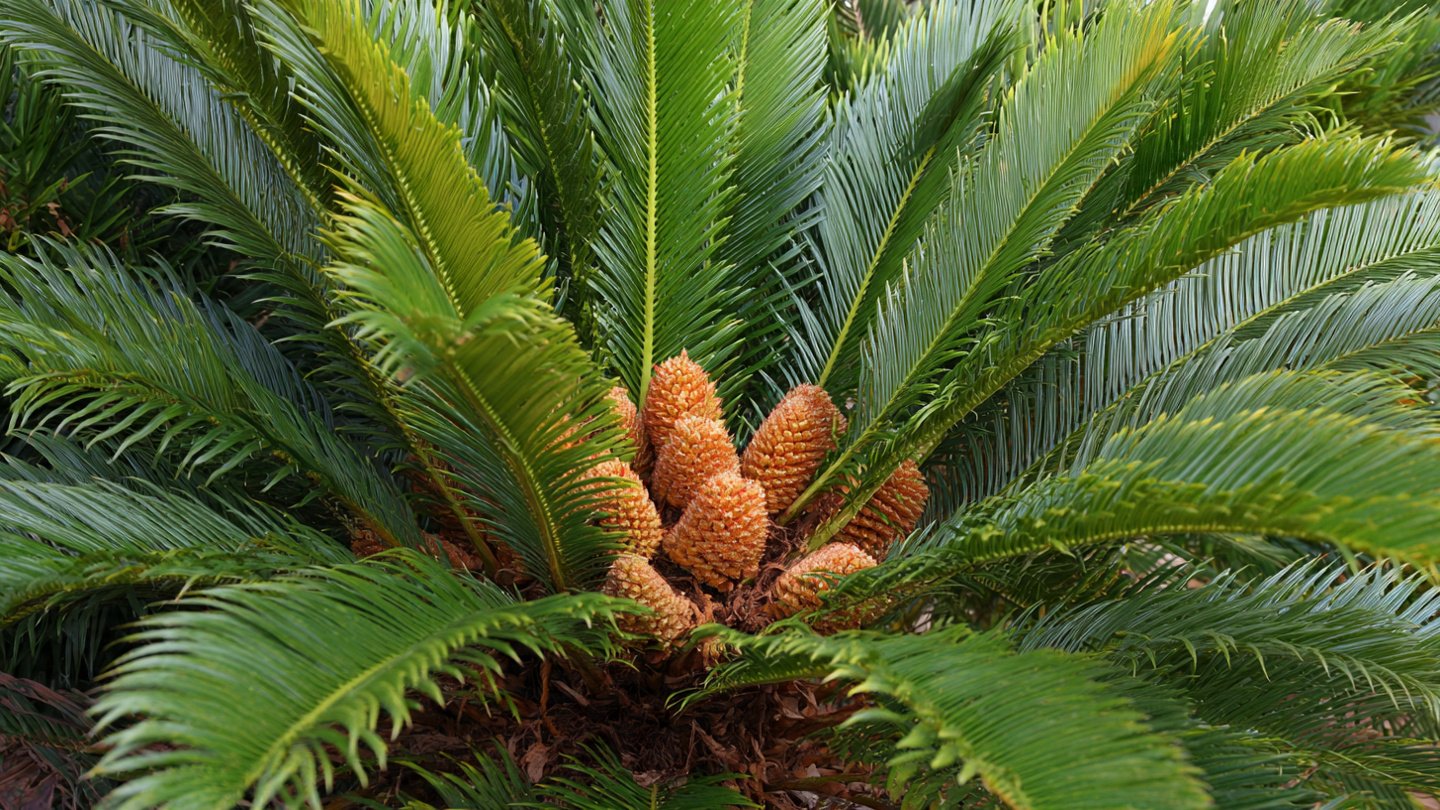
The Cycas sago palm, often referred to simply as the sago palm, is a stunning and versatile plant that can enhance any indoor or outdoor space. With its unique appearance and striking fronds, it’s no wonder that this cycads species has become a favorite among gardeners and interior decorators. In this article, we’ll explore the best tips and techniques for successfully growing Cycas sago palm, ensuring that your plants not only thrive but also serve as beautiful decorative displays.
Understanding Cycas Sago Palm
Botanical Overview
The Cycas sago is not a true palm despite its common name. It belongs to the Cycadaceae family and is a part of the group of seed plants known as cycads. Originating from the subtropical and tropical regions of Japan, this plant boasts a robust trunk topped with a rosette of finely divided, evergreen leaves.
Characteristics
- Size: Typically, the Cycas sago palm grows to about 3-10 feet tall, depending on the environment.
- Leaves: The leaves are glossy and dark green, growing in a circular pattern that can reach up to 5 feet in length.
- Reproductive Features: The plant is dioecious, meaning it has male and female reproductive structures. Male plants produce cones, while female plants produce seeds.
Understanding these basic characteristics is essential for proper care and successful cultivation.
Growing Conditions
Climate Requirements
Cycas sago is best suited for USDA hardiness zones 8-10. Optimal growth occurs in warm, humid conditions, but the plant can tolerate some degree of drought. Temperatures should ideally stay above 20°F (-6°C), as freezing can damage the plant.

Soil
- Well-Drained Soil: The most crucial aspect of soil for Cycas sago is drainage. Heavy, water-retentive soils can lead to root rot.
- pH Level: A slightly acidic to neutral pH (between 5.5 to 7.0) is ideal.
For potting, a mix of potting soil, sand, and perlite can create the desired texture.
Latest Posts
- OnePlus Turbo 6V 5G Launched – for Gamers with 9000mAh Battery, 220MP Camera & Snapdragon 8s Gen 4
- Realme GT 8 Pro Officially Launched – 200MP Camera, 7,000mAh Battery and Snapdragon 8 Elite
- OPPO K13 Turbo 5G Launched – 7,000mAh Battery, 50MP Camera and High-Performance Chipset
- Realme 17 Pro 5G Unveiled – IP69K Certified, 200MP Camera and Massive 8600mAh Battery
- Vivo Premium Smartphone Launched – 200MP Camera, 90W Fast Charging and 16GB RAM
- POCO F8 Ultra Launched – Snapdragon Flagship Power, Bose Audio and Huge Battery
- POCO F8 Ultra Launched – Snapdragon Flagship Power, Bose Audio and Huge Battery
- OnePlus Nord 3 5G Launched – 120Hz AMOLED Display, 50MP Camera and 5,000mAh Battery
- OnePlus Nord CE4 Launched – Powerful Snapdragon 7 Gen 3, 50MP Camera and Long-Lasting Battery
- OnePlus Smartphone Revealed – Premium 5G Smartphone with 200MP Camera, 24GB RAM and 100W Fast Charging
Sunlight
Cycas sago palms prefer bright, indirect light. While they can tolerate partial shade, prolonged exposure to full shade may hinder growth and lead to pale foliage. If you’re growing them indoors, place them near a south or west-facing window.
Watering Techniques
Watering Frequency
- Young Plants: Need more frequent watering until established—typically every 1-2 weeks.
- Mature Plants: Allow the top 2 inches of soil to dry before watering again, usually every 2-4 weeks depending on humidity and temperature.
Water Quality
Use distilled or rainwater when possible, as tap water may contain chlorine and other chemicals that can harm the plant.
Fertilization
Type of Fertilizer
Choose a balanced fertilizer or one specifically formulated for palms. These should include essential nutrients like nitrogen, potassium, and magnesium.

Application Frequency
- Growing Season: Fertilize every 4-6 weeks during the growing season (spring to summer).
- Dormant Season: Withhold fertilizer in the fall and winter months.
Pruning and Maintenance
Pruning
Pruning stray or dead leaves not only improves the plant’s appearance but also encourages new growth. When pruning, use sterilized cutting tools to prevent infection. Trim away any yellow or brown fronds to maintain plant health.
Pest and Disease Management
Common Pests
- Scale Insects: Can cause yellowing of leaves. Treat with insecticidal soap or neem oil.
- Spider Mites: Infestations can also cause leaf discoloration. Increase humidity around the plant to deter them.
Diseases
- Root Rot: Often due to overwatering. Ensure proper drainage and allow the soil to dry out between waterings.
- Leaf Spot: This can occur in overly humid conditions. Proper ventilation helps mitigate this risk.
Repotting
Repot every 2-3 years to refresh the soil and inspect root health. Choose a pot that is slightly larger than the current one, and ensure it has drainage holes.
Propagation Techniques
Seed Propagation
- Collect Seeds: If you have a female Cycas sago, collect seeds after they turn orange-brown.
- Soak Seeds: Soak seeds in water for 24-48 hours to encourage germination.
- Planting: Plant the seeds in a well-draining potting mix, covering them lightly. Keep the soil moist and in a warm location.
Offsets
- The sago palm produces offsets or “pups” at the base of the trunk. These can be carefully removed and potted individually.
Decor Ideas
Indoor Displays
- Potted Plants: Use decorative pots in modern spaces or rustic containers for a more natural look.
- Group Planting: Combine Cycas sago with other houseplants for a lush indoor garden.
Outdoor Landscaping
- Pathway Features: Plant them along pathways for an exotic appearance.
- Poolside Accents: Their tropical look makes them perfect around pools.
Winter Care
For those in cooler climates, it’s crucial to take extra precautions in winter:
- Indoor Transition: Before the first frost, bring indoor plants inside.
- Mulching: For outdoor plants, apply a thick layer of mulch to protect the roots from freezing temperatures.
Conclusion
Growing a Cycas sago palm can be a rewarding experience, providing unique visual appeal both indoors and outdoors. By understanding its needs for light, soil, watering, and maintenance, you can create a stunning decorative display that enhances the beauty of your home or garden. With these tips and techniques, your sago palms will thrive, bringing a slice of the tropics to your living space.

FAQs
1. Can Cycas sago palm be grown indoors?
Yes, Cycas sago can be grown indoors, provided it receives enough bright, indirect light and is planted in well-draining soil.
2. How often should I water my Cycas sago palm?
Water your Cycas sago every 1-2 weeks for young plants and every 2-4 weeks for mature plants, allowing the top 2 inches of soil to dry out between waterings.
3. What type of fertilizer is best for Cycas sago palms?
A balanced fertilizer or one specifically designed for palms works best. Fertilize every 4-6 weeks during the growing season.
4. Is the Cycas sago palm toxic to pets?
Yes, the Cycas sago palm is toxic to pets if ingested. Keep it out of reach of animals and inform guests to avoid any potential hazards.

5. How do I propagate my Cycas sago palm?
You can propagate by seeds or through offsets (pups) that grow at the base. Seeds should be soaked for 24-48 hours before planting, while offsets should be carefully removed and potted.
6. What should I do if my plant has yellow leaves?
Yellow leaves may indicate overwatering or poor drainage. Allow the soil to dry out and ensure that the pot has adequate drainage.
7. Can Cycas sago palms survive in freezing temperatures?
No, Cycas sago palms do not tolerate freezing temperatures well. Protect them with mulch or bring them indoors if you live in a colder climate.
Following these guidelines will help you cultivate a flourishing Cycas sago palm, adding elegance and a tropical vibe to your decorative displays. Happy planting!

Leave a Reply