Introduction
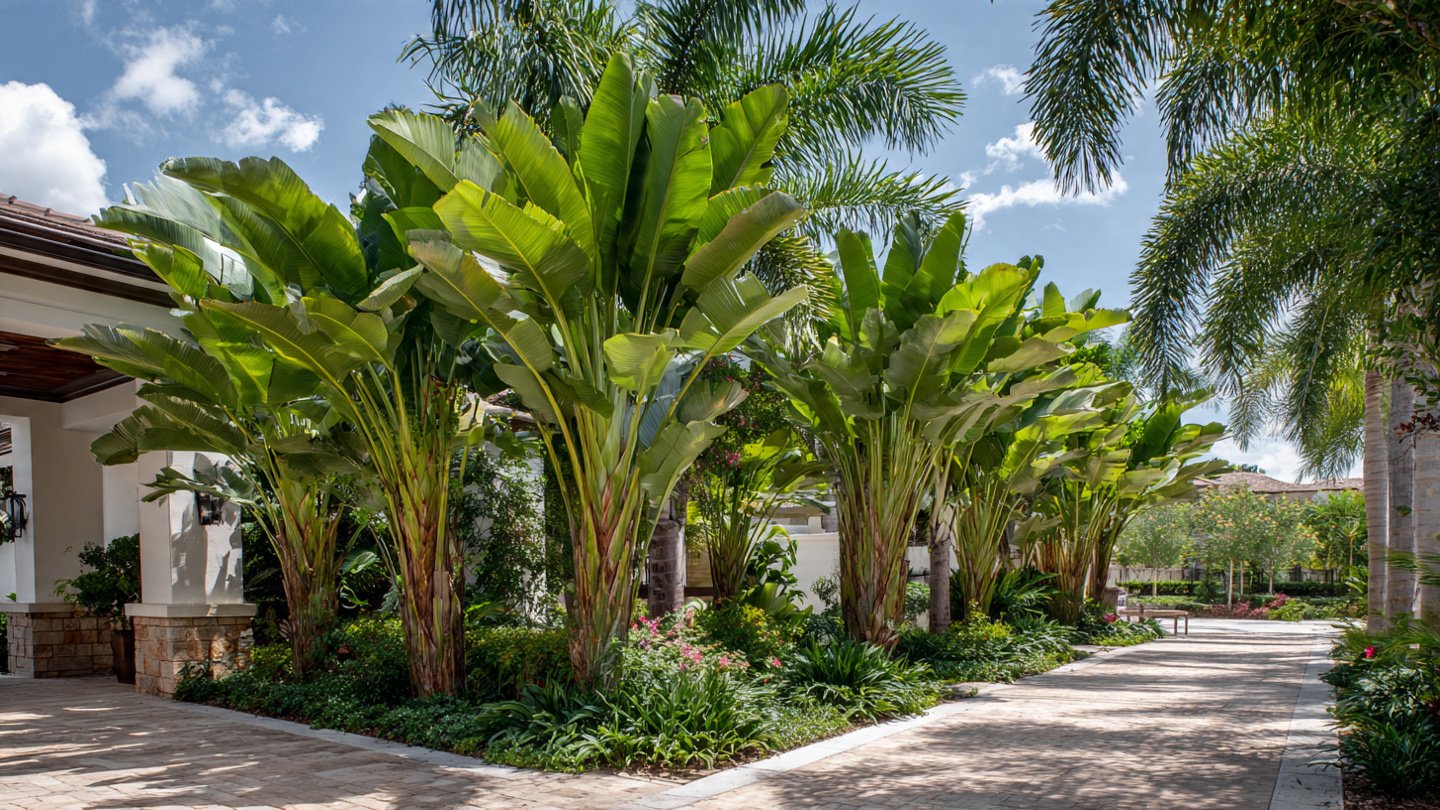
The Traveler Palm Tree (Ravenala madagascariensis) is not a true palm but is often grouped as one due to its palm-like appearance. Native to Madagascar, these striking trees boast unique fan-shaped leaves and an elegant growth habit, making them popular choices for landscaping in tropical and subtropical climates. Beyond their aesthetic appeal, Traveler Palms can enhance outdoor spaces by providing shade and creating an inviting atmosphere reminiscent of tropical getaways. This article will delve into how to successfully grow Traveler Palm Trees in your landscape and address common questions regarding their care.
Understanding the Traveler Palm
Latest Posts
- OnePlus Turbo 6V 5G Launched – for Gamers with 9000mAh Battery, 220MP Camera & Snapdragon 8s Gen 4
- Realme GT 8 Pro Officially Launched – 200MP Camera, 7,000mAh Battery and Snapdragon 8 Elite
- OPPO K13 Turbo 5G Launched – 7,000mAh Battery, 50MP Camera and High-Performance Chipset
- Realme 17 Pro 5G Unveiled – IP69K Certified, 200MP Camera and Massive 8600mAh Battery
- Vivo Premium Smartphone Launched – 200MP Camera, 90W Fast Charging and 16GB RAM
- POCO F8 Ultra Launched – Snapdragon Flagship Power, Bose Audio and Huge Battery
- POCO F8 Ultra Launched – Snapdragon Flagship Power, Bose Audio and Huge Battery
- OnePlus Nord 3 5G Launched – 120Hz AMOLED Display, 50MP Camera and 5,000mAh Battery
- OnePlus Nord CE4 Launched – Powerful Snapdragon 7 Gen 3, 50MP Camera and Long-Lasting Battery
- OnePlus Smartphone Revealed – Premium 5G Smartphone with 200MP Camera, 24GB RAM and 100W Fast Charging
Characteristics of the Traveler Palm
The Traveler Palm can reach heights of up to 30 feet (9 meters) and features large, paddle-shaped leaves that can grow up to 10 feet (3 meters) in length. The leaves are arranged in a stunning fan pattern, creating a visual spectacle that sways gracefully in the wind. The tree is often recognized for its unique growth habit, resembling a giant umbrella, which not only looks attractive but also provides significant shade.
Ideal Growing Conditions
Traveler Palms thrive in warm, tropical, and subtropical climates where temperatures remain above freezing. They prefer well-draining soil rich in organic matter, along with ample sunlight for optimal growth. However, they can tolerate partial shade, making them versatile for various landscape designs.
Uses in Landscaping
Due to their striking appearance, Traveler Palms are often utilized in various design settings, including:
- Tropical Gardens: Integrating them into a tropical-themed garden creates a lush, exotic oasis.
- Commercial Landscapes: Hotels and resorts often plant Traveler Palms to give guests a taste of paradise.
- Residential Yards: Homeowners can use them as focal points in gardens or along pathways.
Steps to Successfully Grow Traveler Palm Trees

1. Selecting the Right Location
Choosing the right spot for your Traveler Palm is crucial for its success. Here are essential factors to consider:
- Sunlight: Ensure the chosen location receives at least 6 hours of full sunlight daily. While they can tolerate partial shade, too much shade can hinder growth.
- Space: These palms can spread wide, so ensure they have sufficient space to grow without obstruction.
2. Soil Preparation
Traveler Palms prefer well-draining soil. Follow these guidelines for soil preparation:
- Soil Type: A sandy or loamy soil mix works best. If your native soil is clay-heavy, consider amending it with organic matter such as compost.
- pH Level: Aim for a soil pH of 6.0 to 7.0, ensuring it leans slightly acidic to neutral.
3. Planting
Planting Steps
-
Digging the Hole: Dig a hole twice the width of the root ball and deep enough to accommodate the roots without bending.
-
Adding Organic Matter: Mix organic compost into the soil removed from the hole, enhancing nutrient availability.
-
Placing the Plant: Position the Traveler Palm in the center of the hole. The top of the root ball should be level with the surrounding soil.
-
Backfilling: Fill the hole with the soil mix gently, ensuring the plant is secure. Avoid packing the soil too tightly, as this can hinder root development.
-
Watering: Water thoroughly after planting to eliminate air pockets and help the soil settle around the roots.

4. Watering and Irrigation
Traveler Palms require adequate moisture, especially during the growing season. Here’s how to manage their watering needs:
- Frequency: Water deeply once or twice a week, depending on rainfall and temperature.
- Drought Tolerance: Once established, these palms can withstand temporary drought conditions, but young plants require more consistent moisture.
5. Fertilization
To keep your Traveler Palm healthy and vibrant, consider the following:
- Type of Fertilizer: Use a balanced, slow-release fertilizer high in potassium. A formula with micronutrients, such as magnesium and manganese, is beneficial.
- Application Frequency: Fertilize in spring and summer, following package instructions for dosage.
6. Pruning

While Traveler Palms don’t require extensive pruning, occasional maintenance is advised:
- Removing Dead Leaves: Regularly trim dead or yellowing leaves to enhance appearance and promote airflow.
- Shaping: Prune any branches that may obstruct walkways or views, ensuring the tree maintains an attractive shape.
7. Pest Control and Troubleshooting
Traveler Palms are relatively pest-resistant, but issues can arise. Here’s what to look for:
- Common Pests: Aphids, mealybugs, and scale insects can occasionally infest the leaves. Use insecticidal soap or neem oil for treatment.
- Diseases: Root rot can occur due to overwatering or poorly draining soil. Ensure proper drainage and avoid waterlogging.
8. Winter Care
In cooler climates, special care is advisable:
- Frost Protection: Young Traveler Palms are susceptible to frost. Consider wrapping them with burlap or using frost cloth during cold spells.
- Heat Retention: Apply mulch around the base to conserve moisture and protect roots.
Enhancing Aesthetics with Traveler Palm Trees
Integrating Traveler Palms into your landscape can transform the aesthetic appeal of your outdoor space. Here are creative ideas:

1. Focal Points
Utilize Traveler Palms as striking focal points in your garden. Plant them near entranceways, pool areas, or patios to draw the eye.
2. Companion Planting
Combine Traveler Palms with other tropical plants, such as hibiscus, bird of paradise, and bromeliads, to create a diverse and visually appealing landscape.
3. Pathways
Line pathways with smaller Traveler Palms to create an inviting atmosphere. Their unique appearance will guide visitors through your outdoor space.
4. Privacy Screens
To create a natural privacy screen, plant Traveler Palms in clusters. Their height and sprawling fronds will effectively block views.
5. Container Gardening
For those in colder climates, consider planting Traveler Palms in large containers. This allows for easy relocation indoors during winter months or to create a tropical vibe on patios.
FAQs about Growing Traveler Palm Trees
Q1: How tall do Traveler Palms grow?
A1: Traveler Palms can reach heights of up to 30 feet, but their growth may vary based on environmental conditions.

Q2: Can I grow Traveler Palms in pots?
A2: Yes, Traveler Palms can be successfully grown in large containers. Ensure the pot has sufficient drainage holes and use a well-draining soil mix.
Q3: Do Traveler Palms produce fruit?
A3: While they do produce seeds, the Traveler Palm is not typically known for edible fruit. Their primary appeal lies in their striking foliage.
Q4: How fast do Traveler Palms grow?
A4: In ideal conditions, Traveler Palms can grow moderately fast—gaining about 2–3 feet annually.
Q5: Are Traveler Palms suitable for interior spaces?
A5: While they can be temporarily placed indoors, Traveler Palms thrive best outdoors where they can receive adequate sunlight and air circulation.
Q6: What should I do if my Traveler Palm leaves start yellowing?
A6: Yellowing leaves can indicate overwatering, nutrient deficiency, or pests. Evaluate your watering schedule, inspect for pests, and consider fertilizing.
Conclusion
Cultivating Traveler Palm Trees in your landscape enhances your outdoor aesthetics while evoking an exotic, tropical flair. With their impressive height and distinctive fan-like leaves, these trees bring beauty and serenity to gardens, patios, and commercial spaces alike. By following proper planting and maintenance strategies, you can enjoy the charm of Traveler Palms for years to come, making your outdoor area a personal paradise.
Leave a Reply