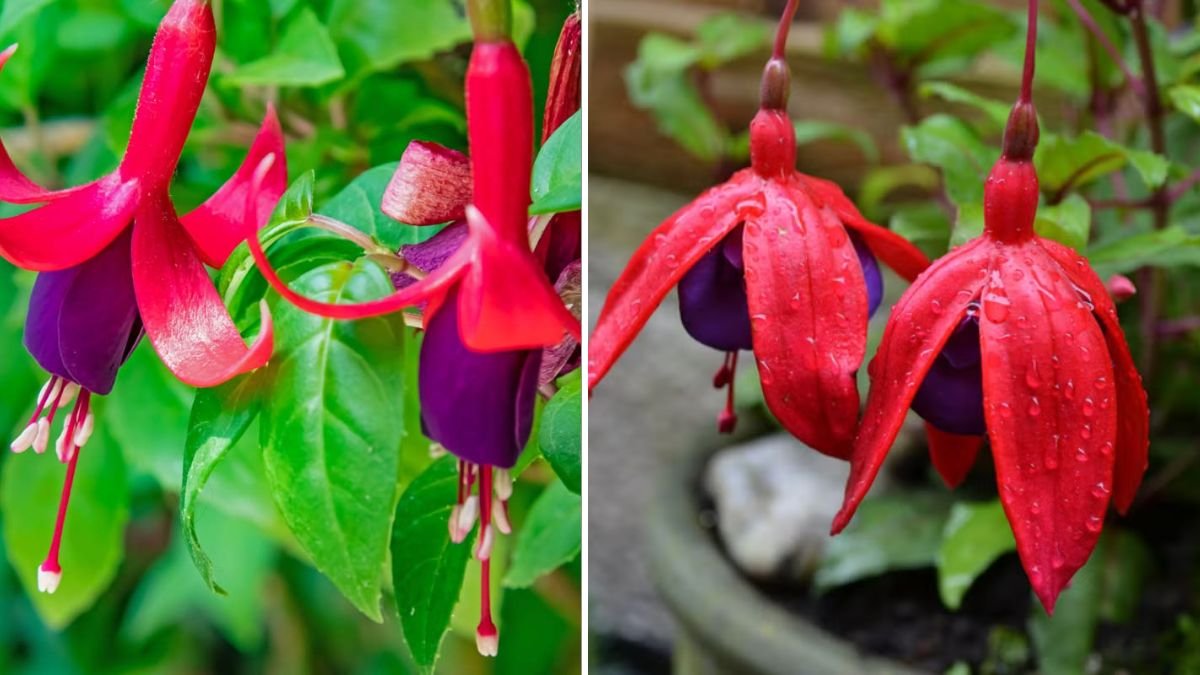
Fuchsia plants, renowned for their exquisite, pendulous flowers and lush foliage, make an elegant addition to any indoor garden. With their vibrant colors and unique shapes, they can brighten up spaces and bring a touch of nature indoors. However, successfully cultivating fuchsia plants indoors requires understanding their specific care needs, from light and humidity to watering and fertilization. This comprehensive guide will walk you through everything you need to know to nurture these beautiful plants within your home.
Understanding Fuchsia Plants
1. Types of Fuchsia
Latest Posts
- OnePlus Turbo 6V 5G Launched – for Gamers with 9000mAh Battery, 220MP Camera & Snapdragon 8s Gen 4
- Realme GT 8 Pro Officially Launched – 200MP Camera, 7,000mAh Battery and Snapdragon 8 Elite
- OPPO K13 Turbo 5G Launched – 7,000mAh Battery, 50MP Camera and High-Performance Chipset
- Realme 17 Pro 5G Unveiled – IP69K Certified, 200MP Camera and Massive 8600mAh Battery
- Vivo Premium Smartphone Launched – 200MP Camera, 90W Fast Charging and 16GB RAM
- POCO F8 Ultra Launched – Snapdragon Flagship Power, Bose Audio and Huge Battery
- POCO F8 Ultra Launched – Snapdragon Flagship Power, Bose Audio and Huge Battery
- OnePlus Nord 3 5G Launched – 120Hz AMOLED Display, 50MP Camera and 5,000mAh Battery
- OnePlus Nord CE4 Launched – Powerful Snapdragon 7 Gen 3, 50MP Camera and Long-Lasting Battery
- OnePlus Smartphone Revealed – Premium 5G Smartphone with 200MP Camera, 24GB RAM and 100W Fast Charging
Fuchsia comprises around 110 species and a multitude of hybrids. Common types include:
- Fuchsia magellanica: Known for hardiness and long flowering seasons.
- Fuchsia hybrid: Popular for indoor cultivation due to their showy flowers.
- Fuchsia triphylla: Characterized by tubular flowers, often used in hanging baskets.
2. Characteristics
Fuchsia plants are notable for their:
- Unique, bell-shaped flowers that come in various combinations of pink, purple, red, and white.
- Green to dark green leaves, some varieties displaying variegated patterns.
- Growth habit, which can be upright or trailing, depending on the species.
Choosing the Right Location
1. Light Requirements
Fuchsia plants thrive in bright, indirect light. Here are some tips to achieve this:

- East or West-facing Windows: These windows receive sufficient sunlight without risking leaf scorch.
- Avoid Direct Sunlight: Direct exposure to strong sunlight, especially in midsummer, can cause the leaves to burn and flowers to wilt.
2. Ideal Temperature and Humidity
Fuchsia plants prefer moderate temperatures and high humidity:
- Temperature: Maintain a range between 60°F and 70°F (15°C to 21°C). They can tolerate slightly cooler temperatures, but avoid extremes.
- Humidity: Optimal humidity levels are around 50-70%. To increase humidity, you can mist the plants, place a water tray with pebbles underneath, or use a humidifier.
Potting and Soil
1. Best Soil Mix
Fuchsias thrive in well-draining, nutrient-rich soil. A good soil mix includes:
- Potting Soil: Use a high-quality potting mix as a base.
- Perlite or Sand: Mix in perlite or coarse sand to enhance drainage.
2. Pot Selection
- Container Size: Choose a pot that is 1-2 inches larger in diameter than the current pot. Ensure it has drainage holes.
- Material: Terracotta pots are breathable, making them a great option for fuchsias.
Planting and Repotting
1. Planting Fuchsia

- Transplanting: If you buy a fuchsia from a nursery, gently remove it from its nursery pot. Loosen the roots carefully and place it in the new pot, filling in with fresh soil.
- Depth: Ensure that the root ball is level with the soil surface to prevent rot.
2. Repotting
Repot fuchsias every 1-2 years in spring to refresh the soil and promote growth. Signs that it’s time to repot include:
- Roots growing out of the bottom of the pot.
- Slowed growth or yellowing leaves.
Watering Practices
1. Watering Needs
Fuchsia plants prefer consistently moist soil but are susceptible to overwatering:
- Frequency: Water when the top inch of soil feels dry.
- Technique: Water deeply, allowing excess to drain out. Do not let the plant sit in water.
2. Signs of Over or Underwatering
- Overwatering: Yellowing leaves, wilting, or root rot.
- Underwatering: Crispy leaf edges, drooping, or dry soil.
Fertilization
1. Types of Fertilizers

Fuchsias benefit from regular feeding:
- Balanced Fertilizer: Use a balanced liquid fertilizer (e.g., 20-20-20) every 4-6 weeks during the growing season (spring and summer).
- Organic Options: Consider organic fertilizers like fish emulsion or compost tea for a nutrient boost.
2. During Dormancy
During fall and winter, reduce fertilization as the plant enters dormancy. Resume feeding in early spring as new growth appears.
Pruning and Maintenance
1. Pruning Techniques
Regular pruning promotes bushiness and encourages flowering. Follow these steps:
- Timing: Prune in late winter or early spring before new growth begins.
- Method: Trim back leggy stems to just above a leaf node. Remove any dead or damaged growth.
2. Pests and Diseases
Fuchsia plants can face several pests and diseases:
- Common Pests: Aphids, spider mites, and whiteflies. Use insecticidal soap or neem oil to control infestations.
- Diseases: Watch for signs of root rot, powdery mildew, or fungal issues. Improve air circulation and ensure proper watering to minimize risks.
Encouraging Blooms

1. Light and Temperature
Ensure adequate light and maintain temperatures between 60°F and 70°F to encourage blooming.
2. Deadheading Flowers
Regularly remove spent blooms (deadheading) encourages further flowering and improves overall plant health.
Seasonal Care Tips
1. Spring
- Start fertilizing as growth resumes.
- Repot if necessary.
2. Summer
- Maintain consistent watering.
- Monitor for pests more closely during warmer months.
3. Fall
- Gradually reduce watering as growth slows.
- Stop fertilizing to allow the plant to prepare for dormancy.
4. Winter
- Maintain cooler temperatures.
- Reduce watering to prevent root rot.

Final Thoughts
By providing the right conditions and care, you can enjoy the beauty of fuchsia plants indoors year-round. Their striking flowers and lush foliage will enrich your space, making every effort worthwhile. With a bit of patience and attention, you’ll become adept at cultivating these stunning plants.
FAQs
1. Can fuchsia plants grow in low light?
Fuchsia plants prefer bright, indirect light. While they can tolerate lower light conditions, their growth and blooming may be significantly reduced.
2. How often should I water my fuchsia plant?
Water your fuchsia when the top inch of soil feels dry. This typically means watering every few days, depending on humidity and temperature.
3. Why are the leaves on my fuchsia turning yellow?
Yellowing leaves can indicate overwatering, underwatering, or nutrient deficiencies. Check the soil moisture and consider fertilizing if necessary.
4. How do I propagate fuchsia plants?
Fuchsia can be propagated through cuttings taken in spring or summer. Select a healthy stem, cut it below a leaf node, and place it in moist soil. Keep it covered to maintain humidity until roots develop.
5. Can I keep fuchsia plants outside in the summer?
Fuchsia plants do well outdoors in the summer, but ensure they are placed in a spot with partial shade to prevent leaf scorch. Bring them indoors before the first frost.
By following this comprehensive guide, you are well-equipped to cultivate and enjoy fuchsia plants indoors, adding a vibrant touch to your living space. Happy gardening!
Leave a Reply