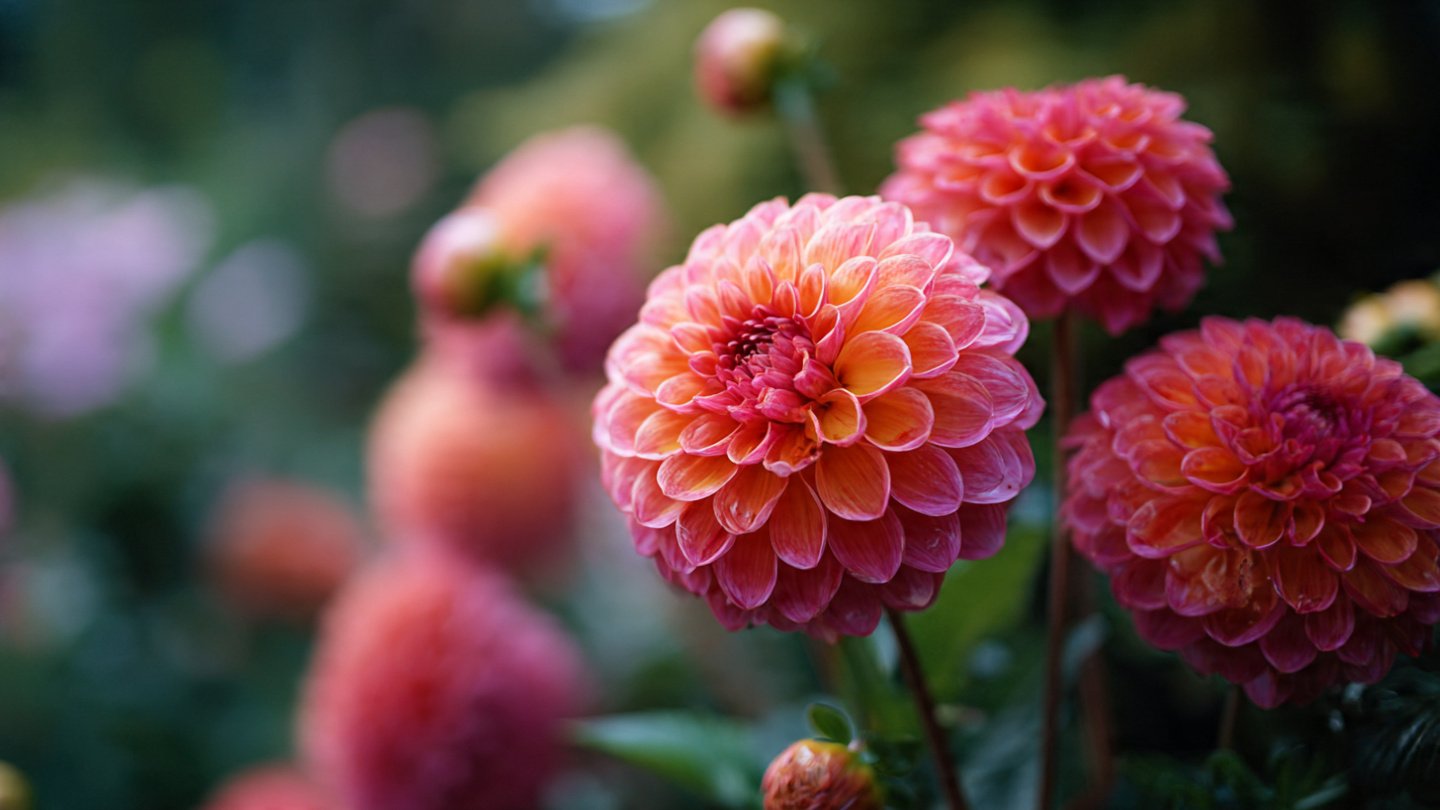
Dahlias, with their striking colors and unique shapes, are a gardener’s delight. Whether creating a floral centerpiece or filling your garden with vibrant blooms, dahlias are versatile and relatively easy to grow. This guide will walk you through the process of growing beautiful dahlias from tubers at home, covering everything from tuber selection to harvesting your stunning blooms. Let’s dive in!
Understanding Dahlias
Dahlias belong to the Asteraceae family and originate from Central Mexico. They bloom from summer into fall, providing a long season of color. With varieties that range in height, shape, and color, there’s a dahlia to suit every garden style. The flowers can be categorized into several types, including:
Latest Posts
- OnePlus Turbo 6V 5G Launched – for Gamers with 9000mAh Battery, 220MP Camera & Snapdragon 8s Gen 4
- Realme GT 8 Pro Officially Launched – 200MP Camera, 7,000mAh Battery and Snapdragon 8 Elite
- OPPO K13 Turbo 5G Launched – 7,000mAh Battery, 50MP Camera and High-Performance Chipset
- Realme 17 Pro 5G Unveiled – IP69K Certified, 200MP Camera and Massive 8600mAh Battery
- Vivo Premium Smartphone Launched – 200MP Camera, 90W Fast Charging and 16GB RAM
- POCO F8 Ultra Launched – Snapdragon Flagship Power, Bose Audio and Huge Battery
- POCO F8 Ultra Launched – Snapdragon Flagship Power, Bose Audio and Huge Battery
- OnePlus Nord 3 5G Launched – 120Hz AMOLED Display, 50MP Camera and 5,000mAh Battery
- OnePlus Nord CE4 Launched – Powerful Snapdragon 7 Gen 3, 50MP Camera and Long-Lasting Battery
- OnePlus Smartphone Revealed – Premium 5G Smartphone with 200MP Camera, 24GB RAM and 100W Fast Charging
- Cactus Dahlias: Spiky petals resembling a cactus.
- Ball Dahlias: Perfectly round blooms.
- Decorative Dahlias: Large, full blooms with layered petals.
- Pompon Dahlias: Small and fluffy flowers.
Benefits of Growing Dahlias
- Versatile Beauty: Dahlias can be used in borders, containers, or as cut flowers.
- Long Blooming Season: They bloom for months, providing continuous color.
- Variety: With hundreds of varieties, you can find the right shape and color for your garden.
Step-by-Step Guide to Growing Dahlias from Tubers
Step 1: Choosing the Right Tubs
When selecting tubers, choose healthy ones from a reputable garden center or nursery. Look for tubers that are firm and plump, with visible “eyes,” which are small growth buds. The best time to plant dahlias in the northern hemisphere is often after the last frost, typically in late spring.

Step 2: Preparing the Soil
Dahlias thrive in well-drained soil rich in organic matter. Here’s how to prepare your soil:
- Location: Choose a sunny spot that receives full sun for at least 6 hours a day.
- Soil Testing: Conduct a soil test to determine the pH and nutrient levels. Dahlias prefer a soil pH of 6.5 to 7.5.
- Amendments: Incorporate organic compost or well-rotted manure into your soil to improve fertility and drainage.
Step 3: Planting the Tubers
Once your soil is ready, it’s time to plant the tubers:
- Depth: Dig a hole about 6-8 inches deep and 12 inches wide.
- Orientation: Place the tuber in the hole with the eye facing up.
- Spacing: Space the tubers 18-24 inches apart to allow for their growth.
- Cover: Gently cover the tuber with soil, ensuring not to bury it too deeply.
Step 4: Watering
Dahlias need consistent moisture, especially during their active growing phase. Here’s how to water them:

- Initial Watering: Water the tubers immediately after planting to settle the soil.
- Ongoing Care: Water regularly, ensuring the soil remains moist but not waterlogged. Aim for approximately 1 inch of water per week, either through rainfall or supplementary watering.
Step 5: Fertilizing
For optimal growth and blooming, dahlias benefit from regular feeding:
- Type: Use a balanced fertilizer, such as 10-20-20, which promotes flower development.
- Timing: Fertilize at planting and then again once a month during the growing season.
- Application: Follow the directions on the fertilizer package and avoid over-fertilizing, which can lead to lush foliage but fewer blooms.
Step 6: Supporting Your Dahlias
Some dahlia varieties grow tall and may require support to prevent them from bending or breaking:
- Staking: Use stakes or cages to support tall varieties; insert them into the soil at planting to avoid damaging the roots later.
- Tying: Gently tie the stems to the supports with soft garden ties, avoiding any damage to the stems.
Step 7: Managing Pests and Diseases
Dahlias are relatively pest-resistant, but it’s wise to keep an eye out for common issues:

- Pests: Aphids, slugs, and beetles are common pests. Insecticidal soap or neem oil can treat infestations.
- Diseases: Fungal issues like powdery mildew can occur in humid conditions. Ensure good air circulation and water in the morning to minimize this risk.
Step 8: Deadheading and Pruning
To encourage continuous blooming, practice deadheading, which is the removal of spent flowers:
- Frequency: Deadhead regularly, removing flowers as soon as they begin to wilt.
- Pruning: Cutting back excess foliage or weak stems can promote healthier growth.
Step 9: Harvesting Your Dahlias
Once your dahlias have bloomed, it’s time to enjoy them:
- When to Cut: Cut blooms when they are fully open but still firm. Early morning is the best time to harvest.
- Cutting Technique: Use clean, sharp scissors to cut stems at a diagonal angle to allow for maximum water uptake.
- Arranging: Combine different colors and sizes for stunning arrangements.
Step 10: Preparing for Winter
Once the growing season ends and the frost has blackened the foliage, prepare for winter:

- Cutting Back: Trim back the stems to about 4-6 inches above the ground.
- Lifting Tubers: Carefully dig up the tubers, ensuring not to damage them, and allow them to dry for a few hours.
- Storage: Store tubers in a cool, dry place in a container filled with peat moss or sawdust to prevent them from drying out.
Frequently Asked Questions (FAQs)
1. How do I know when to plant dahlias?
Typically, plant dahlias after the last frost date in your area when the soil temperature is consistently above 60°F (15°C).
2. Can I grow dahlias in pots?
Yes, dahlias can be grown in pots. Choose a large container (at least 12 inches deep and wide) with drainage holes, and ensure you water and fertilize them adequately.
3. How often should I water my dahlias?
Water dahlias consistently, aiming for about 1 inch of moisture per week, either from rainfall or supplemental watering.
4. What should I do if my dahlias are not blooming?
If your dahlias are not blooming, check for nutrient imbalances, insufficient sunlight, or overcrowding. Adequate fertilization and spacing can often solve the problem.
5. Do dahlias need full sun?
Yes, dahlias thrive in full sun and require at least 6 hours of direct sunlight each day for optimal blooming.

6. Can I leave dahlias in the ground over winter?
In mild climates, dahlias can be left in the ground, but in colder areas, it’s best to lift the tubers to prevent frost damage.
7. How can I improve soil drainage for dahlias?
Improve soil drainage by adding organic matter such as compost or by creating raised beds to ensure excess water drains away.
8. Are dahlias perennial?
Dahlias are perennial in USDA zones 8-10 but are commonly grown as annuals in colder climates, where the tubers are lifted and stored over the winter.
9. How do I propagate dahlias?
Dahlias can be propagated through tubers or by division. When dividing, ensure each section has at least one eye, and plant as you would a whole tuber.
10. What common pests should I look for?
Common pests include aphids, snails, and spider mites. Regularly inspect your plants and use organic insecticides if necessary.
Conclusion
Growing dahlias from tubers at home can be rewarding and beautiful. With a little effort in the preparation and care of these stunning flowers, you can enjoy a vibrant display in your garden or home. Follow the steps outlined in this guide, and soon you’ll be an expert dahlia grower, creating beautiful arrangements that will brighten any space. Happy gardening!
Leave a Reply