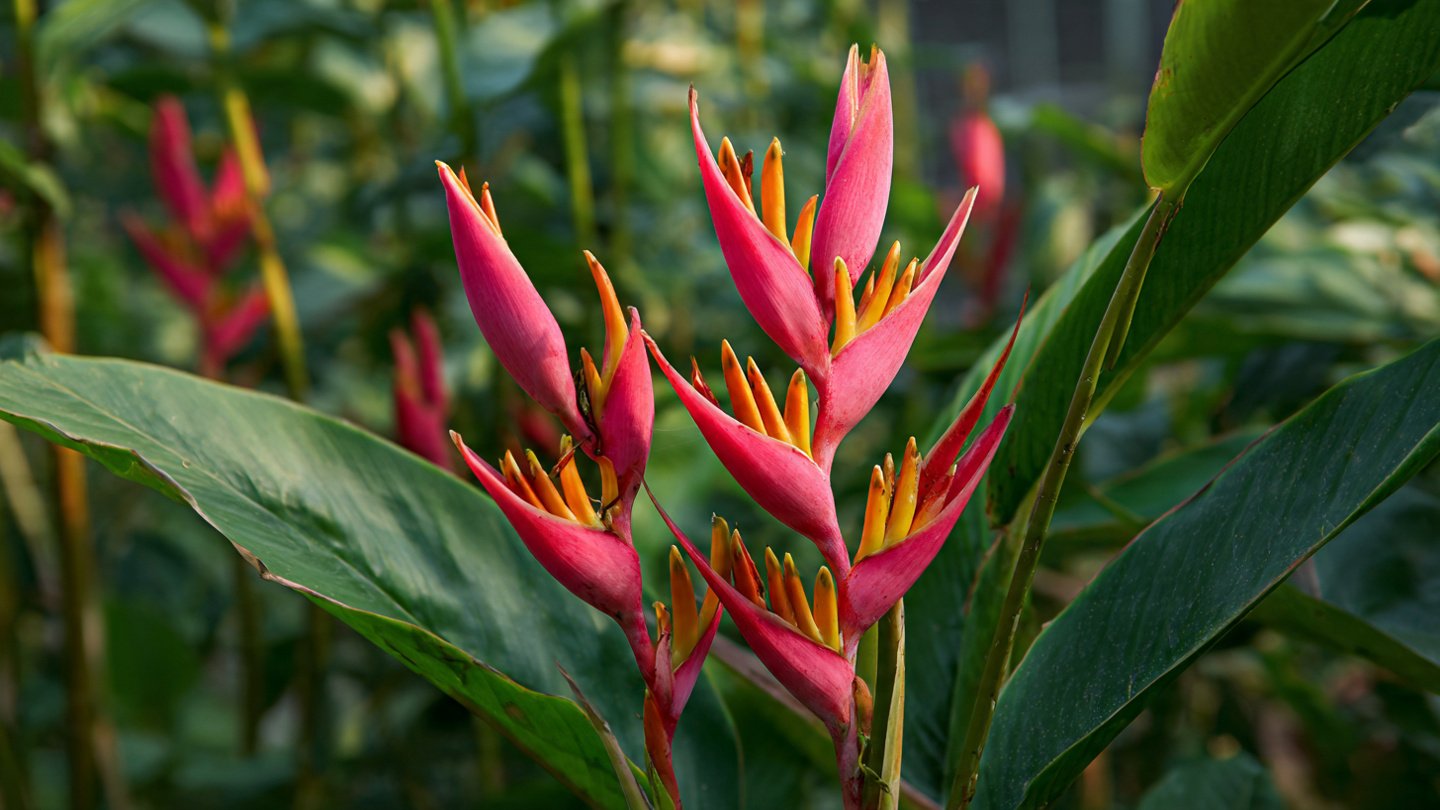
Heliconia, often referred to as “lobster-claw” or “wild plantain,” is a stunning tropical plant known for its vibrant, exotic flowers and lush foliage. These plants not only add beauty but also bring a sense of tropical paradise to any garden. In this detailed guide, we’ll explore the ultimate techniques for growing Heliconia, ensuring your garden showcases these striking plants to their fullest.
Understanding Heliconia
Types of Heliconia
Latest Posts
- OnePlus Turbo 6V 5G Launched – for Gamers with 9000mAh Battery, 220MP Camera & Snapdragon 8s Gen 4
- Realme GT 8 Pro Officially Launched – 200MP Camera, 7,000mAh Battery and Snapdragon 8 Elite
- OPPO K13 Turbo 5G Launched – 7,000mAh Battery, 50MP Camera and High-Performance Chipset
- Realme 17 Pro 5G Unveiled – IP69K Certified, 200MP Camera and Massive 8600mAh Battery
- Vivo Premium Smartphone Launched – 200MP Camera, 90W Fast Charging and 16GB RAM
- POCO F8 Ultra Launched – Snapdragon Flagship Power, Bose Audio and Huge Battery
- POCO F8 Ultra Launched – Snapdragon Flagship Power, Bose Audio and Huge Battery
- OnePlus Nord 3 5G Launched – 120Hz AMOLED Display, 50MP Camera and 5,000mAh Battery
- OnePlus Nord CE4 Launched – Powerful Snapdragon 7 Gen 3, 50MP Camera and Long-Lasting Battery
- OnePlus Smartphone Revealed – Premium 5G Smartphone with 200MP Camera, 24GB RAM and 100W Fast Charging
Heliconia belongs to the Heliconiaceae family and is native to tropical regions of the Americas. There are approximately 200 species of Heliconia, each varying in flower color, size, and shape. Some of the most popular varieties include:
- Heliconia rostrata: Known for its drooping, lobster-claw-like flowers.
- Heliconia bihai: Features large, bright red flowers with yellow accents.
- Heliconia caribaea: Often grows taller and is known for its orange and yellow inflorescences.
Understanding the specific variety you wish to cultivate is crucial for proper cultivation techniques.
Choosing the Right Location
Sunlight Requirements
Heliconia thrives best in full sun to partial shade. While some species can tolerate more shade, ensuring at least six to eight hours of sunlight daily is ideal for vibrant blooms and healthy growth.
Soil Conditions
Heliconia prefers well-draining, rich, loamy soil enriched with organic matter. An ideal pH level ranges from 5.5 to 7.0. Conducting a soil test can help determine the nutrient levels and pH, enabling you to amend the soil as necessary.

Climate Considerations
These plants flourish in warm, humid climates, ideally within USDA Hardiness Zones 10-12. If you live in cooler areas, consider using greenhouse conditions or growing them in containers to move indoors during colder months.
Planting Techniques
Propagation Methods
Heliconia can be propagated through seeds or rhizomes. While seed propagation can be more delicate and time-consuming, using rhizomes is often the preferred method for home gardeners.
-
Rhizome Division: When dividing Rhizomes, ensure each section has at least one growing bud. Plant the sections in well-prepared soil, burying them shallowly.
-
Seed Germination: If opting for seed propagation, soak seeds in water for 48 hours before planting. Place them in a seed-starting mix, keeping the soil warm and moist until germination (usually takes about 2-3 weeks).
Planting Process
-
Prepare the Site: Clear any weeds and debris. Amend the soil with compost and ensure good drainage.
-
Planting Depth: Plant rhizomes about 2-4 inches deep. If planting seeds, plant them at a depth of 1-2 inches.
-
Spacing: Space your Heliconia 3-5 feet apart to allow for growth and airflow.

Care and Maintenance
Watering
Heliconia requires consistently moist soil but should not be waterlogged. During dry spells, water deeply to ensure the roots receive adequate moisture. Using mulch can help retain soil moisture and reduce weed competition.
Fertilization
Feed Heliconia with a balanced, slow-release fertilizer every 6-8 weeks during the growing season. An NPK (Nitrogen, Phosphorus, Potassium) ratio of 10-10-10 works well, or you can use organic options like compost or well-rotted manure.
Pruning
Regular pruning encourages bushier growth and healthier plants. Remove dead or damaged leaves and spent flowers to promote new growth and improve airflow.
Pest and Disease Management
Common Pests
Heliconia can attract various pests, including:
-
Aphids: These small insects can be removed with a strong spray of water or treated with insecticidal soap.
-
Spider Mites: Symptoms include discoloration of leaves. Regular misting can deter them.
-
Mealybugs and Scale: Use horticultural oil or insecticidal soap for treatment, ensuring complete coverage.

Diseases
Common diseases affecting Heliconia include root rot and leaf spot. Prevent these by:
- Ensuring good drainage.
- Avoiding overwatering.
- Providing ample air circulation around plants.
If a plant shows signs of disease, remove affected leaves promptly and maintain optimal growing conditions to prevent spread.
Harvesting and Using Heliconia
Flower Harvesting
Heliconia flowers can be cut and used in floral arrangements. Harvesting should be done early in the morning to ensure turgid stems and vibrant colors. Use sharp pruning shears and cut flowers in a way that allows the plant to continue thriving.
Culinary Uses
Some Heliconia varieties have edible flowers and can be used in salads or as garnishes. However, always research specific species for edibility before consumption.
Designing with Heliconia
Garden Styles
Heliconia can be incorporated into various garden styles:

-
Tropical Gardens: Use Heliconia as focal points amidst other tropical plants like bananas and palms.
-
Container Gardens: Plant in large containers for patios or balconies. This allows for mobility and unique design arrangements.
-
Informal Borders: Heliconia creates a lush, informal border or privacy screen due to its tall growth habit.
-
Mixed Perennial beds: Pair with other perennials to create a vibrant, colorful display throughout the growing season.
Companion Plants
Consider pairing Heliconia with:
- Bird of Paradise: Both thrive in similar conditions and provide stunning visual effects.
- Ornamental grasses: To create contrast in texture and height.
- Ferns: For a lush, tropical understory.
Final Thoughts
Growing Heliconia can transform your garden into a tropical oasis. With the right knowledge of their care, including ideal planting conditions, maintenance, and design, these plants will flourish and create an eye-catching display.

FAQs
Q1: How long does it take for Heliconia to bloom?
A: Depending on the variety and growing conditions, Heliconia typically takes 1-3 years from planting until it first blooms.
Q2: Can Heliconia survive frost?
A: Heliconia is not frost-tolerant. In cooler climates, it’s best to grow them in pots that can be moved indoors or to covered areas during colder months.
Q3: Do Heliconia plants attract hummingbirds?
A: Yes! Heliconia flowers are known to attract hummingbirds due to their bright colors and tubular shape.
Q4: How often should I water Heliconia?
A: Water Heliconia deeply when the top inch of soil feels dry. They enjoy consistently moist soil but be cautious of overwatering.
Q5: Can I grow Heliconia indoors?
A: Yes, Heliconia can be grown indoors if given ample sunlight. Use a bright corner or near a window and ensure good humidity.
By following these techniques and tips, you will not only enjoy the beauty of Heliconia in your garden but also create an inviting environment that reflects tropical elegance. Happy gardening!