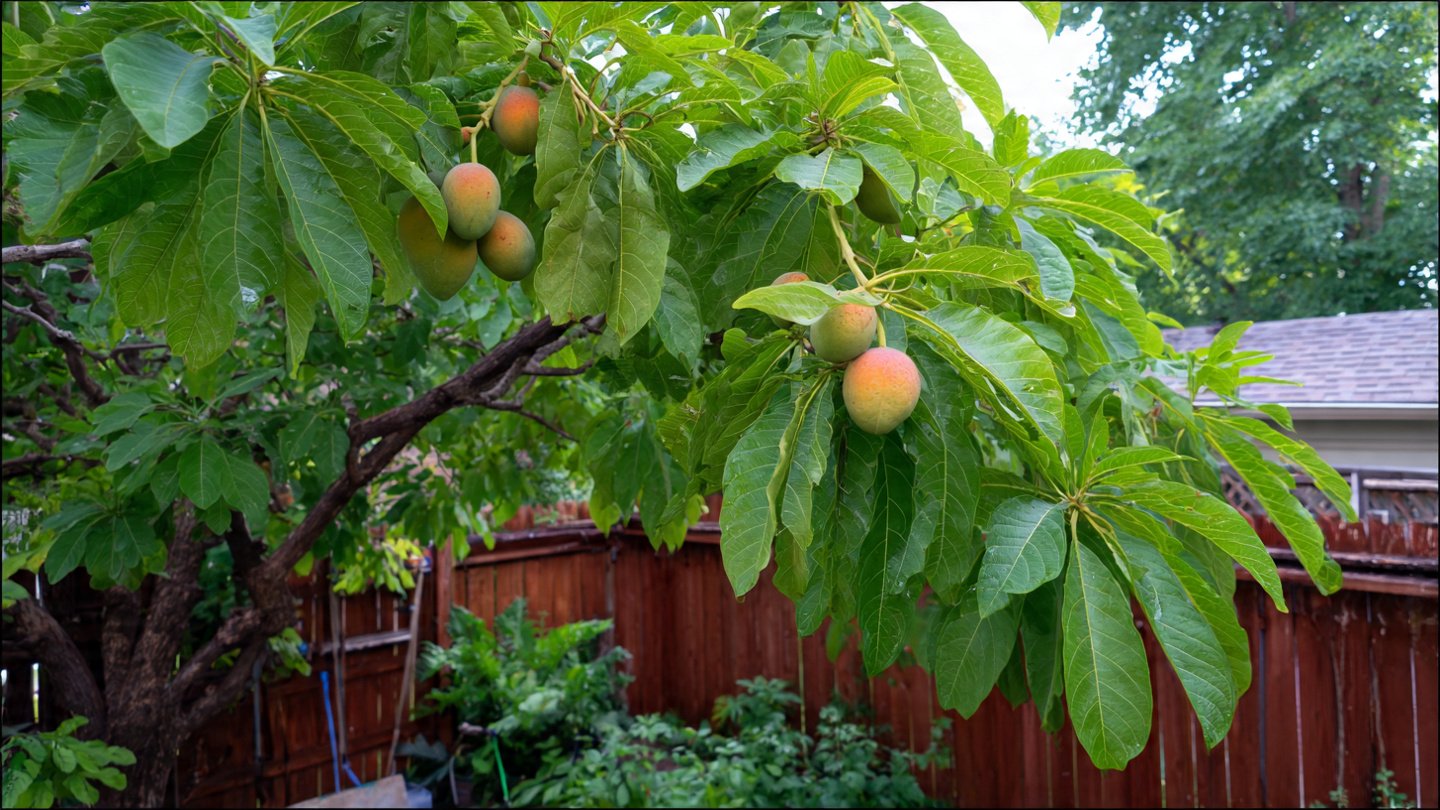
Pawpaw trees (Asimina triloba) are native to the Eastern United States and produce the largest edible fruit native to North America. Known for their custard-like texture and tropical flavor, pawpaws can be a delightful addition to your backyard garden. If you’re considering growing a pawpaw tree of your own, this comprehensive guide will cover everything from choosing the right variety to planting, care, and harvesting.
1. Understanding the Pawpaw Tree
Before diving into the growing process, it’s important to understand the unique characteristics of the pawpaw tree. Here are some key points about this remarkable fruit tree:
Latest Posts
- OnePlus Turbo 6V 5G Launched – for Gamers with 9000mAh Battery, 220MP Camera & Snapdragon 8s Gen 4
- Realme GT 8 Pro Officially Launched – 200MP Camera, 7,000mAh Battery and Snapdragon 8 Elite
- OPPO K13 Turbo 5G Launched – 7,000mAh Battery, 50MP Camera and High-Performance Chipset
- Realme 17 Pro 5G Unveiled – IP69K Certified, 200MP Camera and Massive 8600mAh Battery
- Vivo Premium Smartphone Launched – 200MP Camera, 90W Fast Charging and 16GB RAM
- POCO F8 Ultra Launched – Snapdragon Flagship Power, Bose Audio and Huge Battery
- POCO F8 Ultra Launched – Snapdragon Flagship Power, Bose Audio and Huge Battery
- OnePlus Nord 3 5G Launched – 120Hz AMOLED Display, 50MP Camera and 5,000mAh Battery
- OnePlus Nord CE4 Launched – Powerful Snapdragon 7 Gen 3, 50MP Camera and Long-Lasting Battery
- OnePlus Smartphone Revealed – Premium 5G Smartphone with 200MP Camera, 24GB RAM and 100W Fast Charging
- Height and Spread: Pawpaw trees can grow 15 to 30 feet tall and spread 10 to 20 feet wide.
- Foliage: The trees have large, tropical-looking leaves that can be up to a foot long. In the fall, the leaves turn a beautiful yellow, adding seasonal interest.
- Flowers: They produce unique, fragrant blooms that are purple-brown in color.
- Fruit: Pawpaw fruit is green when unripe and turns a yellow-brown as it ripens. The fruit is sweet and custard-like, with flavors reminiscent of banana, mango, and melon.
2. Choosing the Right Location
Sunlight: Pawpaw trees prefer partial shade, particularly in hotter climates. A spot with morning sun and afternoon shade is ideal.
Soil Quality: They thrive in well-drained, loamy soil rich in organic matter. A pH of 5.5 to 7.0 is optimal. Conducting a soil test can help you amend your soil accordingly.
Protection from Wind: Since pawpaw trees have relatively weak stems, planting them near a windbreak can help protect them from harsh gusts that might damage their branches.
3. Selecting the Right Varieties

Pawpaws are typically self-pollinating but will produce better yields if you plant multiple trees. Here are a few popular cultivars to consider:
- ‘Simon: Known for its resilience and large fruit.
- ‘Tallman: Resistant to diseases and produces sweet fruit.
- ‘Sunflower’: Offers high yields and is relatively pest-resistant.
4. Planting Your Pawpaw Tree
Step-by-Step Planting Guide
-
Timing: The best time to plant a pawpaw tree is in the spring or fall.
-
Digging the Hole: Dig a hole that is twice as wide and as deep as the root ball of your sapling. This gives the roots room to spread.
-
Soil Preparation: Mix the native soil with compost to enrich it and improve drainage.
-
Placement: Place the tree in the center of the hole, ensuring that the graft line (if applicable) is above soil level.
-
Backfill and Watering: Backfill the hole with the soil-compost mix, firming it lightly around the base to eliminate air pockets. Water the newly planted tree thoroughly.
-
Mulching: Add a layer of organic mulch (like wood chips or straw) around the tree to retain moisture and suppress weeds.

5. Watering and Fertilizing
-
Watering: Pawpaw trees need consistent moisture, especially during their first year. Water regularly, but avoid waterlogging, as pawpaws do not tolerate standing water.
-
Fertilizing: Use a balanced fertilizer (10-10-10 NPK) in early spring as new growth begins. Over-fertilizing can harm the tree, so follow the manufacturer’s instructions closely.
6. Pest and Disease Management
While pawpaws are relatively pest-resistant, they can fall victim to a few common pests:
-
Pawpaw Pests:
- Caterpillars: Look out for these pests on young leaves. Handpicking is effective if you catch them early.
- Fruit Flies: These can be dealt with using traps or insecticidal soap.
-
Diseases:

- Fungal Infections: Ensure good air circulation around the tree by pruning crowded branches. Apply fungicides if necessary.
7. Pruning Your Pawpaw Tree
Regular pruning helps maintain good shape, encourages healthy growth, and improves fruit production. Here are some pruning tips:
-
Timing: Prune in late winter or early spring before new growth begins.
-
Structure: Aim to create an open canopy that allows sunlight to penetrate and air to circulate.
-
Removing Suckers: Get rid of any suckers that grow from the base of the tree, as they divert energy from fruit production.
8. Harvesting Pawpaw Fruit
Pawpaw fruits typically ripen in late summer to early fall. Here’s how you can tell when they’re ready to pick:
-
Color Change: Fruits turn from green to yellowish-brown.
-
Softness: A slight squeeze should yield a little; if they feel mushy, they are overripe.

-
Harvesting: Gently twist the fruit from the stem or use pruners to avoid damaging the tree.
After harvesting, store the fruit in a cool place. They can be eaten fresh, or used in smoothies, desserts, and jams.
9. FAQs About Pawpaw Trees
1. How long does it take for a pawpaw tree to produce fruit?
Pawpaw trees typically take 3 to 4 years after planting to yield fruit, depending on the variety and growing conditions.
2. Can pawpaw trees grow in pots?
While it’s possible to start a pawpaw tree in a pot, they are best suited for planting in the ground due to their size. Container-grown trees will require more frequent watering and nutrients.
3. Do I need two pawpaw trees to get fruit?
While pawpaw trees can self-pollinate, planting two or more varieties increases the chances of better fruit set and higher yields.
4. What pests are common with pawpaw trees?
Common pests include caterpillars and fruit flies. Implementing proper care and management can keep pests at bay.
5. What is the best time to plant a pawpaw tree?

The best times to plant a pawpaw tree are in the spring or fall, when the tree is dormant.
6. Is the pawpaw tree hardy?
Pawpaw trees are hardy in USDA zones 5 through 8. They can withstand cold temperatures but may need protection from severe winter winds.
7. How should I care for a pawpaw tree during winter?
In colder climates, protect young trees with mulch and consider wrapping them with burlap if temperatures drop significantly.
8. What should I do if my pawpaw tree is not producing fruit?
If your tree isn’t producing, check for issues like lack of pollination, pests, or inadequate sunlight or water.
9. Can pawpaw fruit be frozen?
Yes, you can freeze pawpaw fruit, but it’s best to puree it first to maintain texture.
Conclusion
Growing a pawpaw tree can be a rewarding endeavor, providing unique fruits that can be enjoyed in various culinary applications. With the right location, care, and attention, you can cultivate a healthy pawpaw tree that flourishes and bears fruit for years to come. So, embrace the joy of planting your very own pawpaw tree and enjoy the fruits of your labor!
Leave a Reply