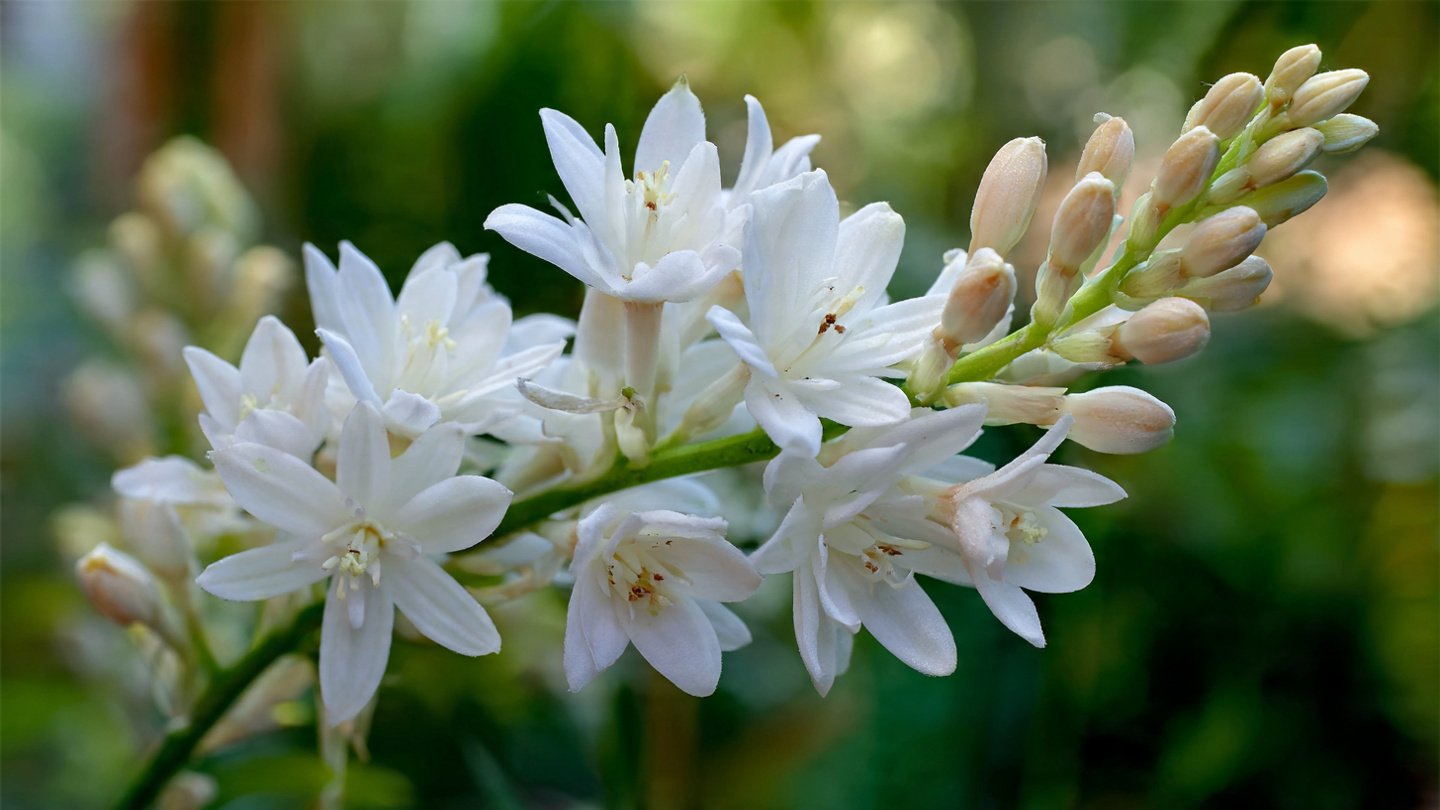
Tuberose (Agave amica), renowned for its intoxicating fragrance and stunning blossoms, is a must-have for any garden enthusiast. The plant, which flourishes in warm climates, is a member of the Agave family and is revered for its ornamental appeal. If you’re a beginner interested in growing tuberose at home, this guide will provide you with comprehensive insights into best practices, care tips, and a frequently asked questions (FAQs) section.
Understanding Tuberose
Characteristics
Latest Posts
- OnePlus Turbo 6V 5G Launched – for Gamers with 9000mAh Battery, 220MP Camera & Snapdragon 8s Gen 4
- Realme GT 8 Pro Officially Launched – 200MP Camera, 7,000mAh Battery and Snapdragon 8 Elite
- OPPO K13 Turbo 5G Launched – 7,000mAh Battery, 50MP Camera and High-Performance Chipset
- Realme 17 Pro 5G Unveiled – IP69K Certified, 200MP Camera and Massive 8600mAh Battery
- Vivo Premium Smartphone Launched – 200MP Camera, 90W Fast Charging and 16GB RAM
- POCO F8 Ultra Launched – Snapdragon Flagship Power, Bose Audio and Huge Battery
- POCO F8 Ultra Launched – Snapdragon Flagship Power, Bose Audio and Huge Battery
- OnePlus Nord 3 5G Launched – 120Hz AMOLED Display, 50MP Camera and 5,000mAh Battery
- OnePlus Nord CE4 Launched – Powerful Snapdragon 7 Gen 3, 50MP Camera and Long-Lasting Battery
- OnePlus Smartphone Revealed – Premium 5G Smartphone with 200MP Camera, 24GB RAM and 100W Fast Charging
Tuberose is characterized by its tall, slender stalks, which can grow up to three feet high, adorned with clusters of white trumpet-shaped flowers. The plants bloom in late summer to early fall and emit a sweet fragrance that is particularly strong at night.
Varieties
Various cultivars of tuberose exist, including the double and single-flowered types. The double-flowered variety is exceptionally popular for its lush appearance and fragrant blooms, making it a favorite in bouquets and floral arrangements.
Best Practices for Growing Tuberose at Home
1. Selecting the Right Location
Tuberose thrives in full sunlight; therefore, it’s crucial to choose a location that receives at least 6 to 8 hours of direct sunlight daily. An area with good air circulation and protection from extreme wind is ideal.
2. Soil Preparation
Tuberose prefers well-drained, sandy, or loamy soil with a pH of 6.0 to 7.0. To enhance soil fertility, add organic matter or compost to the planting area. This not only improves drainage but also provides the necessary nutrients for healthy growth.

Soil Testing
Before planting, consider conducting a soil test to determine its nutrient content and pH level. Based on the test results, you might need to amend the soil with lime to raise the pH or sulfur to lower it.
3. Planting Tuberose
Timing
The ideal time to plant tuberose is in the spring after the last frost date. In warmer climates, you may even plant them in early fall for early blooms the following year.
Planting Depth and Spacing
Plant tuberose bulbs about 2 inches deep and space them 12 to 15 inches apart. This spacing allows adequate airflow, reducing the risk of fungal diseases.
4. Watering
Tuberose requires consistent moisture, especially during the growing season. It’s vital to ensure that the soil remains damp but not waterlogged. Water the plants deeply once a week, adjusting the frequency based on rainfall and temperature.
Drip Irrigation
If possible, consider using a drip irrigation system to keep the soil consistently moist without overwatering, which can lead to bulb rot.

5. Fertilizing
To promote healthy growth, apply a balanced fertilizer (like 10-10-10) every 4-6 weeks during the growing season. Follow the recommended application rate based on the specific product you are using. Avoid over-fertilization, as this can harm the bulbs.
6. Pest and Disease Management
Regularly inspect your tuberose plants for common pests such as aphids, spider mites, and whiteflies. If you spot any pests, consider using insecticidal soap or neem oil as a treatment.
Fungal Diseases
To prevent fungal diseases, ensure proper air circulation and avoid overhead watering. If leaves begin to yellow or wither, it may be a sign of a fungal infection. Treating affected plants promptly with a fungicide can save them from further damage.
7. Supporting Growth
As tuberose plants can become top-heavy during bloom, install stakes or cages if necessary to support the plants. This will prevent them from toppling over and allow blooms to stand tall.
8. Harvesting Flowers
When the flowers of the tuberose begin to open, they can be cut for bouquets. It’s best to harvest in the morning when buds have just started to open, as this will prolong their lifespan in arrangements.

9. End-of-Season Care
After the blooming period, allow the foliage to die back naturally, as it provides nourishment to the bulbs for the next season. Once the leaves turn yellow and die, cut them back and lift the bulbs if you live in a colder climate. Store them in a cool, dry place until spring.
10. Propagation
Tuberose can be propagated by division. In early spring, dig up the bulbs and gently separate the offsets. Re-plant them immediately to encourage growth.
Additional Tips for Successful Growth
- Mulching: Apply a layer of mulch to reduce water evaporation and suppress weeds. This will also help regulate soil temperature.
- Climate Considerations: Tuberose thrives in USDA zones 8-11. For those in cooler climates, consider growing them in pots to bring them indoors during winter.
- Companion Planting: Planting tuberose with marigolds or basil can deter pests naturally while enhancing the overall beauty of your garden.
Conclusion
Growing tuberose at home can be a rewarding and fragrant experience. By following these best practices, you’ll be well on your way to nurturing these beautiful and aromatic flowers. With a little patience and care, your home garden will flourish with the enchanting blooms of tuberose.
FAQs
1. How long does it take for tuberose to bloom?

Tuberose typically takes about 3 to 4 months from planting to bloom.
2. Can tuberose grow in pots?
Yes, tuberose can be grown in pots; just ensure the container has good drainage and is placed in a sunny spot.
3. How often should I water tuberose?
Water tuberose once a week, allowing the soil to dry out slightly between waterings.
4. What pests commonly affect tuberose?
Common pests include aphids, spider mites, and whiteflies.
5. Is tuberose frost-sensitive?
Yes, tuberose is sensitive to frost. Protect young plants during cold weather or lift bulbs for winter storage in cooler climates.
6. Can I propagate tuberose from cuttings?
Tuberose is best propagated by bulbs or offsets rather than cuttings.

7. What type of fertilizer is best for tuberose?
A balanced fertilizer (10-10-10) works well for tuberose.
8. Do tuberose attract bees and butterflies?
Yes, tuberose flowers are highly attractive to bees and butterflies, making them excellent for pollinator gardens.
9. Can I grow tuberose indoors?
It’s possible to grow them indoors, but they require sufficient light and space.
10. What should I do if my tuberose bulbs don’t bloom?
Ensure they receive adequate sunlight, water, and nutrients. Bulbs may take longer to bloom if conditions aren’t ideal.
By utilizing the tips and information found in this article, you’ll be poised for success as you embark on your journey to grow tuberose at home. Happy gardening!
Leave a Reply