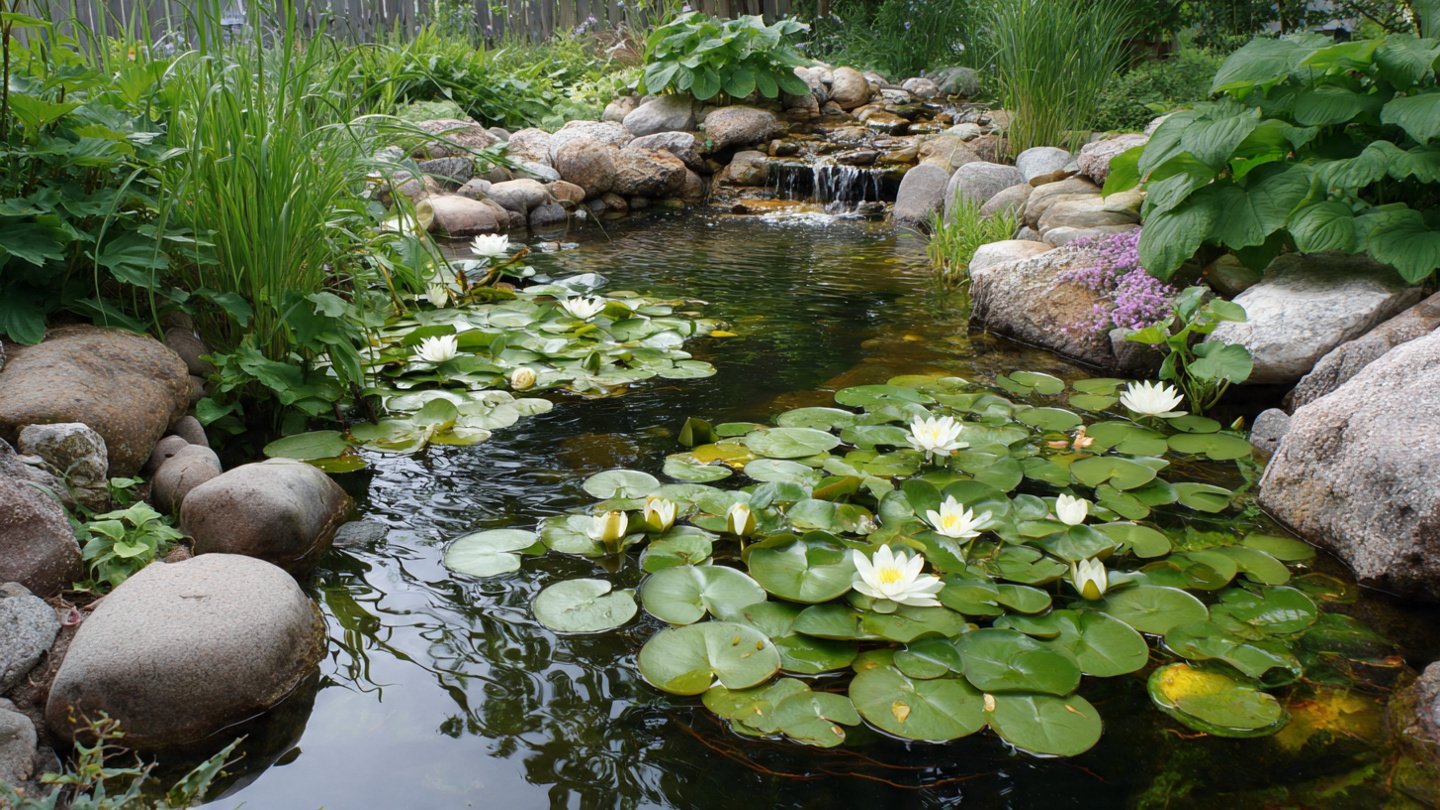
Creating a backyard pond can transform a simple outdoor space into a serene retreat, and one of the most stunning additions you can make is the water lily. These beautiful aquatic plants not only enhance the visual appeal of your pond but also contribute to the pond’s ecosystem by providing oxygen and shade for fish and other aquatic creatures. In this article, we will explore the essential tips for successfully growing water lilies in your backyard pond, along with a frequently asked questions (FAQs) section at the end.
1. Choose the Right Species
Water lilies come in various species and hybrids, each suited to different climate zones and pond conditions. The primary types include:
Latest Posts
- OnePlus Turbo 6V 5G Launched – for Gamers with 9000mAh Battery, 220MP Camera & Snapdragon 8s Gen 4
- Realme GT 8 Pro Officially Launched – 200MP Camera, 7,000mAh Battery and Snapdragon 8 Elite
- OPPO K13 Turbo 5G Launched – 7,000mAh Battery, 50MP Camera and High-Performance Chipset
- Realme 17 Pro 5G Unveiled – IP69K Certified, 200MP Camera and Massive 8600mAh Battery
- Vivo Premium Smartphone Launched – 200MP Camera, 90W Fast Charging and 16GB RAM
- POCO F8 Ultra Launched – Snapdragon Flagship Power, Bose Audio and Huge Battery
- POCO F8 Ultra Launched – Snapdragon Flagship Power, Bose Audio and Huge Battery
- OnePlus Nord 3 5G Launched – 120Hz AMOLED Display, 50MP Camera and 5,000mAh Battery
- OnePlus Nord CE4 Launched – Powerful Snapdragon 7 Gen 3, 50MP Camera and Long-Lasting Battery
- OnePlus Smartphone Revealed – Premium 5G Smartphone with 200MP Camera, 24GB RAM and 100W Fast Charging
-
Hardy Water Lilies (Nymphaea): These are ideal for temperate climates. They can survive winter by going dormant, making them suitable for regions with cold winters.
-
Tropical Water Lilies (Nymphaea spp.): Best for warmer climates, these require warm water to thrive. They produce more blooms and typically have vibrant foliage.
Before planting, research which species will thrive in your particular climate and pond conditions.
2. Assess Your Pond’s Depth
The depth of your pond is crucial for the successful growth of water lilies. Generally, hardy water lilies prefer a depth of 12 to 24 inches (30 to 61 cm), while tropical varieties need deeper water, typically around 18 to 36 inches (46 to 91 cm).
Tips for Depth Assessment:
- Use a measuring tape to determine the pond’s depth at various points.
- Ensure there are both shallow areas (for planting) and deeper areas (for fish and other aquatic life).
3. Set Up Proper Sunlight Conditions
Water lilies thrive in full sun to partial shade, requiring about 6 to 8 hours of sunlight each day.

Tips for Sunlight Management:
- Location: Position your pond in an area that receives ample sunlight but is also protected from harsh winds.
- Surrounding Vegetation: Ensure that overhanging trees don’t block sunlight and avoid planting shade-producing plants around the pond.
4. Prepare the Pond Bottom
Water lilies need a stable substrate for their roots. The pond bottom should be prepared to support healthy growth.
Steps to Prepare the Substrate:
- Remove Debris: Clear the pond bottom of rocks, branches, and other debris that could hinder the growth of your plants.
- Use a Clay-Based Soil: Water lilies prefer heavy, clay-like soil that retains moisture and nutrients. Avoid sandy or loose soil as it can wash away.
- Depth Consideration: When placing the pot in the pond, ensure that the top of the pot is submerged at the appropriate depth based on the variety you choose.
5. Planting Water Lilies Correctly
Once you have the right species and pond conditions established, it’s time for planting.
Steps for Planting:
-
Select a Planting Container: Use a shallow, wide container to allow for the sprawling roots of water lilies. Make sure there are drainage holes, but not too large that the soil will wash away.
-
Fill the Container: Add your clay-based soil to the pot, leaving about 2-3 inches (5-8 cm) of space at the top for water.
-
Introduce the Plant: Carefully remove the water lily from its nursery pot and loosen any tightly bound roots. Place it in the center of the container, gently spreading out the roots.
-
Cover the Roots: Fill in around the roots with soil, being careful not to bury the crown of the plant.
-
Weight the Container: Add a layer of gravel or small stones on top of the soil to minimize the chances of soil washing away and to keep the plant secure in the container.

6. Fertilizing
Water lilies benefit from regular fertilization, especially during the growing season.
Fertilization Tips:
- Use Aquatic Plant Fertilizer: Choose a slow-release, tablet-style fertilizer specifically designed for aquatic plants.
- Timing: Fertilize in early spring as the water warms up and again mid-season to support vigorous growth.
7. Seasonal Care
Seasonal adjustments are vital for maintaining the health of your water lilies.
Spring Care:
- Inspect your pond after winter. Remove any debris that accumulated and check the lilies for signs of new growth.
- If your hardy lilies have gone dormant, trim any dead leaves away.
Summer Care:
- Regularly check for excessive algae growth, which can compete with water lilies for nutrients and sunlight.
- Monitor water levels in your pond. During hot summer months, you may need to top off the pond due to evaporation.
Fall Care:

- As temperatures drop, cut back the foliage of your water lilies.
- For hardy varieties, you can leave the pots in the pond and allow them to go dormant. Tropical varieties should be brought indoors before the first frost.
Winter Care:
- Hardy water lilies will remain submerged during winter, so ensure the water level is sufficient to cover the pots.
- Tropical water lilies need to be moved indoors or to a heated greenhouse before the temperature drops significantly.
8. Manage Pests and Disease
While water lilies are relatively resilient, they are still susceptible to certain pests and diseases.
Common Pests:
- Aphids: Small insects can be removed by hosing them off or using insecticidal soap.
- Snails: While some snails are beneficial, others can damage foliage. Consider using a natural predator like certain fish.
Common Diseases:
- Crown Rot: Look for soft, discolored areas on the plant and remove affected parts immediately.
- Powdery Mildew: Manage this fungal issue by increasing air circulation and avoiding overcrowding.
9. Incorporate Fish and Other Aquatic Life
Adding fish and other aquatic life not only enhances the pond ecosystem but also provides added interest to your water lily display.
Fish Recommendations:
- Goldfish: Hardy and won’t eat your water lilies. They help control algae.
- Koi: Larger and more colorful, but keep in mind they can nibble on lily pads.

Additional Aquatic Plants:
Consider mixing in other aquatic plants like:
- Floating Plants: Such as water hyacinths or duckweed that provide additional shade and cover.
- Marginal Plants: Planting around the edges will also beautify the pond while balancing the ecosystem.
10. Maintenance and Observation
Regular maintenance and observation are vital for the successful growth of your water lilies.
Key Maintenance Tasks:
- Check Water Quality: Keep an eye on pH and nutrient levels to ensure optimal growth.
- Prune: Regularly trim dead or damaged leaves to encourage healthy growth and clear the view of your lilies.
- Monitor Growth: Document growth patterns and watch for changes that may indicate health issues.
FAQs
1. How deep should my pond be for water lilies?
- Hardy water lilies prefer a depth of 12-24 inches, while tropical varieties thrive at 18-36 inches.
2. How much sunlight do water lilies need?
- Water lilies require about 6-8 hours of direct sunlight daily to grow well.

3. Can I grow water lilies in a container?
- Yes, water lilies can be grown in containers as long as they provide enough space for the roots and have drainage holes.
4. How often should I fertilize my water lilies?
- It’s recommended to fertilize water lilies every 4-6 weeks during the growing season using a slow-release aquatic plant fertilizer.
5. What do I do when winter comes?
- Hardy water lilies can remain in the pond during winter, but tropical varieties must be moved to a warmer location before freezing temperatures.
6. How can I prevent algae growth?
- Regularly monitor and adjust nutrient levels in the pond, and consider introducing fish that eat algae or adding aquatic plants that compete for available nutrients.
7. What pests should I watch for?
- Common pests include aphids and snails. These can be managed with natural remedies or by introducing beneficial insects.
8. Are water lilies safe for fish?
- Yes, water lilies provide shade and cover for fish and are safe for them as long as you choose adequate species.
Conclusion
Growing water lilies in your backyard pond can create a tranquil aesthetic that enhances your outdoor living space. By understanding the specific requirements of these beautiful plants—including species selection, planting techniques, and maintenance—you can cultivate a thriving aquatic garden that not only beautifies your pond but also supports local ecology. With the right care and attention, your water lilies can flourish and provide years of enjoyment.
Leave a Reply