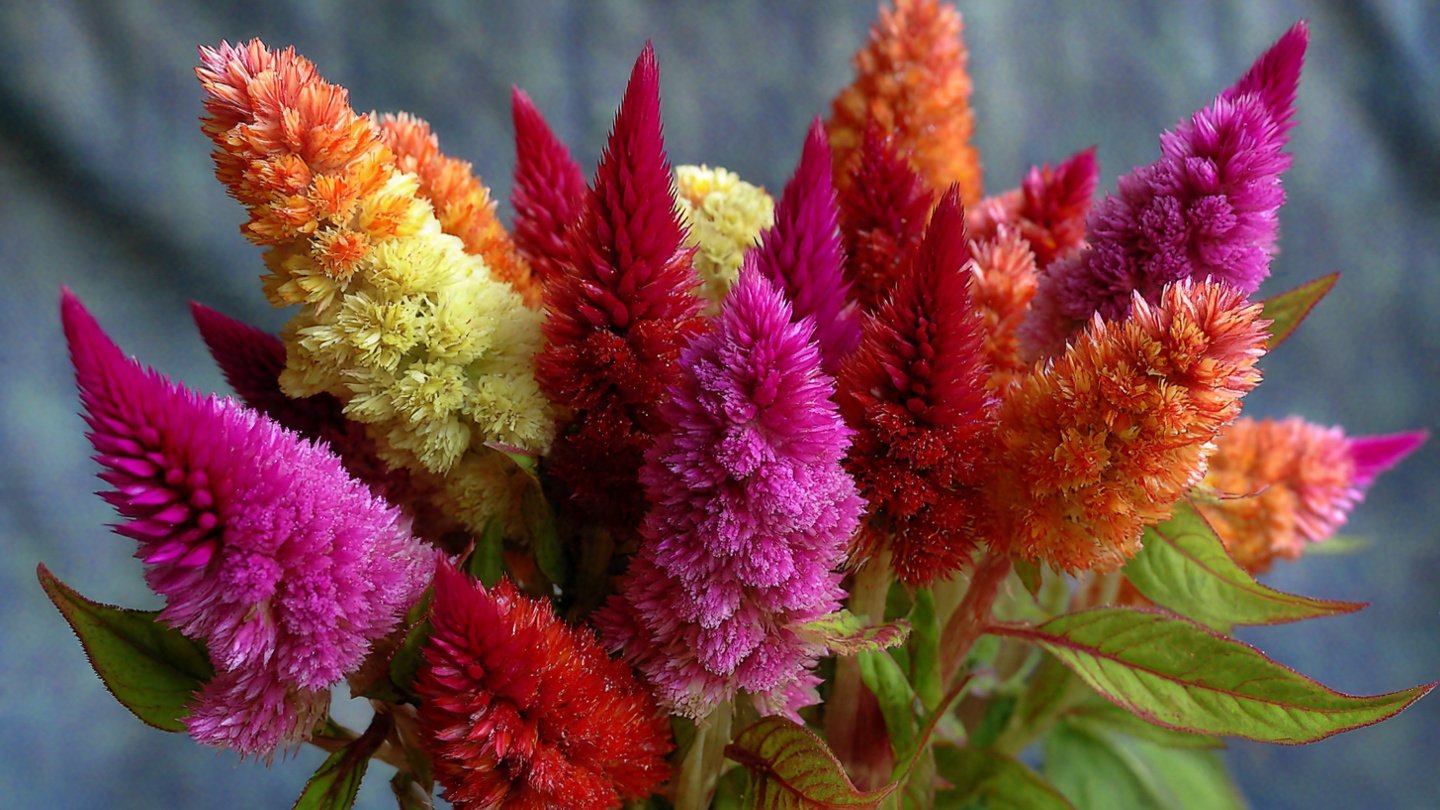
Growing celosia cockscomb at home can be a rewarding endeavor, offering vibrant colors and unique textures to your garden or indoor space. Known for their distinctive, flame-like flower heads, celosia cockscomb plants (Celosia argentea) are relatively easy to cultivate and necessitate minimal care. This guide aims to provide you with a straightforward roadmap for successful cultivation, ensuring that you can enjoy these remarkable plants without any complications.
Understanding Celosia Cockscomb
Celosia cockscomb originates from tropical regions of Africa and the Americas. The plant is characterized by its striking flower heads that resemble a rooster’s comb, hence the name. These flowers come in various colors including pink, red, yellow, and orange, making them a popular choice for borders, garden beds, and as cut flowers. Celosia grows as a tender annual in most climates, thriving in warm temperatures.
Latest Posts
- OnePlus Turbo 6V 5G Launched – for Gamers with 9000mAh Battery, 220MP Camera & Snapdragon 8s Gen 4
- Realme GT 8 Pro Officially Launched – 200MP Camera, 7,000mAh Battery and Snapdragon 8 Elite
- OPPO K13 Turbo 5G Launched – 7,000mAh Battery, 50MP Camera and High-Performance Chipset
- Realme 17 Pro 5G Unveiled – IP69K Certified, 200MP Camera and Massive 8600mAh Battery
- Vivo Premium Smartphone Launched – 200MP Camera, 90W Fast Charging and 16GB RAM
- POCO F8 Ultra Launched – Snapdragon Flagship Power, Bose Audio and Huge Battery
- POCO F8 Ultra Launched – Snapdragon Flagship Power, Bose Audio and Huge Battery
- OnePlus Nord 3 5G Launched – 120Hz AMOLED Display, 50MP Camera and 5,000mAh Battery
- OnePlus Nord CE4 Launched – Powerful Snapdragon 7 Gen 3, 50MP Camera and Long-Lasting Battery
- OnePlus Smartphone Revealed – Premium 5G Smartphone with 200MP Camera, 24GB RAM and 100W Fast Charging
Benefits of Growing Celosia Cockscomb
- Visual Appeal: The unique shape and vibrant colors add a distinctive flair to gardens.
- Pollinator-Friendly: The flowers attract bees and butterflies, enhancing biodiversity.
- Drought Tolerance: Once established, celosia cockscomb can withstand dry conditions.
- Easy Maintenance: They require minimal care and are resistant to many common pests.
Preparing to Grow Celosia Cockscomb
Choosing the Right Location
When selecting a location for your celosia cockscomb, consider the following:
- Sunlight: Celosia thrives in full sun, requiring at least 6 to 8 hours of direct sunlight daily.
- Soil: Opt for well-draining soil rich in organic matter. A pH level between 6.0 and 7.0 is ideal.

Planting Time
Celosia cockscomb can be directly seeded in the garden after the last frost or started indoors 4-6 weeks before the last expected frost date. If you plan to start from seeds, here’s what you need to do:
- Gather Supplies: You will need quality seeds, seed trays or pots, potting mix, and a watering can.
- Seed Starting: Fill the trays or pots with potting mix, moisten it slightly, and then sow the seeds on top. It’s ideal to barely cover the seeds as they require light to germinate.
- Maintain Moisture: Use a plastic cover or plastic wrap to keep humidity high until germination, which usually takes 10-14 days.
Caring for Celosia Cockscomb
Once your celosia plants are established, follow these care guidelines:
Watering
Celosia cockscomb prefers consistent moisture but be cautious of overwatering as it can lead to root rot. Water the plants when the top inch of soil feels dry. During prolonged dry spells, ensure they receive adequate hydration.
Fertilization
While celosia can thrive in nutrient-rich soil, regular feeding can promote better growth and flowering. Use a balanced, water-soluble fertilizer every four to six weeks throughout the growing season.

Pruning
Regular pruning can enhance airflow and prevent disease. Remove any dead or wilted flowers to encourage new blooms and maintain a neat appearance.
Pest Management
Celosia cockscomb is relatively pest-resistant, but keep an eye out for aphids and spider mites. If you encounter pests, consider using insecticidal soap or neem oil as organic solutions.
Propagating Celosia Cockscomb
Celosia cockscomb can be propagated through seeds or cuttings:
Seed Propagation
- Wait until the flowers have dried and the seed heads turn brown.
- Harvest the seeds and store them in a cool, dry place until ready to plant.
Cutting Propagation
- In early summer, take cuttings from healthy plants.
- Remove lower leaves and dip the cut end in rooting hormone.
- Plant in a pot filled with moist potting mix and cover with a plastic bag to maintain humidity.
- Once established roots are noted, transplant them into the garden.

Creating A Celosia Cockscomb Display
Planning the Layout
Celosia cockscomb can be planted in rows, grouped in clusters, or mixed with other flowering plants. Consider contrasting foliage plants to highlight the vibrant colors of celosia.
Companion Planting
Great companion plants include marigolds, which help deter pests, and zinnias, which share similar care requirements and enhance visual appeal.
Harvesting Celosia Cockscomb
If you wish to use celosia cockscomb as cut flowers, here’s how to do it:
- Harvest in the morning when flowers are fully open but before they start to wilt.
- Use sharp scissors or shears to cut stems, leaving a few leaves on the plant.
- Place cut flowers in water immediately to prolong their freshness.

Potential Challenges
Weather Sensitivity
Celosia is sensitive to frost; thus, protect your plants if frost is expected by covering them with cloths or moving pots indoors.
Diseases
Fungal diseases such as powdery mildew can occur in humid conditions. Ensure proper spacing and airflow to minimize risks.
Conclusion
Celosia cockscomb is an outstanding choice for gardeners looking to add unique and vibrant colors to their spaces. With the right planning and care, you can enjoy a flourishing display that lasts throughout the summer. By following this simple guide, you’ll be well on your way to successfully growing celosia cockscomb at home without complications.
FAQs
1. How often should I water celosia cockscomb?
- Water once the top inch of soil is dry. Generally, this may translate to 1-2 times a week, depending on weather conditions.
2. Can I grow celosia in containers?

- Yes, celosia cockscomb is ideal for containers. Ensure your pot has drainage holes and use a quality potting mix.
3. Is celosia cockscomb edible?
- While it is technically not toxic, celosia is not commonly used as food. It’s primarily grown for ornamental purposes.
4. How can I keep pests away from my celosia plants?
- Regularly inspect your plants, keep the area clean, and encourage beneficial insects such as ladybugs. Use insecticidal soap if needed.
5. What are the best temperatures for growing celosia cockscomb?
- Celosia prefers warm temperatures, ideally between 70°F to 85°F (21°C to 29°C). Avoid cold drafts and frosts.
With these tips and insights, you can embark on your journey of growing celosia cockscomb at home, creating a vibrant, colorful addition to your garden or indoor space! Happy gardening!
Leave a Reply