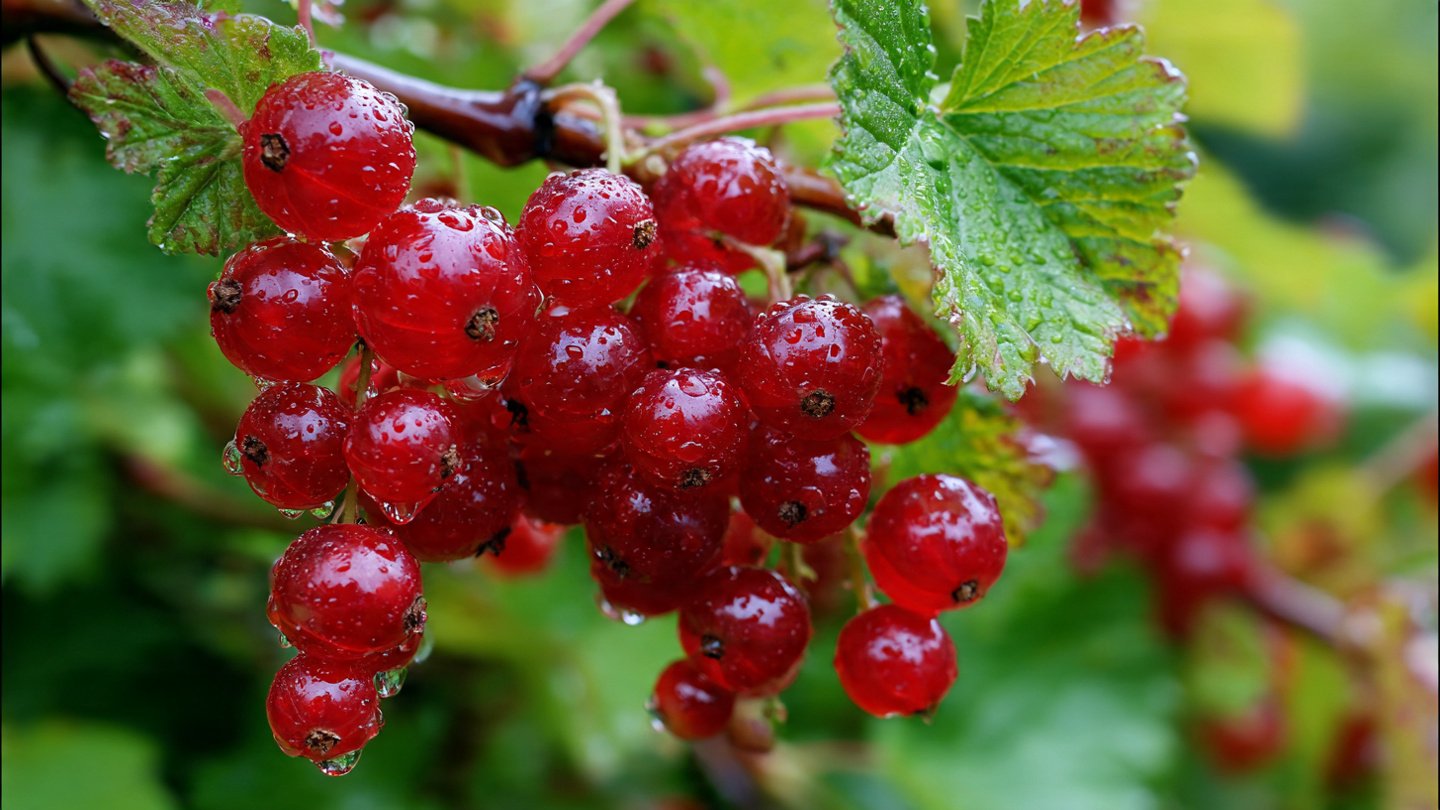
Redcurrants (Ribes rubrum) are small, tart berries with a vibrant red color that thrive under various climatic conditions, making them a suitable choice for Canadian gardens. This comprehensive guide will lead you through the essential steps to successfully grow redcurrants in Canada, from soil requirements to care and maintenance, pest management, and harvesting techniques.
Understanding Redcurrants
What are Redcurrants?
Latest Posts
- OnePlus Turbo 6V 5G Launched – for Gamers with 9000mAh Battery, 220MP Camera & Snapdragon 8s Gen 4
- Realme GT 8 Pro Officially Launched – 200MP Camera, 7,000mAh Battery and Snapdragon 8 Elite
- OPPO K13 Turbo 5G Launched – 7,000mAh Battery, 50MP Camera and High-Performance Chipset
- Realme 17 Pro 5G Unveiled – IP69K Certified, 200MP Camera and Massive 8600mAh Battery
- Vivo Premium Smartphone Launched – 200MP Camera, 90W Fast Charging and 16GB RAM
- POCO F8 Ultra Launched – Snapdragon Flagship Power, Bose Audio and Huge Battery
- POCO F8 Ultra Launched – Snapdragon Flagship Power, Bose Audio and Huge Battery
- OnePlus Nord 3 5G Launched – 120Hz AMOLED Display, 50MP Camera and 5,000mAh Battery
- OnePlus Nord CE4 Launched – Powerful Snapdragon 7 Gen 3, 50MP Camera and Long-Lasting Battery
- OnePlus Smartphone Revealed – Premium 5G Smartphone with 200MP Camera, 24GB RAM and 100W Fast Charging
Redcurrants belong to the gooseberry family and are known for their refreshing tartness. Full of vitamins, particularly Vitamin C and antioxidants, these berries can be consumed fresh or used in jellies, juices, and desserts.
Growing Zones
Redcurrants are hardy in USDA zones 3-7, making them well-suited to various Canadian climates, from the relatively mild coastal regions to the colder interior provinces. Before planting, it’s essential to identify your growing zone to select the right cultivars.
Choosing the Right Variety
Several redcurrant cultivars are popular in Canada:
-
Red Lake: A high-yielding variety that produces large, translucent berries with a sweet-tart flavor.
-
Jungerman: Known for its flavorful and sugar-rich berries, it is often resistant to fungal diseases.
-
Rovada: This variety is appreciated for its resilient nature and excellent fruiting capabilities.
Selecting the appropriate variety based on your locality and preferences is crucial for a successful harvest.

Preparing the Site
Soil Type
Redcurrants prefer well-drained, loamy soil rich in organic matter. Aim for a pH level between 6.0 and 6.8. Perform a soil test to determine your soil’s pH and nutrient composition. If your soil is overly acidic or alkaline, you can amend it with lime (to raise pH) or sulfur (to lower pH).
Sunlight Requirements
These plants thrive in full sun to partial shade. Ideally, they should receive at least 6 hours of sunlight daily, particularly in regions with shorter growing seasons. Morning sun exposure helps dry the foliage quickly, reducing the risk of fungal diseases.
Planting Location
Choose a location that is sheltered from harsh winds and has good air circulation. Adequate space between plants is crucial for ensuring airflow and minimizing disease pressures. Plan for a spacing of about 3-4 feet (1-1.2 meters) between each plant.
Planting Redcurrants
When to Plant
The best time to plant redcurrants in Canada is in early spring after the last frost, or in fall. Spring planting gives the plants enough time to establish before the heat of summer, while fall planting takes advantage of cooler temperatures.
Planting Steps
-
Prepare the Soil: Amend the soil with compost and well-rotted manure to enhance fertility.
-
Dig Holes: Create planting holes twice as wide as the root ball and the same depth.
-
Positioning: Place the plant in the hole ensuring the crown (where the stem meets the roots) is level with the soil surface.
-
Backfill: Fill in the hole gently, firming the soil around the roots.
-
Watering: Water the plants thoroughly after planting to remove air pockets and ensure good soil-to-root contact.

Care and Maintenance
Watering
During the first year, ensure your redcurrants receive consistent moisture to help establish a strong root system. Water deeply but infrequently to encourage deep root growth. Once established, the plants are relatively drought-tolerant but will benefit from regular watering during dry spells, particularly when the fruit is developing.
Fertilizing
Apply a balanced fertilizer in early spring just before new growth begins. Organic fertilizers, such as fish emulsion or seaweed extract, can provide essential nutrients without overwhelming the plants.
Pruning
Pruning is essential to maintaining healthy plants and optimizing fruit production.
-
When to Prune: Late winter or early spring before new growth begins is ideal.
-
How to Prune: Remove any dead, damaged, or crossing branches. Thin out older canes that are more than 3 years old to encourage new growth, which is more productive.
-
Encouraging Shape: Aim for an open-center structure to allow sunlight and air movement.
Pest and Disease Management

While redcurrants are relatively hardy, they can be susceptible to pests and diseases.
Common Pests
-
Leaf Spot: Causes leaf discoloration. Prevent it by ensuring proper airflow and avoiding overhead watering.
-
Spider Mites: These tiny pests can damage leaves. Use insecticidal soap or strong water jets to manage them.
Common Diseases
-
Powdery Mildew: Seen as a white, powdery substance on leaves. Fungal treatments and good air circulation can help manage this.
-
Gray Mold: Usually occurs in high humidity. Remove affected areas and ensure plants aren’t too densely packed.
Supporting Growth
Redcurrants can grow tall and may require support as they mature. Installing trellises can help keep the branches upright while providing a convenient method for harvesting.
Harvesting Redcurrants
When to Harvest
Redcurrants are typically ready for harvest in mid to late summer, depending on the variety and specific growing conditions. The berries should be bright red and have a slight bounce when gently squeezed.
How to Harvest

Harvesting should be done carefully to avoid damaging the plants. Use scissors or pruners to cut the stems just above the berry cluster. This not only harvests the fruit but also encourages continual production of new berries.
Post-Harvest Care
After harvesting, quickly refrigerate the berries to maintain their freshness. They can be used fresh or preserved via freezing, canning, or making jams. Clean up fallen fruit around the plant to minimize pest attraction and fungal growth.
Overwintering Your Redcurrants
In colder climates, protecting redcurrants during the winter months is essential. A layer of mulch can help insulate the roots. In extremely cold areas, consider wrapping the base of the plants with burlap to provide additional protection from harsh winds.
Common Challenges
Wildlife
Berries attract birds, so consider using nets to protect your crops. Keep in mind that feeding stations for birds can also help keep them away from your crops.
Weather Extremes
Unexpected late frosts or cold spells during flowering can lead to poor fruit set. Consider using row covers to protect your plants during vulnerable periods.
FAQs
1. Can redcurrants grow in containers?
- Yes, redcurrants can be successfully grown in containers, provided the pot has adequate drainage and sufficient soil depth.
2. How often should I water my redcurrants?

- Water is critical in the first year; establish consistency in watering. Once established, ensure proper moisture during flowering and fruit development.
3. Do redcurrants require a pollinator?
- No, redcurrants are largely self-pollinating and do not require other plants for fruit set.
4. What are the signs of overwatering?
- Yellowing leaves, wilting, or root rot are signs of overwatering. Ensure that your soil drains well.
5. How long will it take before my redcurrants produce fruit?
- Redcurrants generally take about 2-3 years to produce a good harvest, depending on variety and care.
Conclusion
Growing redcurrants can be a fulfilling endeavor for any Canadian gardener. With their adaptability to different climates, nutritional benefits, and low maintenance requirements, these berries are an excellent choice for home gardens. By following the steps outlined in this guide, you’ll be well on your way to enjoying bountiful harvests of delicious redcurrants. Happy gardening!
Leave a Reply