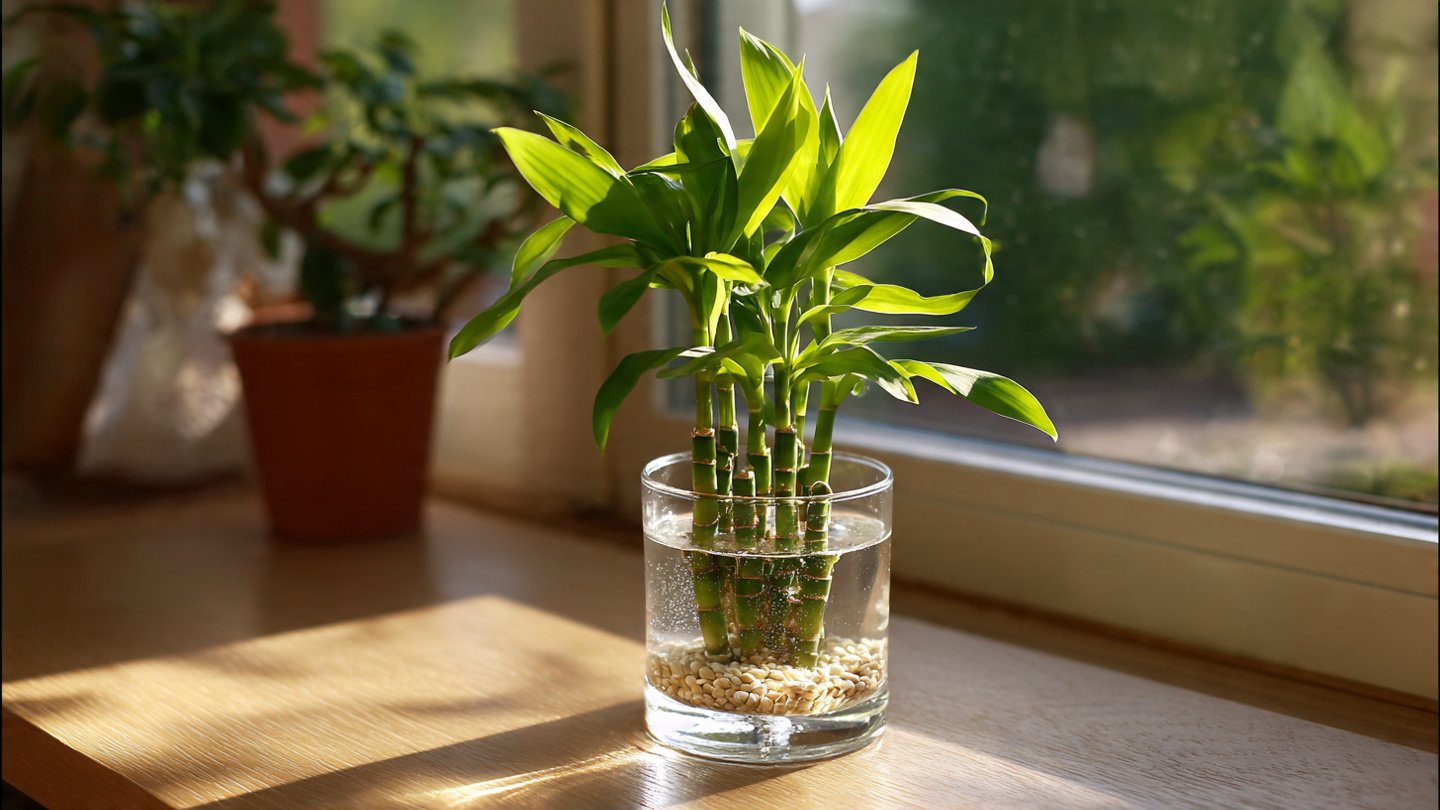
Lucky bamboo (Dracaena sanderiana) is not only a beautiful addition to indoor spaces, but it’s also steeped in symbolism and feng shui principles. Considered to bring good fortune, this hardy plant is relatively easy to care for, making it a popular choice for both novice and experienced gardeners. Below, we will explore various methods to grow lucky bamboo, ensuring that it thrives in your home.
Understanding Lucky Bamboo
Origins and Symbolism
Latest Posts
- OnePlus Turbo 6V 5G Launched – for Gamers with 9000mAh Battery, 220MP Camera & Snapdragon 8s Gen 4
- Realme GT 8 Pro Officially Launched – 200MP Camera, 7,000mAh Battery and Snapdragon 8 Elite
- OPPO K13 Turbo 5G Launched – 7,000mAh Battery, 50MP Camera and High-Performance Chipset
- Realme 17 Pro 5G Unveiled – IP69K Certified, 200MP Camera and Massive 8600mAh Battery
- Vivo Premium Smartphone Launched – 200MP Camera, 90W Fast Charging and 16GB RAM
- POCO F8 Ultra Launched – Snapdragon Flagship Power, Bose Audio and Huge Battery
- POCO F8 Ultra Launched – Snapdragon Flagship Power, Bose Audio and Huge Battery
- OnePlus Nord 3 5G Launched – 120Hz AMOLED Display, 50MP Camera and 5,000mAh Battery
- OnePlus Nord CE4 Launched – Powerful Snapdragon 7 Gen 3, 50MP Camera and Long-Lasting Battery
- OnePlus Smartphone Revealed – Premium 5G Smartphone with 200MP Camera, 24GB RAM and 100W Fast Charging
Native to the rainforests of Africa and Southeast Asia, lucky bamboo is not actually a bamboo but a member of the Dracaena family. It’s widely believed that the number of stalks in a lucky bamboo arrangement represents different blessings: one stalk for good luck, two for love, three for happiness, four for death, five for health, and so on.
Growth Conditions
Lucky bamboo thrives in controlled indoor environments, making it suitable for homes and offices. Its ability to adapt to low light and varying humidity levels makes it a resilient choice.
Methods to Grow Lucky Bamboo
1. Choosing the Right Container
- Material: Lucky bamboo can be grown in various containers, including glass vases, pots, or even aquariums. Glass vases allow you to showcase the root system, adding aesthetic appeal.
- Drainage: If using a pot, ensure it has good drainage. Stagnant water can lead to root rot.

2. Selecting the Right Water
- Distilled Water: Using distilled or filtered water is ideal because it lacks chemicals that can harm the plant.
- Change Water Regularly: If growing in water, replace it every two weeks to prevent algae growth and ensure the plant receives fresh nutrients.
3. Selecting the Proper Location
- Lighting Conditions: Lucky bamboo prefers indirect light. Direct sunlight can scorch the leaves, so place it near a north or east-facing window.
- Temperature and Humidity: Keep the plant in a moderate temperature range, ideally between 60°F and 80°F (15°C to 27°C). A humid environment is also beneficial, so misting the leaves occasionally can help.
4. Growing in Soil
If you prefer to grow lucky bamboo in soil instead of water, choose a well-draining potting mix.
- Soil Type: Use a potting mix designed for houseplants or a cactus mix that provides good drainage.
- Watering: Water the soil when the top inch feels dry. Ensure that excess water drains out to prevent root rot.
5. Fertilizing

While lucky bamboo does not require heavy fertilization, providing it with the right nutrients can enhance its growth and appearance.
- Fertilizer Type: Use a diluted liquid fertilizer, ideally one designed for houseplants, every month during the growing season (spring and summer).
- Frequency: Reduce fertilization during fall and winter when the plant’s growth slows down.
6. Pruning and Shaping
- Trim Excess Growth: To maintain the shape and encourage bushier growth, prune the leaves and stalks periodically.
- Shape the Growth: You can train your lucky bamboo to grow in specific shapes or patterns by rotating the plant periodically to ensure even light exposure.
7. Propagation
Lucky bamboo can be easily propagated through cuttings.
- Cuttings: Take a cutting of a healthy stalk and place it in water until it develops roots.
- Multiple Stalks: To create a fuller arrangement, you can combine multiple stalks in one vase.

Troubleshooting Common Problems
1. Yellowing Leaves
Yellow leaves can be indicative of several issues:
- Overwatering: Ensure you’re not keeping the plant in waterlogged conditions. Allow the water to drain properly.
- Too Much Sunlight: Ensure the plant is not getting direct sunlight.
2. Brown Tips on Leaves
Brown tips can be a sign of several factors:
- Low Humidity: Misting the plant regularly can help.
- Fluoride in Water: If using tap water, consider switching to distilled water to prevent fluoride damage.
3. Root Rot
Root rot occurs when the roots sit in stagnant water:

- Prevention: Ensure your bamboo has proper drainage if planted in soil or change the water regularly when in a vase.
Tips for Thriving Indoor Lucky Bamboo
- Rotate Regularly: To promote even growth, rotate your plant every few weeks.
- Use Clean Containers: Regularly clean the container to keep algae and bacteria at bay.
- Minimalist Approach: Avoid cluttering your indoor space with too many plants, as this may affect the humidity and light availability for each plant.
FAQs
1. How often should I water my lucky bamboo?
Water your lucky bamboo when the top inch of the soil feels dry or if the water level decreases significantly if grown in a vase. Aim to change the water every two weeks.
2. Can lucky bamboo grow in low light conditions?
Yes, lucky bamboo can tolerate low light conditions. However, for optimal growth, aim for indirect sunlight.

3. Does lucky bamboo need a lot of fertilizer?
No, lucky bamboo doesn’t require heavy fertilization. Apply a diluted liquid fertilizer monthly during the growing season and reduce during the winter months.
4. How can I propagate my lucky bamboo?
You can propagate lucky bamboo by cutting a healthy stalk and placing it in water until roots develop. Once rooted, you can transfer it to soil or continue growing it in water.
5. What should I do if my lucky bamboo leaves turn yellow?
Yellowing leaves can indicate overwatering or too much sunlight. Check your watering schedule and ensure the plant is not in direct sunlight.
Conclusion
Growing lucky bamboo is an enriching experience that can beautify your home while potentially attracting positive energy. By understanding the plant’s needs and following the best practices outlined above, you can create a vibrant indoor garden that thrives and flourishes for years to come.
Leave a Reply