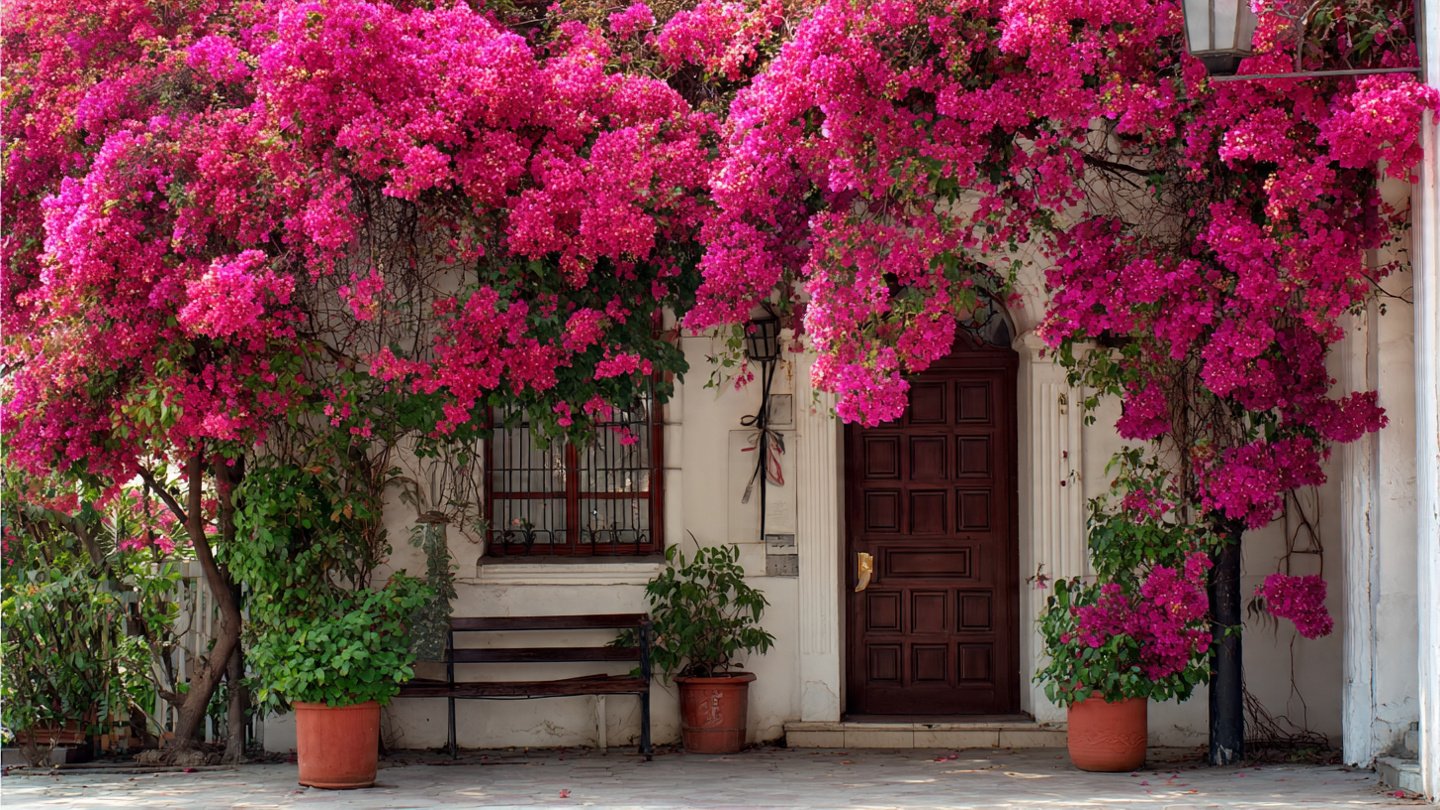
Bougainvillea, with its vibrant colors and exuberant blooms, is a favorite among gardeners looking to elevate their outdoor spaces. This hardy plant, native to South America, is known for its stunning clusters of bracts that come in hues of purple, pink, red, and white. In this guide, we will walk you through the process of growing bougainvillea, from the initial planting to maintenance, ensuring that your garden becomes a breathtaking display of color.
Choosing the Right Variety
Bougainvillea comes in several varieties, each offering different flower colors and growth habits. Before planting, consider the following popular types:
Latest Posts
- OnePlus Turbo 6V 5G Launched – for Gamers with 9000mAh Battery, 220MP Camera & Snapdragon 8s Gen 4
- Realme GT 8 Pro Officially Launched – 200MP Camera, 7,000mAh Battery and Snapdragon 8 Elite
- OPPO K13 Turbo 5G Launched – 7,000mAh Battery, 50MP Camera and High-Performance Chipset
- Realme 17 Pro 5G Unveiled – IP69K Certified, 200MP Camera and Massive 8600mAh Battery
- Vivo Premium Smartphone Launched – 200MP Camera, 90W Fast Charging and 16GB RAM
- POCO F8 Ultra Launched – Snapdragon Flagship Power, Bose Audio and Huge Battery
- POCO F8 Ultra Launched – Snapdragon Flagship Power, Bose Audio and Huge Battery
- OnePlus Nord 3 5G Launched – 120Hz AMOLED Display, 50MP Camera and 5,000mAh Battery
- OnePlus Nord CE4 Launched – Powerful Snapdragon 7 Gen 3, 50MP Camera and Long-Lasting Battery
- OnePlus Smartphone Revealed – Premium 5G Smartphone with 200MP Camera, 24GB RAM and 100W Fast Charging
- Bougainvillea glabra: Known as the Brazilian bougainvillea, it has smooth leaves and can reach up to 10 feet tall.
- Bougainvillea spectabilis: This variety is one of the most colorful, boasting large, vibrant bracts.
- Bougainvillea peruviana: Known for its cascading growth, this type is ideal for hanging baskets or trellises.
Choose a variety that fits your garden space and aesthetic preferences.
Step 1: Selecting a Location
Bougainvillea thrives in full sun, so choose a spot that receives at least 6 hours of direct sunlight each day. Additionally, ensure the location has well-draining soil, as bougainvillea is susceptible to root rot in overly wet conditions. Avoid areas where water tends to pool or where the soil remains soggy.
Step 2: Preparing the Soil
Before planting, it is essential to prepare the soil adequately:
-
Test the Soil: A soil test can help you determine the pH and nutrient levels. Bougainvillea prefers slightly acidic to neutral pH levels (5.5 to 7.0).
-
Amend the Soil: If needed, amend with organic material like compost or well-rotted manure to improve drainage and nutrient content.
-
Till the Soil: Use a garden fork or tiller to aerate the soil, ensuring that it is loose and well-mixed with any amendments.

Step 3: Planting Bougainvillea
Once your soil is ready, it’s time to plant:
-
Select Healthy Plants: Choose healthy bougainvillea from a nursery or garden center. Look for sturdy stems and vibrant foliage.
-
Dig a Hole: The hole should be twice the width and just as deep as the root ball of the plant.
-
Place the Plant: Set the bougainvillea in the center of the hole, ensuring that the top of the root ball is level with the surrounding soil.
-
Backfill: Fill in the hole with soil, gently tamping it down to eliminate air pockets.
-
Water Thoroughly: After planting, give the plant a deep watering to help settle the soil.
Step 4: Watering and Irrigation
Bougainvillea is drought-tolerant but requires consistent watering when newly planted:

-
Water Schedule: For the first few months, water the plant deeply once a week, allowing the soil to dry out between waterings.
-
Signs of Overwatering: Watch for yellowing leaves, which may indicate too much water. Ensure good drainage to prevent root rot.
-
Established Plants: Once established, bougainvillea thrives with less water. Adjust your schedule, providing water only during long dry spells.
Step 5: Fertilization
Bougainvillea benefits from regular feeding. Follow these steps for optimal growth:
-
Choose the Right Fertilizer: Use a balanced fertilizer or one that is high in potassium. Look for N-P-K ratios like 5-10-10.
-
Fertilization Frequency: Apply fertilizer every 4-6 weeks during the growing season (spring and summer).
-
Avoid Over-Fertilizing: Too much fertilizer can lead to excessive foliage growth at the expense of flowers.
Step 6: Pruning and Training
Regular pruning is essential for the health and appearance of bougainvillea:
-
Timing: Prune in late winter or early spring before new growth begins.
-
Technique: Use sharp, clean pruners to cut back any dead or overgrown stems. Aim to shape the plant and encourage bushier growth as needed.
-
Training: If using trellises or arbors, gently tie stems to guide their growth, ensuring they spread beautifully.

Step 7: Pest and Disease Management
Being mindful of pests and diseases will help maintain a healthy bougainvillea:
-
Common Pests: Look out for aphids, mealybugs, and spider mites. Use insecticidal soap or neem oil to treat infestations.
-
Diseases: Root rot and powdery mildew are common issues. Ensure proper drainage and avoid watering the leaves to prevent these problems.
-
Regular Inspection: Regularly check the foliage for any signs of stress or infection, and act quickly if you notice any issues.
Step 8: Winter Care
In colder climates, bougainvillea might need special attention during winter:
-
Protection: If grown in pots, bring them indoors during freezing temperatures. If in the ground, cover the base with mulch and protect the plant with frost cloths.

-
Watering: Reduce watering significantly in the winter months, allowing the plant to enter dormancy.
-
Pruning: Delay heavy pruning until the end of winter, just before the growing season begins.
Step 9: Enjoying the Blooms
Bougainvillea blossoms throughout spring and summer, offering a spectacular display of color. Here are tips to maximize bloom:
-
Sunlight Exposure: Ensure your plant gets adequate sunlight to encourage blooming.
-
Limit Pruning: Avoid excessive pruning during blooming seasons since it can reduce flower production.
-
Encourage Dormancy: Allow the plant to go dormant if necessary; this can promote more vigorous growth in the following season.
Conclusion
Growing bougainvillea can transform your garden into a colorful oasis. By following these steps, from selecting the right variety to ensuring proper care, you’ll enjoy the beauty of this hardy plant season after season. Bougainvillea’s adaptability and vibrant colors make it a desirable choice for any gardener looking to make a stunning statement.
FAQs Section
1. How often should I water bougainvillea?
Bougainvillea should be watered deeply once a week when newly planted. After establishment, reduce frequency to every 10-14 days, depending on your climate and rainfall.

2. Can bougainvillea grow in pots?
Yes! Bougainvillea grows well in containers. Ensure the pot has drainage holes and use a quality potting mix.
3. What type of fertilizer is best for bougainvillea?
A balanced fertilizer or one high in potassium (like 5-10-10) is ideal for promoting blooms.
4. How can I encourage more flowers on my bougainvillea?
Ensure full sun exposure, avoid excessive nitrogen fertilizer, and prune lightly during the growing season.
5. Is bougainvillea toxic to pets or humans?
Bougainvillea is generally considered non-toxic to pets and humans, but ingestion of leaves can cause mild gastrointestinal distress.
6. How do I propagate bougainvillea?
Bougainvillea can be propagated by cuttings. Take a 6-8 inch cutting from a semi-hardened stem, remove lower leaves, and plant it in well-draining soil.
With these guidelines and FAQs, you’ll be well-equipped to successfully grow bougainvillea and enjoy its stunning blooms for years to come!
Leave a Reply