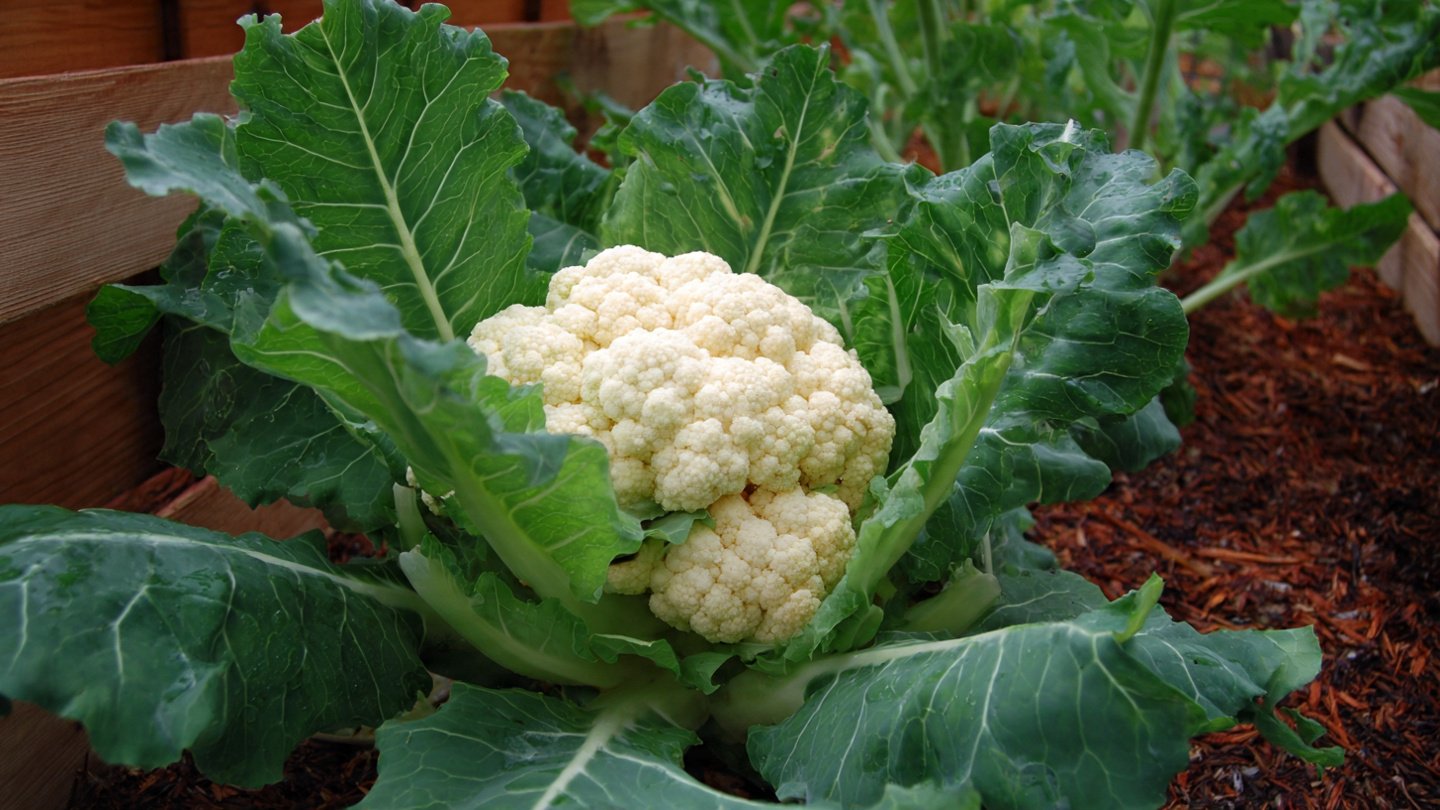
Growing cauliflower in your home garden can be a rewarding experience, offering not only a fresh and nutritious vegetable but also the satisfaction of nurturing a plant from seed to harvest. Rich in vitamins and minerals, cauliflower is a versatile addition to a variety of dishes, making it too good to miss out on. This comprehensive guide will take you through the essentials of cultivating cauliflower successfully, from seed selection to harvest, along with several FAQs for common queries.
1. Understanding Cauliflower
1.1 What is Cauliflower?
Latest Posts
- OnePlus Turbo 6V 5G Launched – for Gamers with 9000mAh Battery, 220MP Camera & Snapdragon 8s Gen 4
- Realme GT 8 Pro Officially Launched – 200MP Camera, 7,000mAh Battery and Snapdragon 8 Elite
- OPPO K13 Turbo 5G Launched – 7,000mAh Battery, 50MP Camera and High-Performance Chipset
- Realme 17 Pro 5G Unveiled – IP69K Certified, 200MP Camera and Massive 8600mAh Battery
- Vivo Premium Smartphone Launched – 200MP Camera, 90W Fast Charging and 16GB RAM
- POCO F8 Ultra Launched – Snapdragon Flagship Power, Bose Audio and Huge Battery
- POCO F8 Ultra Launched – Snapdragon Flagship Power, Bose Audio and Huge Battery
- OnePlus Nord 3 5G Launched – 120Hz AMOLED Display, 50MP Camera and 5,000mAh Battery
- OnePlus Nord CE4 Launched – Powerful Snapdragon 7 Gen 3, 50MP Camera and Long-Lasting Battery
- OnePlus Smartphone Revealed – Premium 5G Smartphone with 200MP Camera, 24GB RAM and 100W Fast Charging
Cauliflower (Brassica oleracea var. botrytis) is a cruciferous vegetable that belongs to the same family as broccoli, kale, and Brussels sprouts. It thrives in cooler climates and is sensitive to heat and frost.
1.2 Types of Cauliflower
Cauliflower comes in various types, including:
- White Cauliflower: The most common variety.
- Purple Cauliflower: Rich in antioxidants and has a slightly nuttier flavor.
- Green Cauliflower: Also known as broccoflower, it’s a hybrid with a milder taste.
- Orange Cauliflower: High in beta-carotene, providing a vibrant color and a sweet flavor.
2. Choosing the Right Variety
When selecting cauliflower seeds, consider your climate and the growing season. Here are a few popular varieties:

- ‘Snowball’: An early maturing white variety.
- ‘Purple of Sicily’: A beautiful purple variety that is also heat-tolerant.
- ‘Cheddar’: Orange variety with high beta-carotene content.
Choose seeds according to your local climate, available space, and gardening goals.
3. Preparing Your Garden
3.1 Location
Cauliflower thrives in full sun and requires at least 6 hours of direct sunlight each day. Select a location that receives ample sunlight and has good drainage.
3.2 Soil Preparation
3.2.1 Ideal Soil Conditions
Cauliflower prefers:
- Soil pH: 6.0 to 7.0
- Soil Type: Loamy, rich in organic matter
3.2.2 Improving Soil Quality

- Testing pH: Use a soil testing kit to check pH levels.
- Adding Organic Matter: Incorporate compost or well-rotted manure into the soil to improve fertility and drainage.
- Tilling: Till the soil to a depth of at least 12 inches to aerate it and reduce compaction.
3.3 Preparing Garden Beds
- Raised Beds: Consider using raised beds if you have poor soil or want to improve drainage.
- Spacing: Space plants about 18 to 24 inches apart to provide sufficient room for growth.
4. Planting Cauliflower
4.1 When to Plant
Cauliflower is a cool-season crop, best planted in early spring or late summer for a fall harvest:
- Early Spring Planting: Start indoors 4-6 weeks before the last frost date.
- Late Summer Planting: Start seeds indoors 14-16 weeks before the first expected frost.
4.2 Sowing Seeds
- Indoors: Sow seeds in seed trays filled with seed-starting mix. Keep moist and warm.
- Transplanting: Harden off seedlings outside for about a week before transplanting to your garden bed.

4.3 Direct Sowing
If you’re in a mild climate, you can also sow seeds directly in the garden. Ensure all frost risk has passed and the soil has warmed.
5. Caring for Your Cauliflower
5.1 Watering
Consistent moisture is crucial. Water cauliflower deeply and regularly, aiming for about 1-1.5 inches of water per week. Avoid wetting the leaves to prevent diseases.
5.2 Fertilizing
Use a balanced fertilizer or one high in nitrogen to promote leafy growth. Apply once a month or according to soil tests. Always follow package instructions for dosage.
5.3 Mulching
Apply a layer of organic mulch, such as straw or shredded leaves, around the plants to retain moisture, suppress weeds, and regulate soil temperature.
5.4 Pest and Disease Control
- Common Pests: Cabbage worms, aphids, and flea beetles are common pests. Use row covers to protect young plants or introduce beneficial insects like ladybugs.
- Diseases: Look out for downy mildew and root rot. Rotate crops each year and avoid overhead watering to minimize risks.

6. Harvesting Cauliflower
6.1 When to Harvest
Cauliflower is ready to harvest when the heads are firm and compact, usually about 75 to 100 days after planting, depending on the variety. Ideally, heads should be 6-8 inches in diameter but harvest them before they begin to flower.
6.2 How to Harvest
- Use a sharp knife to cut the head from the main stem.
- Leave some leaves around the head to protect it during storage.
6.3 Post-Harvest Care
Store harvested cauliflower in the refrigerator, ideally wrapped in a damp cloth or in a plastic bag with ventilation holes. Consume within a week for the best quality.
7. FAQs
7.1 Can cauliflower grow well in containers?
Yes, cauliflower can be grown in large containers, ideally at least 12-14 inches deep. Ensure the container has drainage holes and use a quality potting mix.
7.2 What should I do if my cauliflower is turning yellow?
Yellowing leaves may indicate nutrient deficiency, usually nitrogen. Apply a nitrogen-rich fertilizer to address this issue.

7.3 How can I prevent my cauliflower from bolting?
Bolting occurs when cauliflower flowers prematurely due to heat stress. To prevent this, plant in cooler weather, provide adequate moisture, and mulch to retain soil temperature.
7.4 Is it possible to save cauliflower seeds?
Yes, you can save seeds from your best-performing plants. Allow the heads to flower and produce pods, then harvest the seeds once they dry out.
7.5 How do I store cauliflower after harvesting?
Store harvested cauliflower in the refrigerator. It lasts about a week; for longer storage, consider freezing it after blanching.
Conclusion
Growing cauliflower in your home garden can be both fulfilling and beneficial for your kitchen. By understanding the requirements of this cool-season crop, from soil preparation to pest management, you can yield a bountiful harvest. With patience and care, you will enjoy the fruits—or in this case, the vegetables—of your labor in no time. Happy gardening!
Leave a Reply