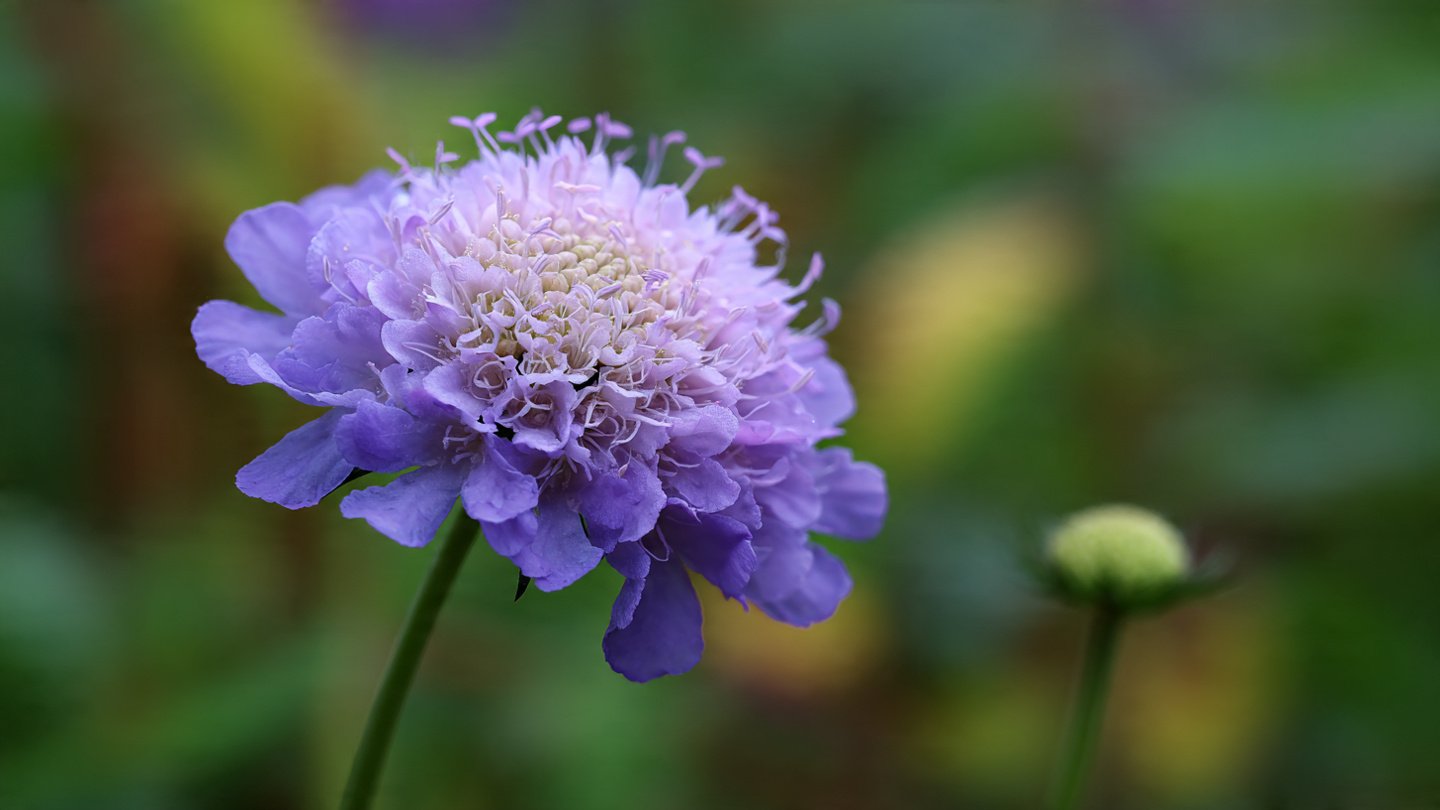
Scabiosa, commonly known as pincushion flower, is a delightful perennial or annual flower that has captured the hearts of gardeners around the world. With its whimsical shape, vibrant colors, and ability to attract pollinators, Scabiosa adds charm to any garden. Whether you’re a seasoned gardener or a novice, this guide will help you cultivate these stunning blooms successfully throughout the growing season.
Understanding Scabiosa Pincushion Flower
History and Features
Latest Posts
- OnePlus Turbo 6V 5G Launched – for Gamers with 9000mAh Battery, 220MP Camera & Snapdragon 8s Gen 4
- Realme GT 8 Pro Officially Launched – 200MP Camera, 7,000mAh Battery and Snapdragon 8 Elite
- OPPO K13 Turbo 5G Launched – 7,000mAh Battery, 50MP Camera and High-Performance Chipset
- Realme 17 Pro 5G Unveiled – IP69K Certified, 200MP Camera and Massive 8600mAh Battery
- Vivo Premium Smartphone Launched – 200MP Camera, 90W Fast Charging and 16GB RAM
- POCO F8 Ultra Launched – Snapdragon Flagship Power, Bose Audio and Huge Battery
- POCO F8 Ultra Launched – Snapdragon Flagship Power, Bose Audio and Huge Battery
- OnePlus Nord 3 5G Launched – 120Hz AMOLED Display, 50MP Camera and 5,000mAh Battery
- OnePlus Nord CE4 Launched – Powerful Snapdragon 7 Gen 3, 50MP Camera and Long-Lasting Battery
- OnePlus Smartphone Revealed – Premium 5G Smartphone with 200MP Camera, 24GB RAM and 100W Fast Charging
Native to Europe, Scabiosa has been a favorite in gardens for centuries. Its round, pincushion-like flower heads come in a variety of colors, including shades of blue, pink, and white. The blooms typically appear from late spring through the fall, making them a long-lasting addition to your garden.
Scabiosa plants feature silvery-green foliage and can grow anywhere from 1 to 3 feet tall, depending on the variety. This makes them perfect for borders, containers, or as part of mixed displays. They are known not just for their beauty but also for their ability to attract butterflies and bees.
Selecting the Right Variety
Choosing the right variety of Scabiosa is essential for successful growth. Some popular varieties include:
- Scabiosa caucasica: This perennial variety produces pale blue to white flowers and grows well in various conditions.
- Scabiosa columbaria: Known for its compact size and range of colors, it’s perfect for smaller gardens or containers.
- Scabiosa atropurpurea: This annual type features deeper colors like burgundy and black, providing a dramatic flair.
When selecting your seeds or plants, consider your local climate and soil conditions. Some varieties may thrive better in specific zones.

Ideal Growing Conditions
Soil Requirements
Scabiosa prefers well-draining soil rich in organic matter. A pH level between 6.0 and 7.0 is ideal. Before planting, amend your soil with compost or well-rotted manure to enhance fertility.
Sunlight
These flowers thrive in full sun environments. Aim for at least 6 hours of direct sunlight per day for optimal flowering. In extremely hot climates, some afternoon shade can help protect the plants.
Watering
Scabiosa is relatively drought-tolerant once established, but regular watering is essential during dry spells. Water the plants deeply about once a week, allowing the soil to dry slightly between waterings. Avoid overhead watering to minimize the risk of fungal diseases.
Planting Scabiosa
Planting Time
You can sow Scabiosa seeds indoors about 6-8 weeks before the last frost or directly in the garden after the frost has passed. If planting seedlings, ensure they are hardened off before transplanting outdoors.
Sowing Seeds
When sowing seeds directly into the garden:

- Choose a sunny, well-prepared site with the right soil conditions.
- Sow seeds lightly on the soil surface and cover them with a thin layer of soil or just press them down.
- Water gently to avoid displacing the seeds.
If starting seeds indoors, transplant them once they have developed several true leaves and after the threat of frost has passed.
Transplanting Seedlings
When transplanting seedlings, space them 12-18 inches apart to allow for adequate air circulation and growth. Make sure to dig a hole slightly larger than the root ball and water thoroughly after planting.
Care & Maintenance
Fertilization
While Scabiosa can thrive in average soils, a balanced fertilizer (10-10-10) can promote more robust growth and flowering. Apply a light feeding in early spring as new growth appears and again in midsummer.
Deadheading
Regular deadheading – the practice of removing spent flowers – encourages the plant to produce more blooms and prolongs the flowering period. Use clean, sharp scissors to cut the stems just above a leaf node.

Pest and Disease Management
Scabiosa is generally resistant to pests and diseases, but keep an eye out for common threats like aphids or spider mites. If you observe these pests, treat them with insecticidal soap or neem oil.
Fungal diseases can occur, especially in humid conditions. Ensure good air circulation by spacing plants appropriately and avoid wetting the foliage when watering.
Support and Pruning
While Scabiosa is typically sturdy, taller varieties may benefit from staking to prevent them from flopping over, especially in windy areas. Use garden stakes or bamboo sticks, tying the plants gently.
Light pruning in late summer can also help maintain the plant’s shape and promote further blooming in the fall.
Harvesting for Arrangements
Scabiosa flowers make beautiful cut flowers, lasting well in arrangements. To harvest:
- Pick blooms when they are fully open for the longest vase life.
- Use sharp shears to cut the stem at an angle, allowing better water uptake.
- Immediately place the flowers in water until ready to arrange.

Winter Care
In colder climates, it’s essential to prepare your Scabiosa for winter:
- Cutting Back: After the first frost, trim back spent foliage to 2-3 inches above the ground.
- Mulching: Apply a layer of mulch around the plants to protect their roots from frost damage.
In warmer climates, Scabiosa may behave as a perennial, returning year after year with minimal care.
FAQs About Growing Scabiosa Pincushion Flower
1. How long do Scabiosa flowers bloom?
Scabiosa flowers typically bloom from late spring to fall, depending on the specific variety and growing conditions.
2. Can Scabiosa be grown in containers?
Yes! Scabiosa can thrive in containers. Ensure the pot has good drainage, and use high-quality potting soil. Remember to water regularly.
3. Do Scabiosa flowers attract pollinators?
Absolutely! Scabiosa is known for attracting butterflies, bees, and other beneficial insects, making it an excellent choice for pollinator gardens.

4. Are Scabiosa flowers edible?
While Scabiosa is not commonly consumed, its blooms are sometimes used as a decorative garnish in dishes. Always ensure that plants are grown without pesticides if considering any form of consumption.
5. How do I know if my Scabiosa is healthy?
Healthy Scabiosa will exhibit vibrant blooms, lush green foliage, and strong stems. Watch for signs of pests or diseases, such as wilting or discoloration.
6. Can I save seeds from my Scabiosa plants?
Yes! Allow some flowers to mature and dry on the plant. Once they are dry, collect the seeds and store them in a cool, dry place for next season’s planting.
7. What is the best time to plant Scabiosa?
In most regions, Scabiosa can be planted in early spring after the last frost. For a head start, seeds can be sown indoors in late winter.
Conclusion
Growing Scabiosa pincushion flowers in your garden can be a rewarding experience, bringing beauty and life to your outdoor space. With their unique shapes, attractive colors, and ability to draw in pollinators, Scabiosa is a favorite among gardeners. Whether in a flower bed, border, or container, these flowers will undoubtedly brighten your garden all season long. With proper care, attention, and the right growing conditions, you can enjoy a vibrant display of Scabiosa blooms year after year. Happy gardening!
Leave a Reply