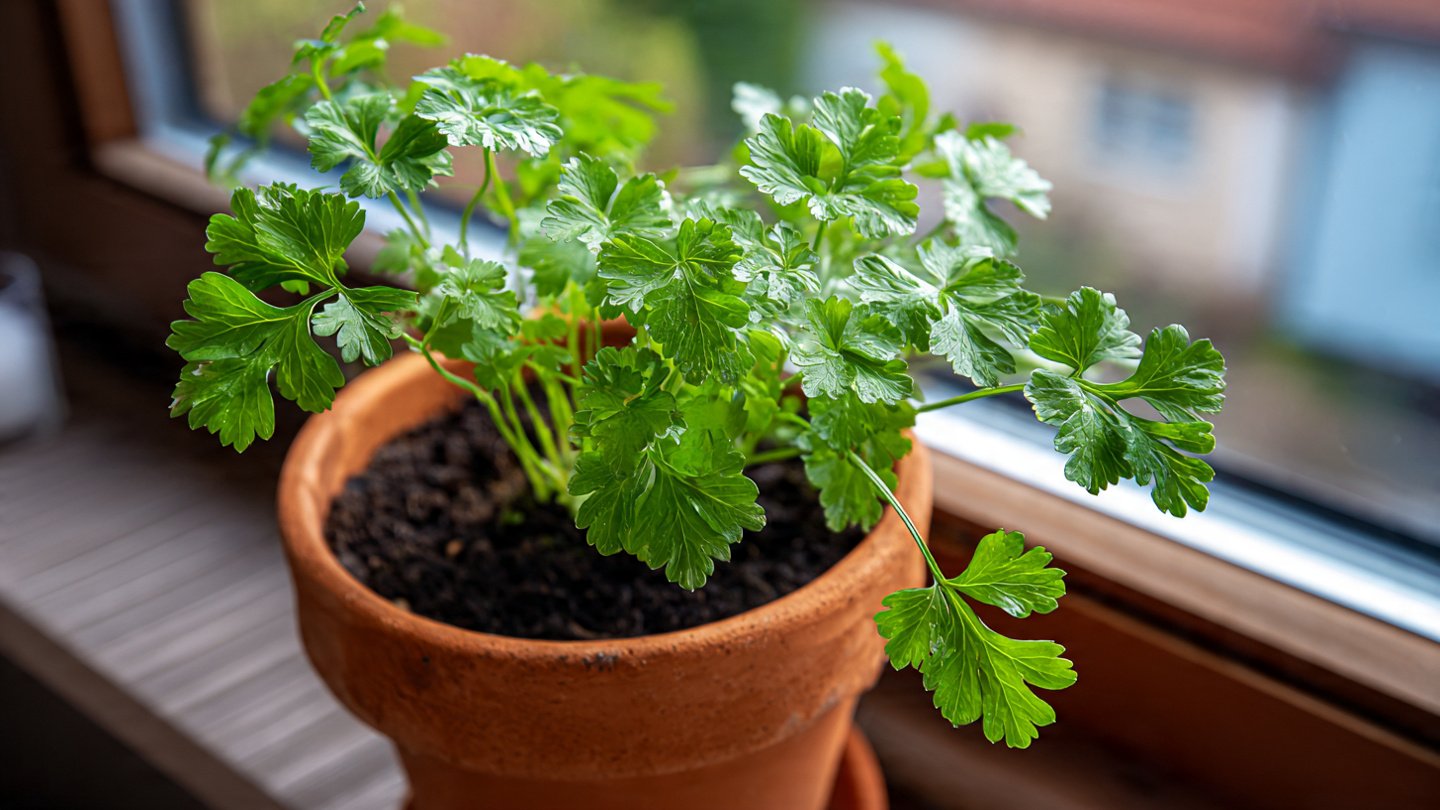
Growing parsley at home can bring a burst of flavor to your dishes and enhance your herb garden’s variety. This versatile herb, prized in Mediterranean cuisine and beyond, thrives with the right conditions and care. In this guide, we’ll explore effective techniques to grow fresh parsley leaves, ensuring a thriving herb garden.
Understanding Parsley
Types of Parsley
Latest Posts
- OnePlus Turbo 6V 5G Launched – for Gamers with 9000mAh Battery, 220MP Camera & Snapdragon 8s Gen 4
- Realme GT 8 Pro Officially Launched – 200MP Camera, 7,000mAh Battery and Snapdragon 8 Elite
- OPPO K13 Turbo 5G Launched – 7,000mAh Battery, 50MP Camera and High-Performance Chipset
- Realme 17 Pro 5G Unveiled – IP69K Certified, 200MP Camera and Massive 8600mAh Battery
- Vivo Premium Smartphone Launched – 200MP Camera, 90W Fast Charging and 16GB RAM
- POCO F8 Ultra Launched – Snapdragon Flagship Power, Bose Audio and Huge Battery
- POCO F8 Ultra Launched – Snapdragon Flagship Power, Bose Audio and Huge Battery
- OnePlus Nord 3 5G Launched – 120Hz AMOLED Display, 50MP Camera and 5,000mAh Battery
- OnePlus Nord CE4 Launched – Powerful Snapdragon 7 Gen 3, 50MP Camera and Long-Lasting Battery
- OnePlus Smartphone Revealed – Premium 5G Smartphone with 200MP Camera, 24GB RAM and 100W Fast Charging
- Curly Parsley: Known for its frilled leaves, curly parsley is often used as a garnish due to its attractive form.
- Flat-leaf Parsley (also known as Italian parsley): This variety has broader, flat leaves and a stronger flavor, making it a favorite among cooks.
Nutritional Benefits
Parsley is not just a culinary delight but also a nutritional powerhouse. It’s rich in vitamins A, C, and K, along with essential minerals like iron and potassium. Adding fresh parsley to your meals can enhance both flavor and health benefits.
Choosing the Right Location
Sunlight Requirements
Parsley thrives in full sun to partial shade. Ideally, it requires around 6-8 hours of sunlight each day. If you live in a hotter climate, providing some afternoon shade can help prevent the leaves from scorching.
Soil Preparation
Parsley prefers well-draining, fertile soil. A pH range of 6.0 to 7.0 is ideal for optimal growth. To prepare your soil:
- Select a Container or Garden Bed: If using a container, ensure it has drainage holes. For garden beds, loosen the soil to a depth of 12 inches.
- Amend the Soil: Mix in organic matter like compost or aged manure to improve soil fertility and drainage. A slow-release fertilizer can also be beneficial.

Planting Parsley
Seeds vs. Seedlings
You can start parsley from seeds or seedlings. Seeds are economical but take longer to germinate. Seedlings (available at garden centers) provide quicker results.
Planting Seeds
- Soaking Seeds: Soak seeds in water for 24 hours before planting to enhance germination.
- Sowing: Plant seeds about ¼ inch deep and 6-8 inches apart. Cover gently with soil.
- Watering: Water gently but thoroughly to keep the soil moist (not soggy).
Transplanting Seedlings
- Timing: Transplant seedlings outdoors after the last frost when they’re about 3 to 4 inches tall.
- Spacing: Place seedlings about 8-10 inches apart to allow for adequate growth.
Watering Techniques
Parsley prefers consistently moist soil but cannot tolerate standing water. Here are some watering tips:
- Frequency: Water regularly, especially during dry spells. Soak the soil thoroughly and then allow the top inch to dry out before watering again.
- Mulching: Apply a layer of organic mulch around the plants to retain moisture and suppress weeds.
Fertilizing Parsley
Parsley benefits from balanced fertilization. Consider the following:

- Initial Fertilization: Incorporate a slow-release fertilizer at the time of planting or transplanting.
- All-Natural Options: Fish emulsion or liquid kelp can be applied every few weeks during the growing season for additional nutrients.
Pruning and Harvesting
Pruning Techniques
Regular pruning encourages bushier growth and allows for more robust foliage. Here’s how:
- Remove Flowers: If your parsley plants start to flower, pinch off the flowers. Flowering can signal the plant to stop leaf production.
- Selective Harvesting: Harvest outer leaves first, allowing inner leaves to continue growing. This way, you’ll have a continuous supply.
Harvesting
- When to Harvest: Start harvesting once your plants are about 6-8 inches tall.
- Method: Snip off leaves close to the stem without removing the entire plant to encourage further growth.
Pests and Problems
Common Pests
Parsley is susceptible to a few pests, including:
- Aphids
- Spider mites
- Whiteflies

Natural Remedies
To combat pests:
- Insecticidal Soap: Apply insecticidal soap or neem oil to deter pests.
- Companion Planting: Plant parsley alongside loamy soil to attract beneficial insects that prey on these pests.
Disease Management
Parsley may face diseases such as root rot or fungal infections. To minimize risks:
- Proper Watering: Avoid overwatering and ensure adequate drainage.
- Crop Rotation: Don’t plant parsley in the same soil year after year to reduce the chance of soil-borne diseases.
Winter Care for Parsley
If you live in a cooler climate, consider these tips for winter care:
Indoor Growth
- Transplant to Pots: Move some parsley plants indoors before the first frost. Place them in a sunny windowsill.
- Provide Adequate Light: Consider using grow lights if natural sunlight is insufficient.

Outdoor Protection
- Mulching: Apply a thick layer of mulch to protect roots from freezing temperatures.
- Row Covers: Use floating row covers to shield outdoor plants from harsh winter conditions while allowing daylight and moisture.
Creating a Thriving Herb Garden
Companion Planting
Companion planting can enhance your herb garden’s health and yield. Good companions for parsley include:
- Chives: Help deter pests.
- Tomatoes: Share similar growing conditions.
Interplanting Strategies
To maximize space and resources, interplant parsley with other herbs and vegetables. This method promotes biodiversity and can reduce pests.
Regular Maintenance
- Weeding: Keep the garden free of weeds, as they compete for nutrients and space.
- Monitoring Growth: Regularly check plants for signs of health, nutrient needs, or pest issues.
Tips for Success
- Start Small: If you’re new to herb gardening, start with a few plants and expand as you gain confidence.
- Experience and Observation: Pay attention to what works best in your specific environment, adjusting care techniques as needed.

Conclusion
Growing parsley at home is a rewarding endeavor that enhances your culinary creations and contributes to a thriving herb garden. With proper sunlight, soil, watering, and care, you can enjoy a continuous supply of fresh parsley leaves. Remember that gardening is a journey—experiment, learn, and, most importantly, enjoy the process!
FAQs
1. How often should I water parsley?
Water parsley regularly, allowing the top inch of soil to dry out between watering sessions, especially during dry spells.
2. Can parsley grow in shade?
Parsley prefers full sun but can tolerate partial shade. If your climate is hot, some afternoon shade is beneficial.
3. How long does it take for parsley seeds to germinate?
Parsley seeds can take 2 to 6 weeks to germinate, so be patient and keep the soil consistently moist during this period.
4. When can I start harvesting parsley?
You can start harvesting parsley once the plants reach about 6-8 inches in height.
5. Can parsley survive winter?
In mild climates, parsley can survive winter outdoors. In colder areas, consider bringing plants indoors or using mulch and row covers to protect outdoor plants.
Leave a Reply