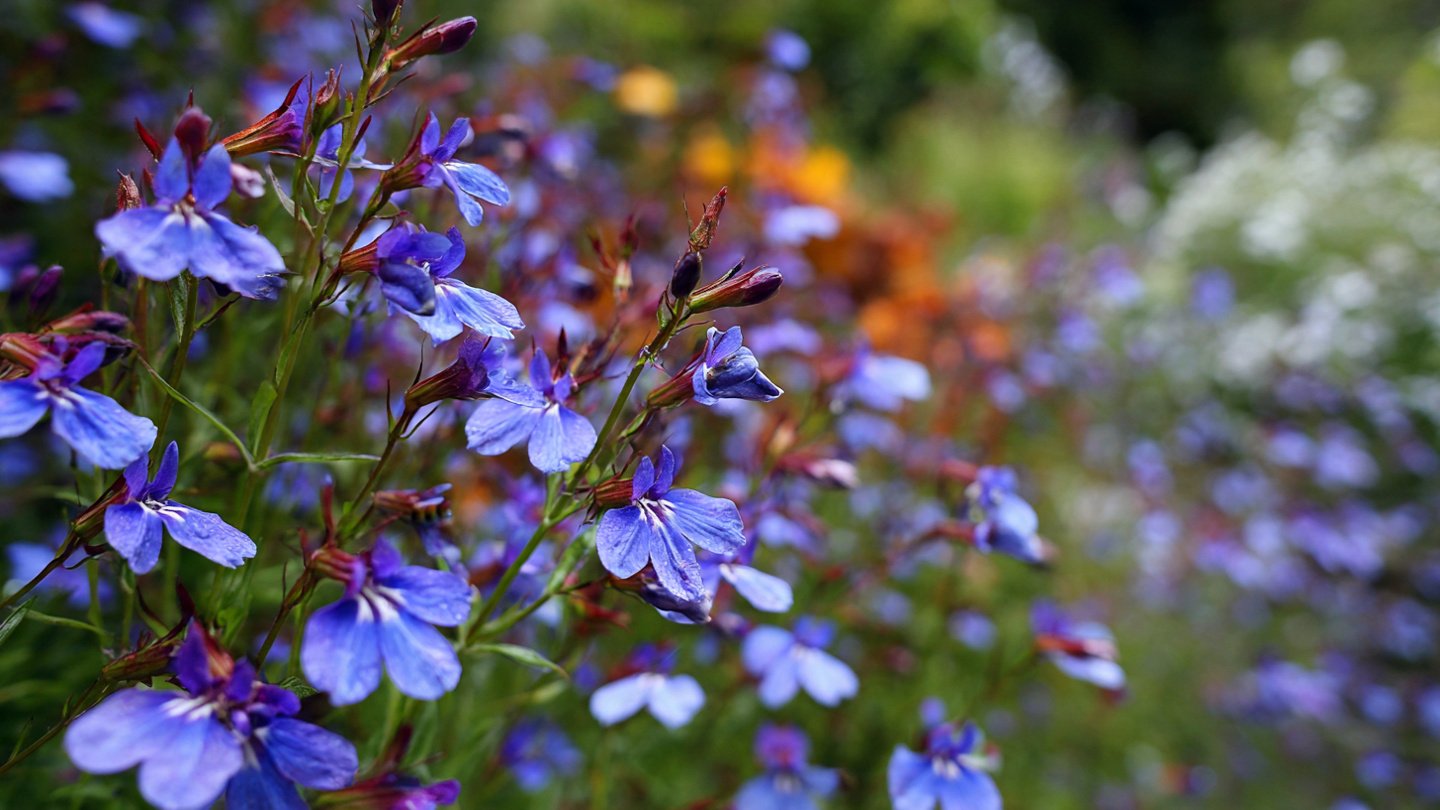
Lobelia flowers are beloved by gardeners for their vibrant colors and cascading growth. Whether you’re a novice or an experienced gardener, incorporating lobelia into your garden can enhance its beauty. This guide will walk you through everything you need to know about successfully growing lobelia flowers, from selecting the right varieties to caring for them through the seasons.
1. Understanding Lobelia
Lobelia belongs to the Campanulaceae family and is primarily known for its striking blue, purple, and white flowers. The most common species for gardening include Lobelia erinus (trailing lobelia), Lobelia cardinalis (cardinal flower), and Lobelia siphilitica (great blue lobelia). The flowers are generally small, tubular, and attract beneficial pollinators such as bees and butterflies.
Latest Posts
- OnePlus Turbo 6V 5G Launched – for Gamers with 9000mAh Battery, 220MP Camera & Snapdragon 8s Gen 4
- Realme GT 8 Pro Officially Launched – 200MP Camera, 7,000mAh Battery and Snapdragon 8 Elite
- OPPO K13 Turbo 5G Launched – 7,000mAh Battery, 50MP Camera and High-Performance Chipset
- Realme 17 Pro 5G Unveiled – IP69K Certified, 200MP Camera and Massive 8600mAh Battery
- Vivo Premium Smartphone Launched – 200MP Camera, 90W Fast Charging and 16GB RAM
- POCO F8 Ultra Launched – Snapdragon Flagship Power, Bose Audio and Huge Battery
- POCO F8 Ultra Launched – Snapdragon Flagship Power, Bose Audio and Huge Battery
- OnePlus Nord 3 5G Launched – 120Hz AMOLED Display, 50MP Camera and 5,000mAh Battery
- OnePlus Nord CE4 Launched – Powerful Snapdragon 7 Gen 3, 50MP Camera and Long-Lasting Battery
- OnePlus Smartphone Revealed – Premium 5G Smartphone with 200MP Camera, 24GB RAM and 100W Fast Charging
Varieties of Lobelia
-
Trailing Lobelia (Lobelia erinus): This variety is often used in hanging baskets and window boxes. It produces a profusion of small flowers and has a delicate, trailing habit.
-
Cardinal Flower (Lobelia cardinalis): Known for its brilliant red flowers, this variety thrives in moist areas and is often found near ponds or streams.
-
Great Blue Lobelia (Lobelia siphilitica): This native plant has striking blue flowers and prefers rich, moist soils, making it an excellent choice for shaded areas.
2. Choosing the Right Location
Lobelia flowers thrive in full sun to partial shade. However, the specific light requirements can vary depending on the variety:
- Trailing Lobelia: Prefers full sun but can tolerate partial shade, especially in hotter climates.
- Cardinal Flower: Flourishes in partial shade or full sun but is best suited to moist, shaded environments.
- Great Blue Lobelia: Prefers partially shaded areas with rich, consistently moist soil.

Soil Requirements
Lobelia does best in well-draining soil rich in organic matter. A pH level between 6.0 and 7.0 is ideal. To improve soil conditions, you can:
- Incorporate compost or well-rotted manure to enhance nutrient content.
- Ensure proper drainage by adding sand or perlite if the soil retains too much moisture.
3. Planting Lobelia
When to Plant
Lobelia can be planted in spring when the risk of frost has passed. You can start seeds indoors 8-10 weeks before the last frost date or sow them directly in the garden after the threat of frost has passed.
How to Plant
-
Seeds:
- Fill seed trays or pots with seed-starting mix.
- Sprinkle lobelia seeds on the surface because they need light to germinate.
- Moisten the soil gently.
- Cover with plastic wrap to retain moisture and place in a warm, bright location.

-
Transplanting:
- Once the seedlings have their true leaves and are sturdy enough, transplant them into larger pots or directly into the garden, spacing them about 6-12 inches apart, depending on the variety.
Direct Sowing
If you choose to sow directly, prepare the soil as mentioned earlier and scatter the seeds. Water gently and keep the area moist until germination, which typically takes 10 to 14 days.
4. Caring for Lobelia
Watering
Lobelia flowers prefer consistently moist soil but dislike “wet feet.” Water your plants regularly, especially during dry spells. Aim to keep the soil evenly moist but not saturated. Using mulch can help retain moisture and maintain soil temperature.
Fertilizing
Feed your lobelia plants with a balanced, water-soluble fertilizer every four to six weeks during the growing season. Avoid over-fertilizing, as this can encourage leafy growth at the expense of flowers.

Pruning and Deadheading
Regular deadheading encourages the blooming of lobelia flowers and keeps the plants looking tidy. Prune any dead or wilted leaves to encourage optimal growth and flowering.
Pest and Disease Management
Lobelia is relatively pest-resistant but may attract aphids or spider mites. If you notice these pests:
- Use insecticidal soap or neem oil as a gentle treatment.
- Regularly check for diseases like downy mildew, which thrives in overly humid conditions. Ensure good air circulation around your plants.
5. Seasonal Care
Spring
In spring, focus on planting and ensuring your lobelia gets enough moisture. Once the danger of frost has passed, you can expect your plants to flourish.
Summer
During the summer months, monitor watering closely, especially in hot weather. Add a layer of mulch to retain moisture and suppress weeds. Regularly deadhead to encourage continuous blooms.
Fall
In the fall, when temperatures begin to drop, you may want to bring container-grown lobelia indoors to prevent frost damage. For those planted in the ground, cut back any spent flowers and foliage to prepare for winter.

Winter
Lobelia is typically an annual in colder climates, but perennial varieties like Lobelia cardinalis can survive winter if mulched well. In regions with harsh winters, consider protecting the plants with mulch or even bringing potted varieties indoors.
6. Companion Planting
Lobelia pairs beautifully with other annuals and perennials, enhancing their visual appeal. Consider planting them alongside:
- Petunias: Their vibrant colors complement the calmer hues of lobelia.
- Fuchsia: Shares similar watering needs and creates a stunning combination.
- Marigolds: Their pest-repelling qualities make them ideal companions.
7. FAQs
Q1: How do I know which variety of lobelia to choose for my garden?
A1: Consider your garden’s light conditions and the appearance you wish to achieve. For trailing growth, choose Lobelia erinus; for striking red flowers, go for Lobelia cardinalis; and for blue blooms, select Lobelia siphilitica.
Q2: Can lobelia be grown in pots?
A2: Yes, lobelia is ideal for containers, hanging baskets, and window boxes. Just ensure they have good drainage and regular watering.

Q3: How often should I fertilize lobelia?
A3: Use a balanced, water-soluble fertilizer every four to six weeks during the growing season for optimal growth.
Q4: Why are my lobelia flowers not blooming?
A4: This could be due to several factors, including inadequate sunlight, over-fertilization, or lack of moisture. Adjusting these environmental factors may encourage blooming.
Q5: Can lobelia be wintered over?
A5: Some varieties, particularly perennial types like Lobelia cardinalis, can survive winter with proper care, such as mulching. Annual varieties will need to be replanted each spring.
Q6: Do lobelia flowers attract pollinators?
A6: Yes, lobelia flowers are known to attract bees, butterflies, and hummingbirds due to their vibrant colors and nectar.
Q7: What are common diseases that affect lobelia?
A7: The most common issues include downy mildew and root rot, typically caused by overly moist conditions. Ensure proper watering practices to minimize these risks.
Conclusion
Growing lobelia flowers can be a rewarding experience, bringing color and life to your garden. Whether you prefer the trailing varieties or the more upright styles, understanding their needs and providing proper care will ensure a bountiful bloom season. With the right knowledge and practices, you’ll enjoy the beauty and vibrancy that lobelia can bring to your garden for years to come. Happy gardening!
Leave a Reply