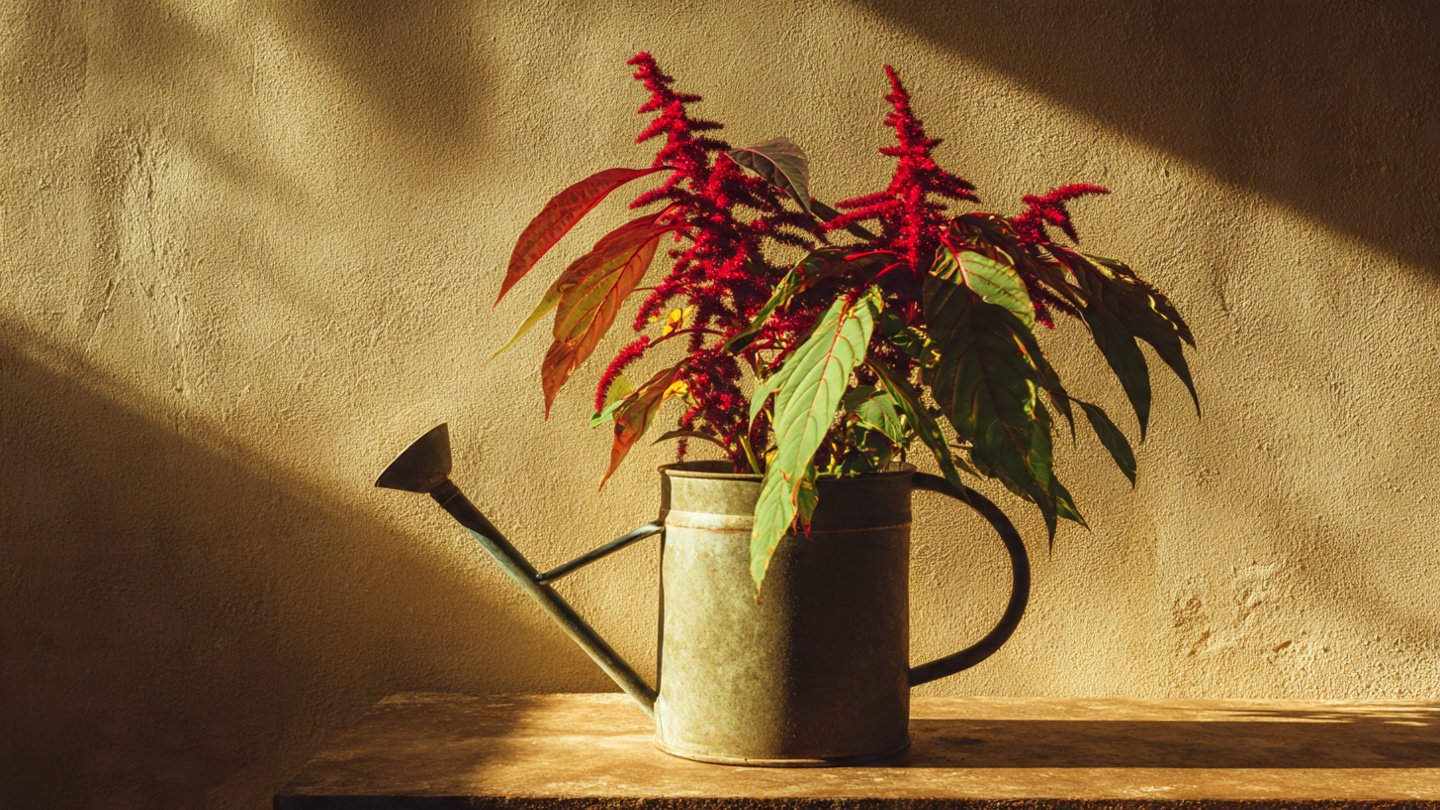
Growing your own vegetables and herbs at home has gained immense popularity, and one plant that offers a plethora of nutritional benefits and aesthetic appeal is Amaranthus, commonly known as amaranth. This ancient grain is not only nutritious but also adaptable, making it an excellent choice for home gardeners. In this comprehensive guide, we’ll delve into everything you need to know about growing Amaranthus easily and effectively from the comfort of your home.
1. Understanding Amaranthus
1.1. What is Amaranthus?
Latest Posts
- OnePlus Turbo 6V 5G Launched – for Gamers with 9000mAh Battery, 220MP Camera & Snapdragon 8s Gen 4
- Realme GT 8 Pro Officially Launched – 200MP Camera, 7,000mAh Battery and Snapdragon 8 Elite
- OPPO K13 Turbo 5G Launched – 7,000mAh Battery, 50MP Camera and High-Performance Chipset
- Realme 17 Pro 5G Unveiled – IP69K Certified, 200MP Camera and Massive 8600mAh Battery
- Vivo Premium Smartphone Launched – 200MP Camera, 90W Fast Charging and 16GB RAM
- POCO F8 Ultra Launched – Snapdragon Flagship Power, Bose Audio and Huge Battery
- POCO F8 Ultra Launched – Snapdragon Flagship Power, Bose Audio and Huge Battery
- OnePlus Nord 3 5G Launched – 120Hz AMOLED Display, 50MP Camera and 5,000mAh Battery
- OnePlus Nord CE4 Launched – Powerful Snapdragon 7 Gen 3, 50MP Camera and Long-Lasting Battery
- OnePlus Smartphone Revealed – Premium 5G Smartphone with 200MP Camera, 24GB RAM and 100W Fast Charging
Amaranthus is a genus of plants that includes various species, both ornamental and edible. This versatile plant is cultivated worldwide for its leaves, seeds, and vibrant flower clusters. Some popular species include:
- Amaranthus caudatus: Known for its long, drooping flower clusters.
- Amaranthus cruentus: Grown mainly for its seeds and nutritious green leaves.
- Amaranthus retroflexus: Often seen as a weed but is also edible.
1.2. Nutritional Value
Amaranth is rich in protein, fiber, vitamins, and minerals, particularly:
- Protein: Contains all nine essential amino acids.
- Iron: Vital for oxygen transportation in blood.
- Calcium: Important for bone health.
- Antioxidants: Help combat oxidative stress.

1.3. Choosing the Right Type
When selecting the variety of Amaranthus to grow, consider your purpose:
- Edible Leaves: If you want to consume the leaves, choose Amaranthus tricolor or Amaranthus viridis.
- Seeds: For grain production, go for Amaranthus cruentus or Amaranthus hypochondriacus.
2. Preparing for Amaranthus Cultivation
2.1. Climate Requirements
Amaranthus thrives in warm, sunny climates with:
- Temperature: Ideal growth occurs between 70°F to 85°F (21°C to 29°C).
- Sunlight: Requires full sunlight for at least 6-8 hours daily.
2.2. Soil Preparation
The soil should be well-draining and rich in organic matter. Here’s how to prepare your soil:
- Choose a Location: Pick a sunny spot in your garden or use pots if growing indoors.
- Soil Type: Sandy loam or loamy soil works best. You can amend heavy clay soil with compost.
- pH Level: Aim for a pH of 6.0 to 7.0. Test your soil and adjust as necessary.

2.3. Seed Sourcing
You can buy seeds from local garden centers or online. Ensure they are organic and non-GMO for the best results.
3. Planting Amaranthus
3.1. Timing
- Direct Sow: Plant seeds outdoors in early spring, after the last frost date.
- Indoor Starting: Start seeds indoors 4-6 weeks before the last frost, then transplant.
3.2. Planting Process
- Seeds Preparation: Amaranth seeds are tiny, so handle them carefully.
- Spacing: Sow seeds about 1/4 inch deep and space them 12-18 inches apart.
- Watering: Water lightly after planting to moisten the soil without waterlogging.
4. Caring for Your Amaranthus
4.1. Watering
Amaranthus is drought-tolerant but requires consistent moisture, especially during germination. Water weekly, allowing the top inch of soil to dry out between watering.
4.2. Fertilization

- Organic Fertilizer: Use compost or an all-purpose organic fertilizer.
- Frequency: Fertilize every 4-6 weeks during the growing season.
4.3. Weed and Pest Management
- Weed Control: Mulch around plants to suppress weeds.
- Pests: Monitor for aphids and leaf miners. Use insecticidal soap or neem oil if infestations occur.
5. Harvesting Amaranthus
5.1. Leaf Harvesting
- When to Harvest: Leafy varieties can be harvested when plants reach 6-8 inches in height.
- How to Harvest: Snip leaves at the stem, allowing the plant to continue growing.
5.2. Seed Harvesting
- Timing: Harvest seeds when flower heads turn brown and dry.
- Method: Cut the flower heads and let them dry indoors. Shake to release seeds.
6. Culinary Uses for Amaranthus
Amaranth is a versatile ingredient in various cuisines. Here are some ideas:

- Leaves: Sauté like spinach or add to salads.
- Grains: Cooked whole or ground into flour for baking.
- Porridge: Use in breakfast cereals or smoothies.
7. Common Issues
7.1. Leaf Yellowing
This may suggest nutrient deficiencies or overwatering. Check soil moisture and consider adding fertilizer.
7.2. Stunted Growth
Ensure plants are not overcrowded, and maintain adequate sunlight and water levels.
7.3. Flower Head Issues
Bud drop can result from inconsistent watering; ensure regular moisture levels.
8. FAQ Section
8.1. Can Amaranthus be grown in pots?
Yes, Amaranthus can grow well in containers. Ensure pots have good drainage and use a quality potting mix.
8.2. Is Amaranthus a perennial or annual?

Most Amaranthus species are annuals, completing their life cycle in one growing season.
8.3. How long does it take for Amaranth to grow?
Typically, Amaranth takes about 70 to 90 days to mature, depending on the variety.
8.4. Can I eat Amaranth leaves raw?
Yes, young Amaranth leaves can be eaten raw in salads. Older leaves are better cooked.
8.5. How do I store harvested seeds?
Store seeds in a cool, dark place in airtight containers to maintain freshness.
By following this ultimate guide, you can grow Amaranthus effectively at home. Its nutritional benefits combined with its ease of cultivation make it a perfect choice for both novice and experienced gardeners. Happy planting!
Leave a Reply