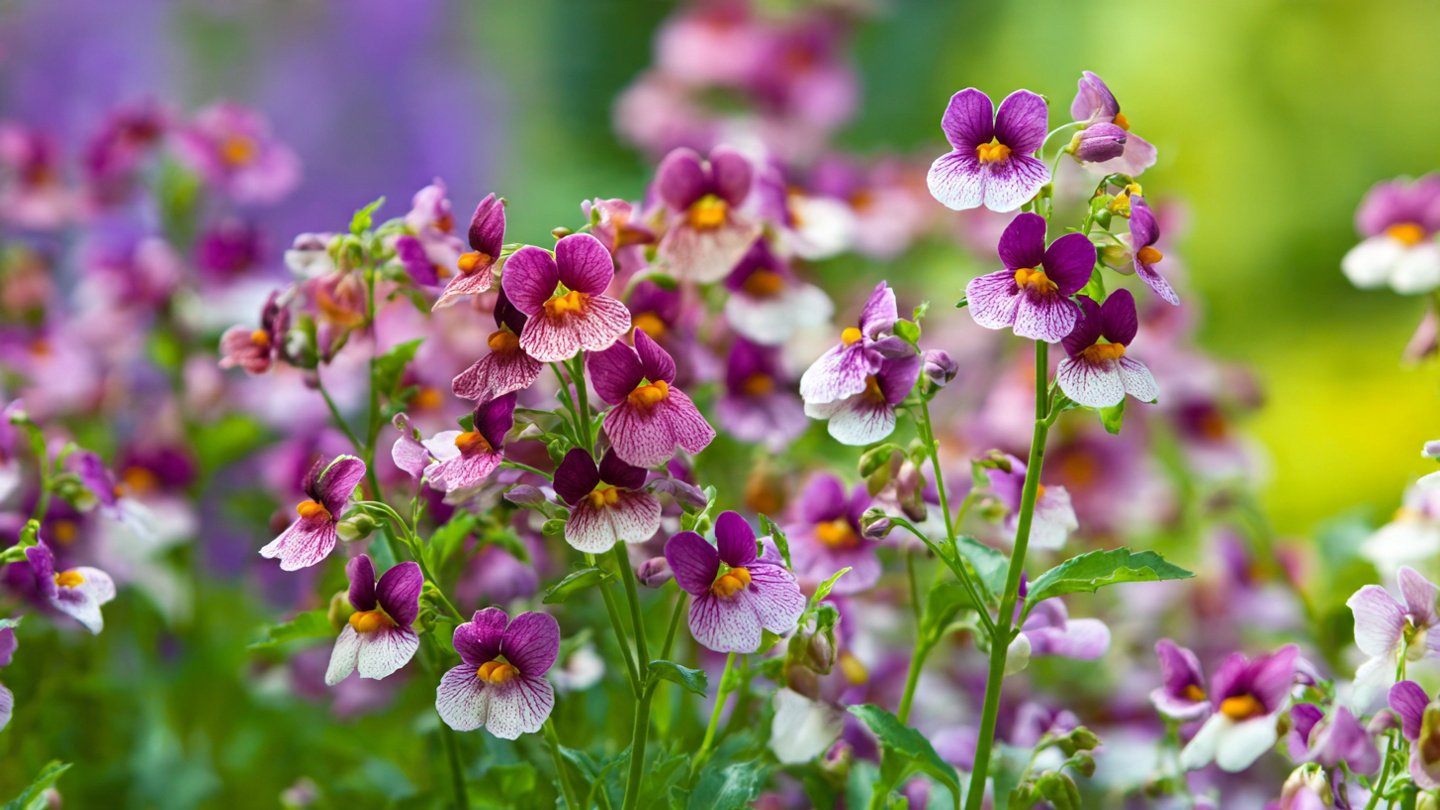
Nemesia is a charming and versatile flowering plant that can add vibrant color and delightful scent to your garden. Native to South Africa, this annual and perennial plant comes in a variety of colors, including shades of purple, blue, yellow, and white. With a manageable height and a sprawling, bushy growth form, nemesia is perfect for garden beds, borders, and containers. This article explores the best techniques for successfully growing nemesia in your home garden, covering soil preparation, planting strategies, care requirements, and more.
1. Understanding Nemesia
Before delving into the practicalities of growing nemesia, it’s essential to understand what it is. The genus Nemesia consists of around 50 species, many of which are cultivated for their ornamental value. While they generally bloom in spring and summer, some varieties can flower well into fall. Their delicate, tubular flowers attract pollinators like bees and butterflies, making them an excellent addition to pollinator gardens.
Latest Posts
- OnePlus Turbo 6V 5G Launched – for Gamers with 9000mAh Battery, 220MP Camera & Snapdragon 8s Gen 4
- Realme GT 8 Pro Officially Launched – 200MP Camera, 7,000mAh Battery and Snapdragon 8 Elite
- OPPO K13 Turbo 5G Launched – 7,000mAh Battery, 50MP Camera and High-Performance Chipset
- Realme 17 Pro 5G Unveiled – IP69K Certified, 200MP Camera and Massive 8600mAh Battery
- Vivo Premium Smartphone Launched – 200MP Camera, 90W Fast Charging and 16GB RAM
- POCO F8 Ultra Launched – Snapdragon Flagship Power, Bose Audio and Huge Battery
- POCO F8 Ultra Launched – Snapdragon Flagship Power, Bose Audio and Huge Battery
- OnePlus Nord 3 5G Launched – 120Hz AMOLED Display, 50MP Camera and 5,000mAh Battery
- OnePlus Nord CE4 Launched – Powerful Snapdragon 7 Gen 3, 50MP Camera and Long-Lasting Battery
- OnePlus Smartphone Revealed – Premium 5G Smartphone with 200MP Camera, 24GB RAM and 100W Fast Charging
Types of Nemesia
- Nemesia strumosa: The most commonly grown variety with a range of color options, well-suited for containers.
- Nemesia fruticans: A perennial species known for its larger flowers and a bushy habit.
- Nemesia ‘Wisley Vanilla’: A popular hybrid with a soft, creamy-white color and compact growth.
2. Choosing the Right Location
Sunlight Requirements
Nemesia thrives in well-draining soil and prefers full sun to partial shade. Aim for at least six hours of direct sunlight each day. In hotter climates, providing some afternoon shade can help prevent the blooms from wilting.
Air Circulation
Good air circulation is essential to prevent fungal diseases. Space plants adequately to ensure that air can flow freely around them, particularly in humid conditions.
3. Soil Preparation
Soil Type

Nemesia prefers light, well-draining soil. Sandy loam or a mix of potting soil with perlite works well. Heavy clay soils can lead to root rot and other moisture-related issues.
pH Levels
A slightly acidic to neutral pH (around 6.0 to 7.0) is ideal for nemesia. Conduct a soil test to determine your soil’s pH and amend it if necessary.
Soil Amendments
Incorporate organic matter, such as compost or well-rotted manure, to enhance soil fertility and structure. This will improve moisture retention while ensuring that roots can breathe.
4. Planting Techniques
When to Plant
Nemesia can be started from seed indoors about 6-8 weeks before the last frost or directly sown outdoors after the danger of frost has passed. For indoor planting, use seed trays and keep the soil moist until germination.
Spacing
When planting nemesia in the garden, space plants about 6 to 12 inches apart, depending on the specific variety. Compact varieties can be planted closer together, while larger-growing types require more room.
Planting Depth
Plant nemesia at a depth equal to their root ball. Ensure that the crown of the plant is slightly above the soil line to prevent rot.
5. Caring for Your Nemesia
Watering

Nemesia prefers evenly moist soil. While drought-tolerant once established, they benefit from regular watering during dry spells. Water deeply once or twice a week, allowing the soil to dry out slightly between waterings.
Fertilization
Apply a balanced fertilizer every four to six weeks during the growing season. A slow-release granular fertilizer or liquid fertilizer can be beneficial. Too much nitrogen can lead to excessive foliage growth at the expense of flowers, so opt for a fertilizer that promotes blooming.
Pruning
Deadheading, or removing spent flowers, encourages new blooms and extends the flowering period. Prune back leggy growth to promote a bushier appearance.
6. Pest and Disease Management
Common Pests
- Aphids: These small insects can be controlled with insecticidal soap or a strong stream of water.
- Spider Mites: Signs include webbing on plants. Increase humidity and use miticides if necessary.
- Whiteflies: These pests can be addressed with yellow sticky traps or insecticidal soap.
Fungal Diseases
Fungal diseases can occur if the plants are too crowded or moisture is retained around the leaves. Avoid overhead watering and ensure good air circulation to mitigate these risks.
7. Seasonal Considerations
Autumn Care
As fall approaches, you can either treat nemesia as an annual or try to overwinter tender varieties. In cold climates, mulch around the base to protect roots, or bring potted plants indoors.

Winter Care
In regions with milder winters, nemesia can remain in the garden. Cut back dead foliage and apply a layer of mulch for insulation.
8. Propagation Techniques
Seed Propagation
Collect seeds from spent flowers in the late summer and store them in a cool, dry place. Seeding directly in the garden in the spring is also effective.
Cuttings
Softwood cuttings can be taken in the late spring or early summer. Place cuttings in water or a propagation mix until roots develop.
9. Container Gardening with Nemesia
Choosing Containers
Select pots that have drainage holes to prevent excess moisture. Use a high-quality potting mix that contains organic matter.
Arranging in Containers
Plant nemesia with complementary flowers such as lobelia or petunias for a colorful display. Consider the height and color of each plant to create visually appealing arrangements.
10. Landscape Design Ideas
Borders and Edges

Use nemesia to create colorful borders along paths or garden beds. Their low growth makes them ideal for edging.
Hanging Baskets
Their trailing nature makes nemesia a great choice for hanging baskets or window boxes, where their flowers can cascade beautifully.
Mixed Flower Beds
Combine nemesia with other annuals and perennials for a vibrant and diverse flower bed. Their blooms can complement a wide range of garden styles, from cottage gardens to modern landscapes.
FAQs
1. How much sunlight does nemesia need?
Nemesia thrives in full sun to partial shade, needing at least six hours of direct sunlight each day.
2. What is the best soil for growing nemesia?
Light, well-draining soil with a slightly acidic to neutral pH (6.0 to 7.0) is ideal.
3. How often should I water nemesia?
Water nemesia deeply once or twice a week, allowing the soil to dry out slightly between watering.
4. Can nemesia survive winter?
In colder climates, nemesia is treated as an annual, but in milder areas, it may overwinter with proper care, such as mulching.

5. How can I propagate nemesia?
Nemesia can be propagated through seed collection or softwood cuttings taken in late spring or early summer.
6. What are common pests that affect nemesia?
Common pests include aphids, spider mites, and whiteflies. These can be managed with insecticidal soaps or other treatments.
7. Should I deadhead nemesia flowers?
Yes, deadheading spent flowers encourages additional blooms and prolongs the flowering season.
8. How do I prevent fungal diseases in nemesia?
Avoid overhead watering, ensure good air circulation, and space plants adequately to prevent fungal diseases.
By following these techniques and practices, you can cultivate a thriving nemesia garden that will fill your space with vibrant colors and enchanting aromas, bringing joy to your gardening experience!
Leave a Reply