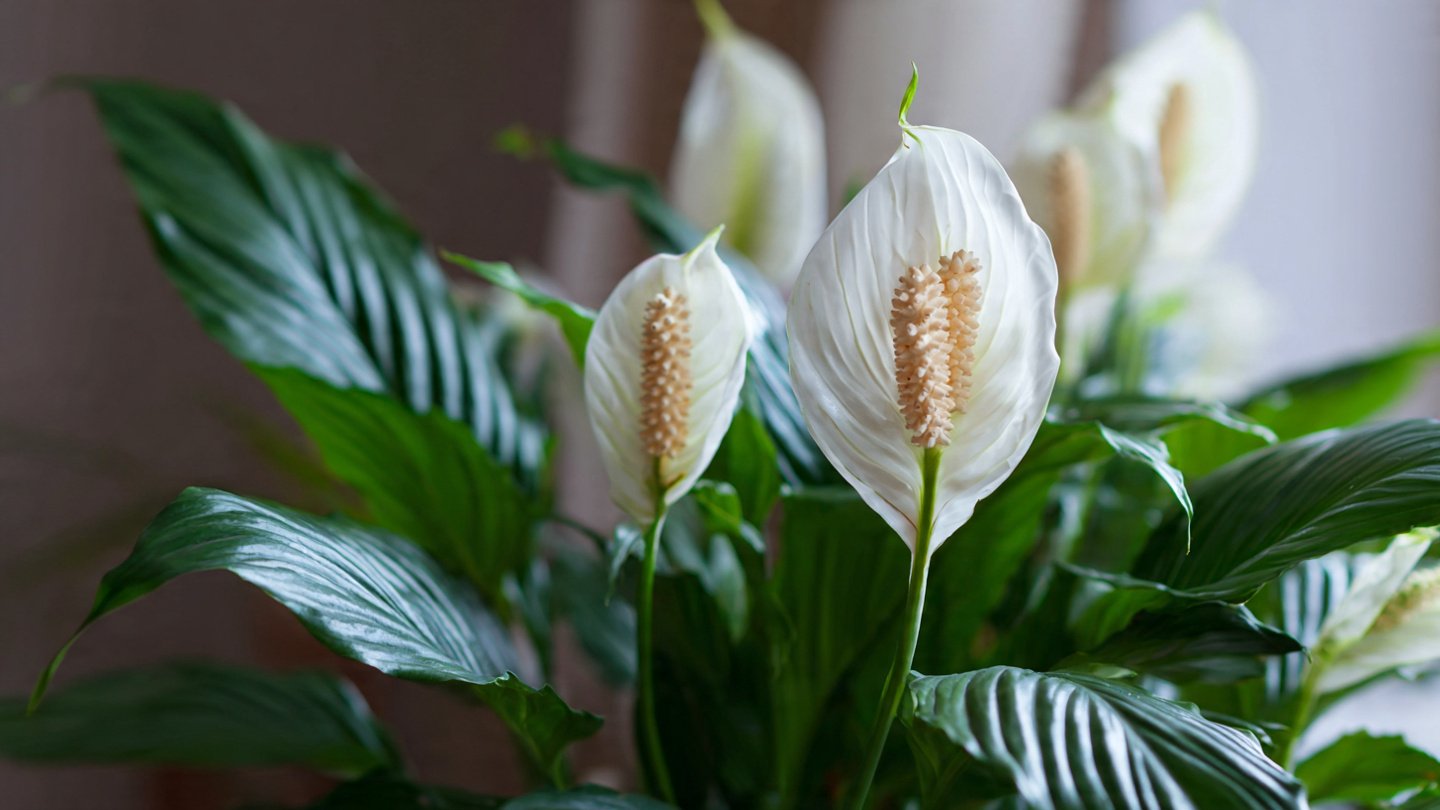
The Peace Lily (Spathiphyllum) is a popular indoor plant known for its elegant white flowers and lush green foliage. Not only does it beautify any living space, but it also acts as a natural air purifier, making it an ideal choice for homes and offices. This comprehensive guide covers all aspects of growing Peace Lily flowers indoors, including care tips, common issues, and frequently asked questions.
1. Understanding the Peace Lily
1.1 Botanical Overview
Latest Posts
- OnePlus Turbo 6V 5G Launched – for Gamers with 9000mAh Battery, 220MP Camera & Snapdragon 8s Gen 4
- Realme GT 8 Pro Officially Launched – 200MP Camera, 7,000mAh Battery and Snapdragon 8 Elite
- OPPO K13 Turbo 5G Launched – 7,000mAh Battery, 50MP Camera and High-Performance Chipset
- Realme 17 Pro 5G Unveiled – IP69K Certified, 200MP Camera and Massive 8600mAh Battery
- Vivo Premium Smartphone Launched – 200MP Camera, 90W Fast Charging and 16GB RAM
- POCO F8 Ultra Launched – Snapdragon Flagship Power, Bose Audio and Huge Battery
- POCO F8 Ultra Launched – Snapdragon Flagship Power, Bose Audio and Huge Battery
- OnePlus Nord 3 5G Launched – 120Hz AMOLED Display, 50MP Camera and 5,000mAh Battery
- OnePlus Nord CE4 Launched – Powerful Snapdragon 7 Gen 3, 50MP Camera and Long-Lasting Battery
- OnePlus Smartphone Revealed – Premium 5G Smartphone with 200MP Camera, 24GB RAM and 100W Fast Charging
The Peace Lily belongs to the Araceae family, which comprises over 40 species. Native to tropical rainforests in Central and South America, it thrives in humid environments with dappled sunlight. The plant’s glossy leaves and white blooms make it not only attractive but also a symbol of peace and tranquility.
1.2 Unique Characteristics
- Flowers: The flowers of the Peace Lily are technically called spathes, which surround a central spike (the spadix). The spathes start as green and transition to white as they mature.
- Foliage: The dark green, elliptical leaves can grow up to 15 inches long and can enhance the aesthetic of any indoor setting.
2. Ideal Conditions for Growing Peace Lily Flowers
2.1 Lighting
Peace Lilies prefer bright, indirect light. Direct sunlight can scorch their leaves, while too little light can hinder blooming. An ideal location is near a north or east-facing window.
2.2 Temperature
This plant thrives in temperatures between 65°F to 85°F (18°C to 29°C). It’s crucial to keep it away from cold drafts and sudden temperature fluctuations.
2.3 Humidity
High humidity is essential for the health of Peace Lilies. Aim for humidity levels above 40%. You can increase humidity through:

- Misting: Lightly spray the leaves with water.
- Pebble trays: Place the pot on a tray filled with pebbles and water, ensuring the base of the pot isn’t submerged.
- Humidifiers: Use a humidifier in dry conditions.
2.4 Soil Requirements
A well-draining potting mix is critical. A mixture designed for houseplants or a combination of peat moss, perlite, and bark works well. Aim for a slightly acidic to neutral pH (around 5.8 to 6.5).
3. Planting and Repotting
3.1 Choosing the Right Pot
Select a pot with drainage holes to prevent root rot. The pot size should allow for some growth – typically one size larger than the current pot when repotting.
3.2 Planting Steps
- Preparation: Choose a healthy Peace Lily with no signs of disease.
- Layering: Place a layer of the prepared potting mix at the bottom of the pot.
- Positioning: Remove the plant from its previous pot, gently loosening the roots if necessary, and place it in the new pot.
- Filling: Add more potting mix around the sides and water thoroughly.
3.3 When to Repot
Repot every 1-2 years or when the roots become tightly bound. Signs include water pooling on the surface and slow growth.

4. Watering Your Peace Lily
4.1 Frequency
Water Peace Lilies thoroughly but allow the top inch of soil to dry out between waterings. Depending on the environment, this may be weekly or bi-weekly.
4.2 Signs of Overwatering and Underwatering
- Overwatering: Yellowing leaves and root rot.
- Under-watering: Wilting leaves and brown tips.
To maintain an ideal balance:
- Check soil moisture: Use your finger to gauge soil dampness.
- Use room temperature water: This will help avoid shocking the plant.
5. Fertilization
5.1 When to Feed
During the growing season (spring and summer), feed your Peace Lily every 6-8 weeks with a balanced liquid houseplant fertilizer.
5.2 Seasonal Changes
In fall and winter, reduce feeding as the plant enters dormancy. Over-fertilization can lead to leaf burn and hinder blooming.

6. Pruning and Cleaning
6.1 Pruning
Regularly remove yellow or dead leaves to promote growth. You can also cut back spent flowers at the base to encourage new blooms.
6.2 Leaf Care
Dust can accumulate on leaves, obstructing photosynthesis. Wipe leaves with a damp cloth every few weeks to keep them clean.
7. Common Pests and Diseases
7.1 Pests
While Peace Lilies are relatively resistant, they can still attract pests such as:
- Spider mites: Typically appear during dry conditions. Increase humidity to deter them.
- Mealybugs: Show up as white cotton-like clusters. Treat with insecticidal soap.
7.2 Diseases
- Root Rot: Often caused by overwatering. Ensure proper drainage.
- Leaf Spot: Fungal infection caused by excessive moisture. Improve air circulation and water the soil, not the leaves.
8. Encouraging Blooms

8.1 Understanding Blooming
Peace Lilies bloom primarily in spring and summer, but with optimal care, they may flower year-round.
8.2 Tips for Encouraging Blooming
- Ensure the plant receives adequate indirect sunlight.
- Do not let the plant become pot-bound; repot as necessary.
- Fertilize during the growing season to promote blooms.
9. FAQs
9.1 How often should I water my Peace Lily?
Water when the top inch of soil feels dry, typically every week to ten days.
9.2 Why are my Peace Lily leaves turning yellow?
Yellow leaves can result from overwatering, poor drainage, or low light conditions.
9.3 How can I encourage my Peace Lily to bloom?
Provide bright, indirect light, proper fertilization, and monitor watering to encourage blooming.
9.4 Is the Peace Lily toxic to pets?
Yes, Peace Lilies are toxic to cats and dogs if ingested. Keep them out of reach of pets.

9.5 How do I propagate my Peace Lily?
You can propagate Peace Lilies by division during repotting. Carefully separate the root clumps and replant them.
9.6 Do Peace Lilies require a lot of light?
Peace Lilies prefer bright, indirect light but can adapt to lower light conditions. However, they may not bloom in low light.
9.7 Can I grow Peace Lilies in water?
While Peace Lilies can survive in water, it’s not ideal for growth. They thrive best in soil.
9.8 What should I do if my Peace Lily stops blooming?
Assess environmental conditions—check light, temperature, and humidity. Ensure not to over-fertilize and allow the plant to rest during dormancy.
Conclusion
Growing Peace Lily flowers indoors can be a rewarding endeavor with the right knowledge and care. By providing the appropriate lighting, watering, humidity, and soil conditions, you can enjoy both the beauty and air-purifying benefits of this striking plant. With regular maintenance and attention, your Peace Lily can flourish and grace your space with its elegant flowers for years to come.
Leave a Reply