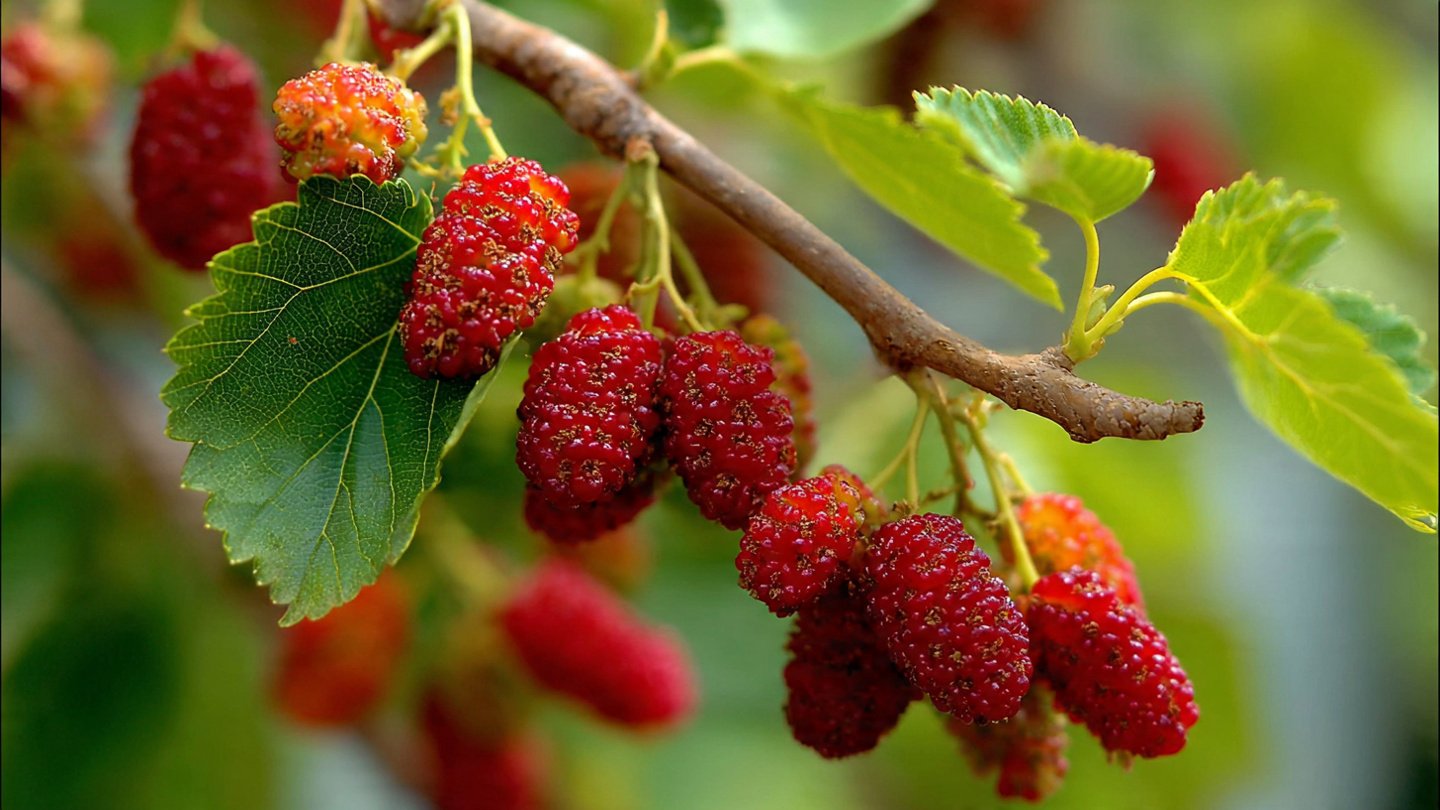
Mulberry trees (Morus spp.) are a hidden gem in the world of fruit gardening, offering a bounty of sweet and nutritious berries, vibrant foliage, and aesthetic appeal. In Canada, where diverse climate conditions impact agriculture, growing mulberries can be both satisfying and rewarding. This guide will explore the essentials of cultivating mulberry trees in Canadian gardens, focusing on optimal growth conditions, factors influencing fruit production, and practical care tips.
Understanding Mulberry Trees
Types of Mulberry Trees
Before diving into cultivation methods, it’s essential to understand the different species of mulberries suitable for Canadian climates:
- Red Mulberry (Morus rubra): Native to North America, this species is hardy enough to survive in USDA zones 4-8. Its berries are sweet and highly prized for their flavor.
- White Mulberry (Morus alba): Originally from Asia, this mulberry variety is very adaptable and can tolerate colder climates, making it a good choice for Canadian gardens (USDA zones 4-8). The fruit is often smaller than that of the red mulberry, but still delicious.
- Black Mulberry (Morus nigra): While its fruit is considered highly flavorful, this species is less cold-hardy, thriving mostly in warmer climates (USDA zones 7-9). However, it can still grow in southern Canada under ideal conditions.
Benefits of Growing Mulberries
- Nutritional Value: Mulberries are rich in vitamins C and K, antioxidants, iron, and dietary fiber.
- Ecological Value: Mulberry trees attract various wildlife, including birds and beneficial insects, fostering a balanced ecosystem.
- Versatility: The fruits can be consumed fresh, dried, or used in jams, pies, and wines.
- Ornamental Value: With lush foliage and stunning fall colors, they enhance garden aesthetics.
Choosing the Right Location
Ideal Climate Considerations
Mulberry trees thrive in areas with full sun, requiring at least 6-8 hours of sunlight per day for optimal fruit production. Given Canada’s varying climate zones, consider the following:
- Northern Regions: Opt for red mulberries or cold-hardy white varieties.
- Southern Regions: All three types can thrive; however, black mulberries might need protected spots to survive harsh winters.
Soil Preferences
Mulberries prefer well-drained, loamy soil rich in organic matter. Conduct a soil test to determine pH levels, aiming for a range between 6.0 and 7.0. If the soil is too acidic, consider adding lime; if too alkaline, sulfur can lower pH.

Drainage
Avoid low-lying areas where water pools after rainfall; mulberry trees are susceptible to root rot. If necessary, amend the soil with compost to improve drainage.
Latest Posts
- OnePlus Turbo 6V 5G Launched – for Gamers with 9000mAh Battery, 220MP Camera & Snapdragon 8s Gen 4
- Realme GT 8 Pro Officially Launched – 200MP Camera, 7,000mAh Battery and Snapdragon 8 Elite
- OPPO K13 Turbo 5G Launched – 7,000mAh Battery, 50MP Camera and High-Performance Chipset
- Realme 17 Pro 5G Unveiled – IP69K Certified, 200MP Camera and Massive 8600mAh Battery
- Vivo Premium Smartphone Launched – 200MP Camera, 90W Fast Charging and 16GB RAM
- POCO F8 Ultra Launched – Snapdragon Flagship Power, Bose Audio and Huge Battery
- POCO F8 Ultra Launched – Snapdragon Flagship Power, Bose Audio and Huge Battery
- OnePlus Nord 3 5G Launched – 120Hz AMOLED Display, 50MP Camera and 5,000mAh Battery
- OnePlus Nord CE4 Launched – Powerful Snapdragon 7 Gen 3, 50MP Camera and Long-Lasting Battery
- OnePlus Smartphone Revealed – Premium 5G Smartphone with 200MP Camera, 24GB RAM and 100W Fast Charging
Planting Your Mulberry Tree
Best Planting Time
The best time to plant mulberries in Canada is during early spring or fall when the soil is warm and moist. Ensure that you space your trees adequately, allowing for their mature size, typically 15 to 30 feet depending on the type.
Planting Steps
- Digging the Hole: Make a hole that is twice the width and depth of the root ball to promote root growth.
- Soil Preparation: Mix native soil with compost to enrich the planting area.
- Placing the Tree: Position the tree in the center of the hole, ensuring that the root flare is level with the soil surface.
- Backfilling: Fill in the hole gently, avoiding air pockets. Water thoroughly to settle the soil.
- Mulching: Apply a layer of organic mulch around the base to retain moisture and suppress weeds.
Care and Maintenance
Watering Requirements
Mulberry trees require regular watering, especially during their first year. Establish a deep watering routine, allowing the top few inches of soil to dry out between waterings. Established trees are more drought-tolerant but still benefit from occasional deep watering during dry spells.
Fertilization
To promote healthy growth and fruit production, mulberries benefit from a balanced fertilizer application in early spring. A 10-10-10 NPK fertilizer is ideal; follow package instructions for application rates. Too much nitrogen can lead to excessive foliage at the expense of fruit.

Pruning
Pruning mulberry trees helps maintain their shape and encourages better air circulation, which is essential for healthy fruit development. The best time to prune is late winter or early spring before new growth begins. Remove any dead, damaged, or crossing branches and thin out crowded areas to promote overall health.
Pest and Disease Management
Common Pests
- Spider Mites: These tiny pests can cause leaf discoloration. Increase humidity and use insecticidal soap if the infestation persists.
- Scale Insects: These pests can be treated with horticultural oils or insecticidal soaps.
Diseases
- Root Rot: Prevent this by ensuring well-drained soil and avoiding overwatering.
- Leaf Spot: A fungal infection that can be managed with appropriate fungicides and improved air circulation.
Harvesting Mulberries
Identifying Ripeness
Mulberries are ready for harvest when they turn their characteristic dark color (for red and black varieties) and begin to droop. Gently pluck them, taking care not to crush the delicate berries.
Best Harvesting Practices
- Use gloves to prevent staining hands, as mulberry juice can leave marks.
- Harvest in the morning when the berries are cool for maximum freshness.
Maximizing Fruit Production
Pollination
While some mulberry varieties are self-pollinating, others benefit from cross-pollination with another variety to maximize fruit set. Planting more than one variety can enhance yield.
Climate Control
Utilize shade cloths during extreme heat and row covers during late frosts in spring to protect blossoms and young berries.

Frequently Asked Questions (FAQs)
1. Can I grow mulberry trees in pots?
Yes, dwarf varieties are suitable for container gardening. Ensure pots have good drainage and choose a large enough container (at least 20 gallons) to allow for root growth.
2. Do mulberry trees attract wildlife?
Yes, mulberry trees attract birds, butterflies, and beneficial insects, making them a great addition to an ecological garden. However, keep in mind that birds may also eat the fruits before you can harvest them.
3. How long does it take for mulberry trees to bear fruit?
Most mulberry trees start producing fruit within 2-3 years after planting, but it may take longer for some varieties. Patience is essential!
4. Are mulberries safe for dogs and other pets?
Mulberries are non-toxic to dogs and cats; however, it’s still advisable to monitor your pets as large quantities may lead to digestive upset.

5. How do I propagate mulberry trees?
Mulberries can be propagated through cuttings or by grafting. Softwood cuttings taken in the spring are particularly effective.
6. What is the lifespan of a mulberry tree?
With proper care, mulberry trees can live for several decades—some may even reach up to 75 years or more.
7. Can I grow mulberry trees in northern Canada?
Although some varieties are less hardy, select cold-tolerant species like the red or white mulberry to improve success in northern climates.
Cultivating mulberry trees can greatly enrich Canadian gardens, both in terms of aesthetic and nutritional value. With dedication and proper care, you’ll enjoy a bountiful harvest year after year. Happy gardening!

Leave a Reply