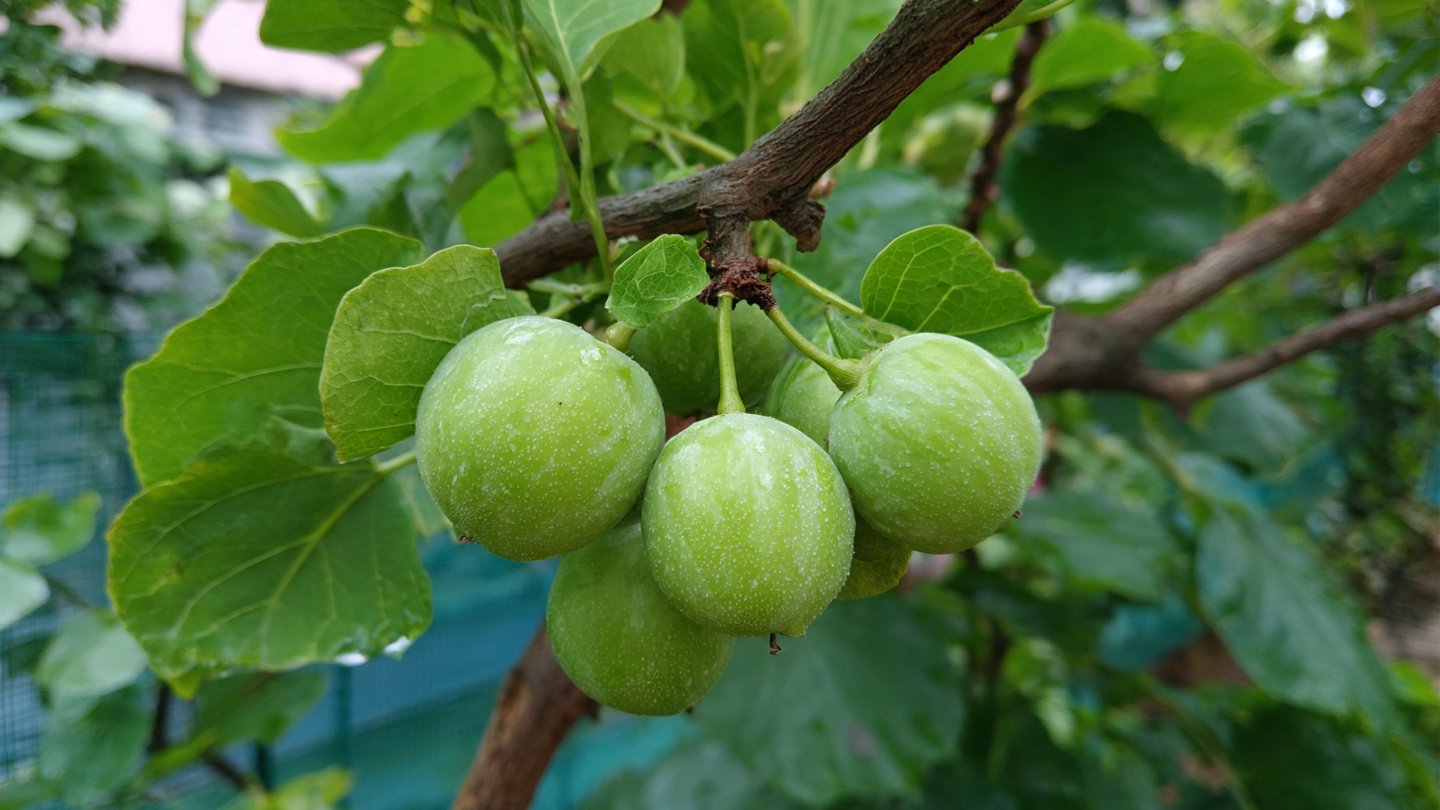
Tinda, also known as Indian round gourd, is a versatile and nutritious vegetable that shines in multiple cuisines across the Indian subcontinent. Renowned for its unique flavor, it is a great choice for home gardeners looking to diversify their vegetable patch. Whether you’re a seasoned gardener or a beginner, understanding the best techniques for growing tinda can help you achieve a bountiful harvest. This article explores everything from soil preparation to pest management, ensuring your tinda plants thrive.
Why Grow Tinda?
Before diving into the specifics of cultivation, it’s essential to understand why you might want to grow tinda:
Latest Posts
- OnePlus Turbo 6V 5G Launched – for Gamers with 9000mAh Battery, 220MP Camera & Snapdragon 8s Gen 4
- Realme GT 8 Pro Officially Launched – 200MP Camera, 7,000mAh Battery and Snapdragon 8 Elite
- OPPO K13 Turbo 5G Launched – 7,000mAh Battery, 50MP Camera and High-Performance Chipset
- Realme 17 Pro 5G Unveiled – IP69K Certified, 200MP Camera and Massive 8600mAh Battery
- Vivo Premium Smartphone Launched – 200MP Camera, 90W Fast Charging and 16GB RAM
- POCO F8 Ultra Launched – Snapdragon Flagship Power, Bose Audio and Huge Battery
- POCO F8 Ultra Launched – Snapdragon Flagship Power, Bose Audio and Huge Battery
- OnePlus Nord 3 5G Launched – 120Hz AMOLED Display, 50MP Camera and 5,000mAh Battery
- OnePlus Nord CE4 Launched – Powerful Snapdragon 7 Gen 3, 50MP Camera and Long-Lasting Battery
- OnePlus Smartphone Revealed – Premium 5G Smartphone with 200MP Camera, 24GB RAM and 100W Fast Charging
- Nutritional Benefits: Tinda is low in calories and packed with vitamins, fiber, and antioxidants, making it a healthy addition to any diet.
- Culinary Versatility: It can be cooked in various ways—stir-fried, in curries, or as a stuffing—adding diverse flavors to your meals.
- Aesthetic Appeal: The vine itself showcases beautiful green fruits, making it a visually appealing addition to your garden.
Growing Conditions for Tinda
Climate
Tinda thrives in warm climates. Ideally, the temperature should range between 20°C and 30°C (68°F to 86°F). In cooler regions, consider starting seeds indoors to transplant after the last frost.
Soil

- Soil Type: Tinda prefers loamy or sandy soil with good drainage. Heavy clay soils may cause root rot.
- pH Level: Aim for a soil pH of 6.0 to 7.0. You can test the pH with home kits available at garden stores.
- Organic Matter: Incorporate plenty of organic compost to enrich the soil with necessary nutrients.
Sunlight
Tinda requires full sunlight to thrive. Select a spot in your garden that receives at least 6 to 8 hours of direct sunlight each day.
Planting Tinda
Seed Selection
Choose healthy seeds from reputable suppliers. You can also go for hybrid varieties for better yields and disease resistance.
Germination
You can start your tinda seeds indoors 4 to 6 weeks before the last frost date:
- Seed Soaking: Soak the seeds in water overnight to promote faster germination.
- Planting Depth: Plant seeds about 1 inch deep in seed trays or peat pots.
- Moisture: Maintain consistent moisture, but avoid waterlogging. Water the seeds as necessary to keep the soil damp but not soggy.

Transplanting
Transplant the seedlings outdoors when they have developed at least two sets of leaves and the outdoor conditions are suitable.
- Spacing: Space the seedlings at least 2 to 3 feet apart, allowing ample space for growth.
- Secondary Support: Provide a trellis or allow them to climb, which keeps the fruit off the soil and minimizes disease risk.
Care and Maintenance
Watering
- Frequency: Water the plants regularly, especially during dry spells, to keep the soil evenly moist.
- Avoid Overwatering: Ensure that excess water drains away to avoid root rot.
- Mulching: Use organic mulch around the plants to retain moisture and suppress weeds.

Fertilization
- Initial Fertilization: Use a balanced fertilizer at planting time.
- Side Dressing: After the plants have established, side-dress with compost or a nitrogen-rich fertilizer during the growing season.
Pruning
Regularly prune your tinda plants to encourage airflow and light penetration. Remove any yellowing or diseased leaves to promote healthy growth. Pruning also helps to focus the plant’s energy on fruit production.
Pest and Disease Management
Common Pests
- Aphids: These can be controlled using insecticidal soap or neem oil.
- Caterpillars: Handpick or use Bt (Bacillus thuringiensis) to target them effectively.
- Spider Mites: Regularly mist the plants to keep these pests at bay.
Diseases
- Powdery Mildew: This often appears in humid conditions. Reduce humidity by spacing plants properly and avoiding overhead watering.
- Downy Mildew: Similar to powdery mildew, this disease thrives in damp conditions. Remove infected leaves immediately.

Harvesting
Tinda is typically ready for harvest 6 to 8 weeks after planting. The fruits should be picked when they are about the size of a tennis ball and still tender. Overripe fruits can become tough and seedy, so it’s best to harvest them young.
- Picking: Use sharp scissors or pruning shears to cut the fruit from the vine.
- Storage: Store harvested tinda in a cool, dry place. They usually last about a week in the refrigerator.
Frequently Asked Questions (FAQs)
Q1: Can I grow tinda in pots?
Yes! You can grow tinda in pots as long as the container is at least 14 inches deep and has good drainage. Provide a trellis for support.
Q2: Is tinda a perennial or annual plant?
Tinda is typically grown as an annual plant, completing its life cycle within one growing season.

Q3: How can I improve my tinda yield?
Ensuring adequate sunlight, proper watering, regular fertilization, and timely harvesting can all significantly improve your yield.
Q4: What are the best companions for tinda?
Tinda grows well with tomatoes, beans, and corn. Avoid planting it near potatoes, as they may share similar pests and diseases.
Q5: Can tinda be grown from cuttings?
While tinda is generally grown from seeds, you can propagate from cuttings, although the success rate may vary.
Conclusion
With proper attention to climate, soil, and care techniques, growing tinda in your home garden can be both rewarding and enjoyable. By following these best practices, you can enjoy a steady supply of this nutritious vegetable throughout the growing season. Happy gardening!
Leave a Reply