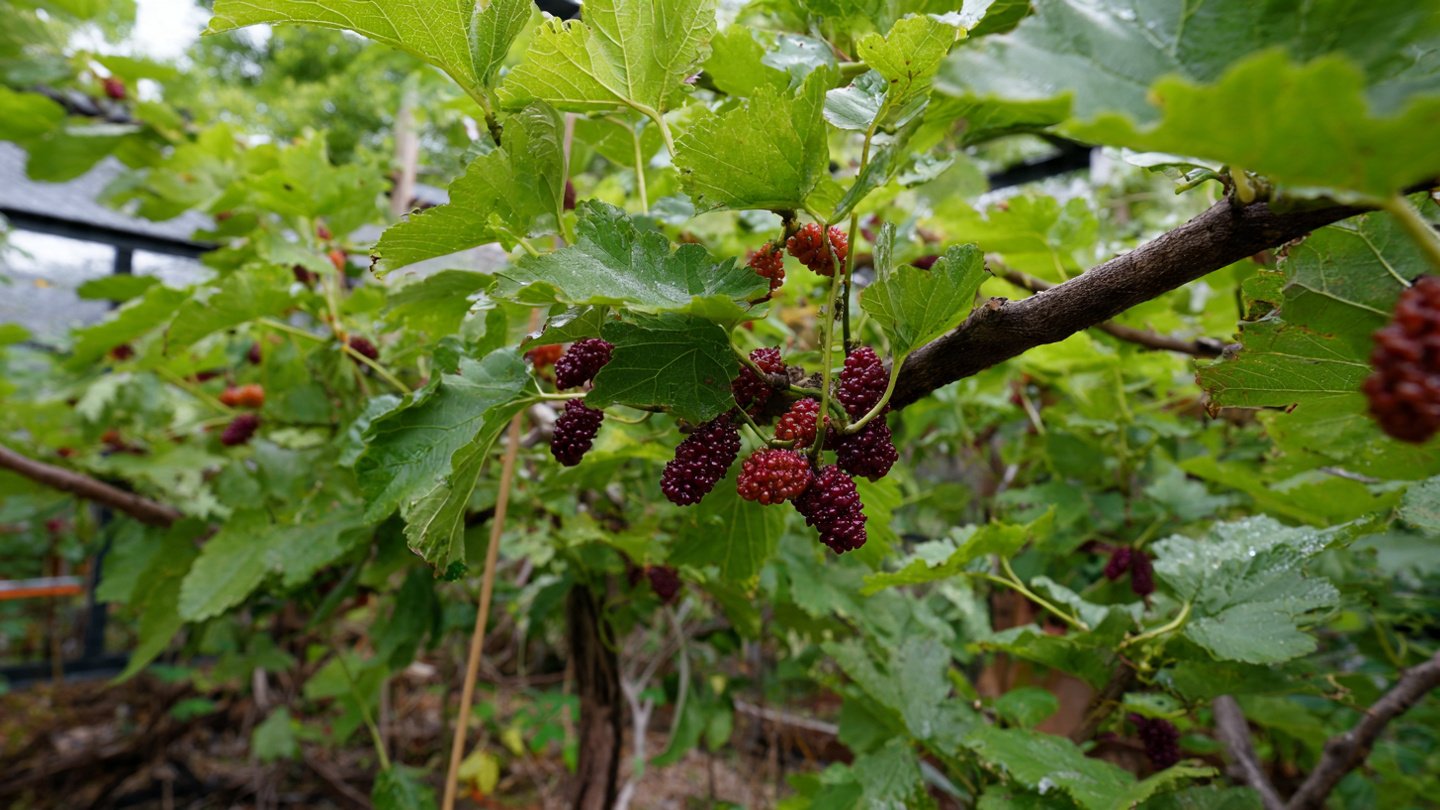
Mulberry trees (Morus spp.) are not only treasured for their richly flavored fruits but also for their robust nature and aesthetic appeal. Whether you are a seasoned gardener or a newcomer, cultivating hardy mulberry trees can enrich your garden with beauty and bountiful harvests. This comprehensive guide will delve into everything you need to know about growing and maintaining mulberry trees, ensuring they thrive in your garden, even under challenging conditions.
Understanding Mulberry Trees
Species of Mulberry
Latest Posts
- OnePlus Turbo 6V 5G Launched – for Gamers with 9000mAh Battery, 220MP Camera & Snapdragon 8s Gen 4
- Realme GT 8 Pro Officially Launched – 200MP Camera, 7,000mAh Battery and Snapdragon 8 Elite
- OPPO K13 Turbo 5G Launched – 7,000mAh Battery, 50MP Camera and High-Performance Chipset
- Realme 17 Pro 5G Unveiled – IP69K Certified, 200MP Camera and Massive 8600mAh Battery
- Vivo Premium Smartphone Launched – 200MP Camera, 90W Fast Charging and 16GB RAM
- POCO F8 Ultra Launched – Snapdragon Flagship Power, Bose Audio and Huge Battery
- POCO F8 Ultra Launched – Snapdragon Flagship Power, Bose Audio and Huge Battery
- OnePlus Nord 3 5G Launched – 120Hz AMOLED Display, 50MP Camera and 5,000mAh Battery
- OnePlus Nord CE4 Launched – Powerful Snapdragon 7 Gen 3, 50MP Camera and Long-Lasting Battery
- OnePlus Smartphone Revealed – Premium 5G Smartphone with 200MP Camera, 24GB RAM and 100W Fast Charging
-
White Mulberry (Morus alba):
- Originating in Asia, this species is known for its fast growth and high leaf yield, making it a favorite for silkworms. Its fruits are sweet and edible.
-
Black Mulberry (Morus nigra):
- A native to Western Asia and the Mediterranean, it produces a dark purple fruit that is aromatic and flavorful. This variety is hardier and can tolerate colder climates.
-
Red Mulberry (Morus rubra):
- Found in North America, this species thrives in a variety of soils and environments. Its juicy berries are enjoyed fresh or in preserves.
Benefits of Growing Mulberry Trees
- Ecosystem Support: Mulberry trees attract insects like bees and butterflies, contributing to biodiversity.
- Wildlife Habitat: Their dense foliage provides shelter and food for birds and small mammals.
- Soil Improvement: Mulberries can help improve soil structure with their extensive root systems, preventing erosion.

Growing Conditions
Climate
Mulberries thrive in USDA hardiness zones 5 to 9. They prefer temperate climates with cold winters and warm, dry summers. While some species can tolerate heat, mulberries are generally best suited for areas with well-defined seasons.
Soil Requirements
Mulberry trees are adaptable and can grow in various soil types, though they prefer:
- Well-drained Soil: Sandy or loamy soil is ideal for preventing root rot.
- pH Levels: They tolerate slightly acidic to neutral pH levels (6.0 to 7.5).
Sunlight
Mulberry trees require full sun for optimal growth, meaning they need at least 6 to 8 hours of direct sunlight each day. In shaded conditions, these trees may produce fewer fruits and have less vigorous growth.
Planting Instructions
Selecting a Site
- Choose a spacious area: Mulberries can become large trees; allow plenty of room for their branches to spread.
- Avoid windy spots: Although generally resilient, young trees may suffer in high winds.

Preparing the Soil
- Soil Test: Conduct a pH test to ensure the soil falls within the preferred range.
- Amendments: If necessary, add organic matter such as compost to improve soil quality.
Planting Steps
- Dig a Hole: The hole should be twice as wide and the same depth as the root ball.
- Position the Tree: Place the tree in the center, ensuring the root collar is level with the soil surface.
- Backfill: Fill the hole with soil, pressing lightly to eliminate air pockets.
- Watering: Water thoroughly after planting and add a layer of mulch to retain moisture.
Caring for Mulberry Trees
Watering
- Newly Planted Trees: Water frequently to establish roots, aiming for deep watering once or twice a week during the growing season.
- Mature Trees: Once established, mulberries are drought-resistant; however, supplemental watering may be necessary during extreme drought periods.
Fertilization
- Spring Application: Fertilize with a balanced fertilizer in early spring before new growth begins.
- Organic Options: Compost or well-rotted manure serves as excellent organic fertilizers, promoting healthy growth.

Pruning
Pruning is essential to maintain shape, encourage healthy growth, and increase fruit production. Key pruning tips include:
- Timing: Perform pruning in late winter or early spring before new growth emerges.
- Techniques:
- Remove dead or diseased branches.
- Thin out crowded areas to promote light penetration.
- Maintain a central leader for a strong structure.
Pest and Disease Management
Mulberry trees are relatively pest-resistant. However, certain pests and diseases can affect their health:
- Common Pests: Aphids, spider mites, and scale insects may appear but are manageable with neem oil or insecticidal soap.
- Diseases: Leaf spot, root rot, and powdery mildew can be prevented through good cultural practices, such as adequate spacing and proper watering practices.
Harvesting Mulberries
Timing
- Fruiting Period: Mulberries typically ripen in late spring to early summer, depending on the species and climate.
- Signs of Ripeness: Ripe fruits will be fully colored (red, purple, or black) and slightly soft to the touch.

Harvesting Techniques
- Manual Picking: Gently pull the fruit from the stem, ensuring you do not damage the branch.
- Use of Tarp: Lay a tarp on the ground beneath the tree to catch fallen fruits, making harvest easier.
Uses of Mulberries
- Fresh Eating: Enjoy them straight from the tree.
- Cooking: Use in pies, jams, and sauces.
- Freezing: Mulberries freeze well, maintaining their flavor for winter use.
Creating a Resilient Garden with Mulberries
Incorporating mulberry trees into your garden can enhance resilience against climate change and environmental stressors. Here’s how:
Biodiversity
Mulberry trees attract various species, promoting a balanced ecosystem. This can enhance pollination and help in controlling pests naturally.
Soil Health
The extensive root systems of mulberries improve soil aeration and moisture retention, benefiting nearby plants.
Aesthetics and Shade
With their broad canopies, mulberry trees provide lovely shade, improving the outdoor space’s livability.

FAQs
1. Can mulberry trees be grown in containers?
Yes, dwarf varieties of mulberry trees can be grown in containers, but ensure the container is large enough (at least 20 gallons) and has adequate drainage.
2. How long does it take for mulberry trees to bear fruit?
Typically, mulberry trees may start bearing fruit within 1 to 2 years after planting, depending on the species and growing conditions.
3. Are mulberries safe for pets?
Mulberries are generally considered non-toxic to dogs and cats. However, it’s best to monitor pet consumption, as overeating can cause digestive upset.
4. How far apart should I plant multiple mulberry trees?
To ensure adequate spacing for growth, plant mulberry trees 15 to 30 feet apart. This distance allows for airflow and light penetration.
5. Do I need a male and female tree to produce fruit?
Most mulberry species are self-pollinating, meaning a single tree can produce fruit on its own. However, planting multiple trees can enhance fruit yield.
Conclusion
Cultivating hardy mulberry trees in your garden is a rewarding endeavor that not only offers delicious fruits but also contributes to a sustainable and resilient ecosystem. With the right care and attention, these trees can flourish, providing beauty and bounty for generations. Whether you’re looking for shade, wildlife support, or delicious berries, mulberries are an excellent choice for any gardener. Embrace the challenges and joys of growing these wonderful trees, and reap the benefits of a thriving garden!
Leave a Reply