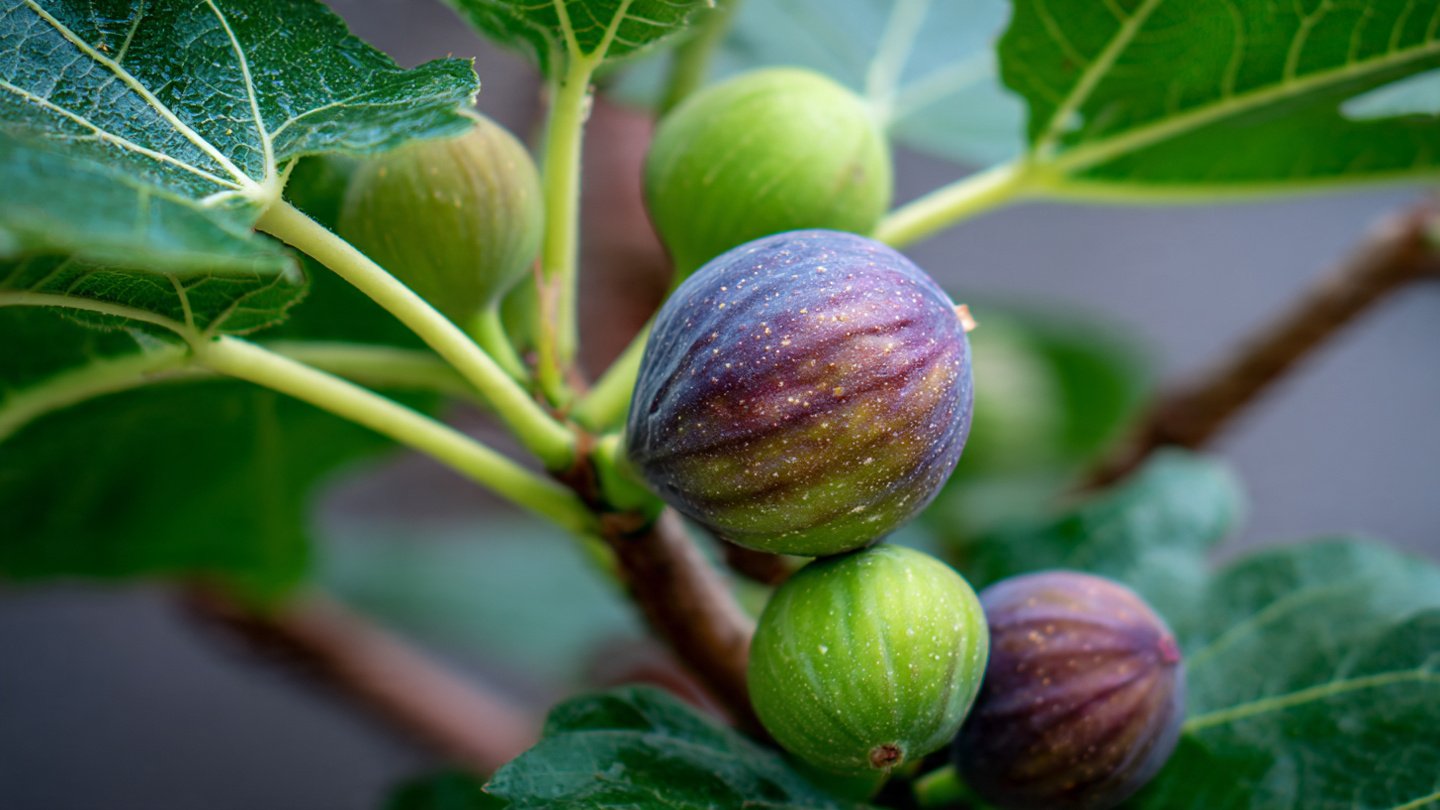
Cultivating a fig tree at home can be a rewarding experience, especially if you’re eager to enjoy fresh, juicy figs straight from your garden. Known for their sweet taste and health benefits, figs are not just delicious; they also improve your garden’s aesthetic. This article will guide you through the process of successfully growing a fig tree in your backyard or even in a pot. We’ll cover everything from choosing the right variety to planting, caring for, and harvesting your figs. Plus, we’ve included a comprehensive FAQ section to address common questions.
Understanding Fig Trees
Types of Fig Trees
Latest Posts
- OnePlus Turbo 6V 5G Launched – for Gamers with 9000mAh Battery, 220MP Camera & Snapdragon 8s Gen 4
- Realme GT 8 Pro Officially Launched – 200MP Camera, 7,000mAh Battery and Snapdragon 8 Elite
- OPPO K13 Turbo 5G Launched – 7,000mAh Battery, 50MP Camera and High-Performance Chipset
- Realme 17 Pro 5G Unveiled – IP69K Certified, 200MP Camera and Massive 8600mAh Battery
- Vivo Premium Smartphone Launched – 200MP Camera, 90W Fast Charging and 16GB RAM
- POCO F8 Ultra Launched – Snapdragon Flagship Power, Bose Audio and Huge Battery
- POCO F8 Ultra Launched – Snapdragon Flagship Power, Bose Audio and Huge Battery
- OnePlus Nord 3 5G Launched – 120Hz AMOLED Display, 50MP Camera and 5,000mAh Battery
- OnePlus Nord CE4 Launched – Powerful Snapdragon 7 Gen 3, 50MP Camera and Long-Lasting Battery
- OnePlus Smartphone Revealed – Premium 5G Smartphone with 200MP Camera, 24GB RAM and 100W Fast Charging
Before planting, it’s essential to understand the different types of fig trees. Common varieties include:
- Brown Turkey: Known for its adaptability, this variety produces large, sweet figs. It’s ideal for beginners and offers a bountiful harvest.
- Kadota: These figs are greenish-yellow and have a mild flavor. Perfect for canning and are great for warm climates.
- Celeste: Smaller but incredibly sweet, Celeste figs are popular for their rich flavor and are also cold-tolerant.
- Mission: Dark purple and sweet, Mission figs are often used in baking and can be dried, making them a versatile choice.
Choose the variety that best fits your climate, garden space, and taste preferences.
Climate Requirements
Fig trees thrive in USDA hardiness zones 6-10. They prefer a warm, sunny environment with well-draining soil. Make sure that your climate aligns with the requirements of the variety you choose.

Selecting the Right Location
Sunlight
Fig trees require full sunlight, ideally 6-8 hours of direct sun each day. When selecting a location, ensure it’s free from shade from buildings and other trees.
Soil Composition
Fig trees prefer sandy loam or well-draining soil with a pH of 6.0 to 6.8. Conduct a soil test if necessary and amend as needed to optimize conditions.
Space Considerations
If planting in the ground, leave ample space around the tree to allow for airflow and growth. Ideally, fig trees should be planted at least 15-20 feet apart if you’re planting multiple trees. If space is limited, consider container gardening.
Planting Your Fig Tree
Choosing the Right Time
The best time to plant a fig tree is in early spring or late fall when the plant is dormant. This allows the roots to establish before the heat of summer or the cold of winter.
Steps to Planting
-
Select a Healthy Sapling: Buy a healthy young tree from a nursery. Look for signs of vigor, like green leaves and a sturdy trunk.

-
Prepare the Planting Hole: Dig a hole that is twice the width and the same depth as the root ball. Break up the soil at the bottom for better drainage.
-
Soil Amendments: Mix compost with the native soil to improve the nutrient profile. Avoid heavy fertilizers at the time of planting.
-
Planting: Place the tree in the center of the hole. Ensure that the top of the root ball is level with the surrounding soil. Fill in with the amended soil and pack it down gently.
-
Watering: Water thoroughly to remove air pockets and ensure the ground is saturated.
-
Mulching: Apply a layer of mulch around the base to retain moisture and suppress weeds.
Care and Maintenance
Watering
Figs need consistent moisture, especially during the growing season. Water the tree deeply whenever the top inch of soil feels dry. However, avoid over-watering, as this can lead to root rot.
Fertilization
Fertilize in early spring with a balanced fertilizer, like a 10-10-10 NPK, to encourage healthy growth. Avoid high-nitrogen fertilizers—they can lead to lush foliage while minimizing fruit production.

Pruning
Pruning helps improve air circulation and removes dead or diseased branches. Aim to prune in late winter or early spring before new growth begins. Remove any branches that cross each other and shorten overly long ones to encourage bushiness.
Pest and Disease Control
Keep an eye out for common pests like wasps and fig beetles. Use insecticidal soap or neem oil if infestations occur. Figs are susceptible to a few diseases, including fig rust and root rot, both of which can be managed with proper care and maintenance.
Protecting From Frost
In colder climates, protect your fig tree from frost by covering it during winter months. If it’s in a pot, bring it indoors or place it in a sheltered area.
Recognizing the Signs of Ripeness
Figs do not continue to ripen once picked, so it’s crucial to know when to harvest. Ripe figs appear slightly wrinkled and yield to gentle pressure. The color should deepen, and they may droop slightly from the branch.
Harvesting Your Figs
To harvest:
- Gently twist the fig off the tree without pulling.
- Inspect for damages; only pick healthy, unblemished figs.
- Handle them carefully, as figs bruise easily.

Storing Figs
Figs are best eaten fresh but can be stored in the refrigerator for up to a week. For longer storage, consider drying or freezing your figs.
Common Troubleshooting Issues
- Leaf Drop: Might indicate over-watering or stress.
- Lack of Fruit: Can result from insufficient sunlight, over-fertilization, or improper pruning.
- Brown Spots: Often a symptom of leaf spot disease; improve air circulation and keep leaves dry.
Frequently Asked Questions
1. How long does it take for a fig tree to bear fruit?
Generally, a fig tree can start producing fruit as early as 1-2 years after planting, although some can take up to 5 years to mature fully.
2. Can I grow a fig tree in a pot?
Yes! Fig trees can thrive in containers, which can be especially beneficial for limited garden space. Choose a large pot (at least 18 inches deep) and use high-quality potting soil.

3. What should I do if my fig tree is dropping unripe fruit?
Falling unripe figs can be a natural occurrence, especially in young trees. It can also result from environmental stress like improper watering or fluctuating temperatures.
4. Are fig trees self-pollinating?
Yes, most fig trees are self-pollinating. They can produce fruit without the need for another tree nearby.
5. How do I know if my tree is getting enough water?
Apply the finger test: if the top inch of soil feels dry, it’s time to water. Additionally, droopy leaves may indicate the tree is thirsty.
6. What can I do to increase fig production?
Ensure your fig tree receives enough sunlight, proper watering, and avoid over-fertilization. Pruning can also help if done correctly.
Conclusion
Growing a fig tree can be a fulfilling endeavor, offering you the satisfaction of harvesting your homegrown fruit. By following these guidelines on selection, planting, and maintaining your fig tree, you can enjoy fresh, delicious figs year-round. With patience and care, you’ll soon find yourself enjoying the sweet rewards of your labor!
Leave a Reply