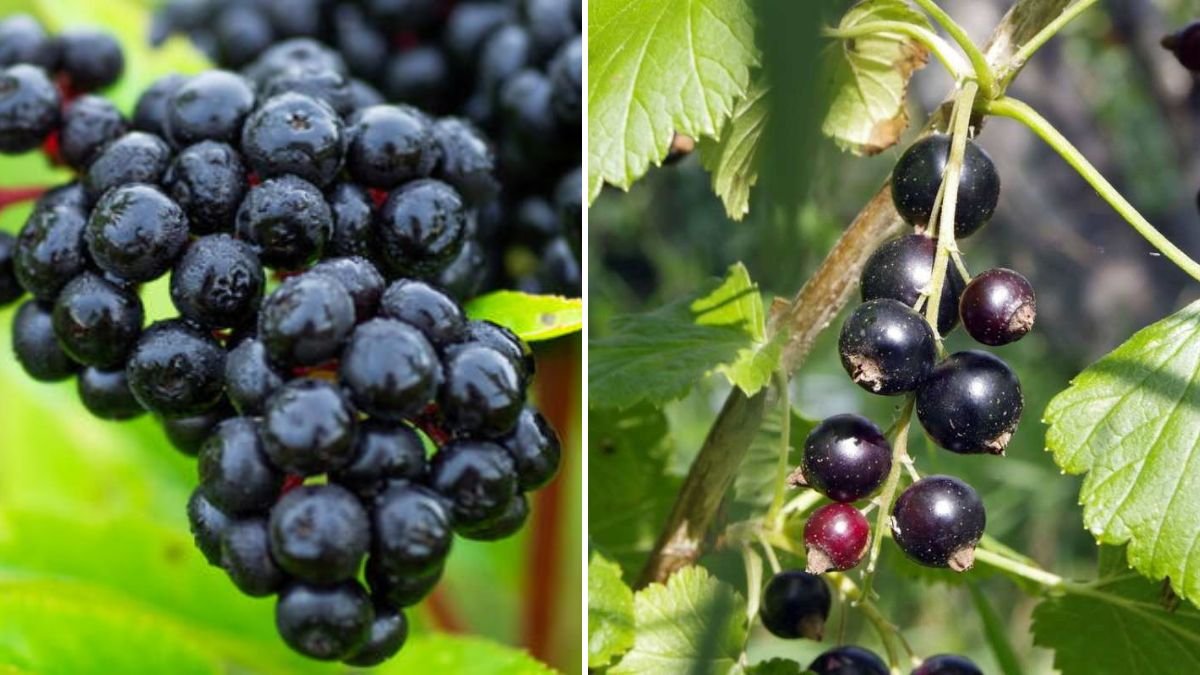
Currants are a delicious and versatile fruit that can elevate many recipes, from jams and jellies to pies and sauces. Growing currant plants at home is not only rewarding but also relatively easy, making them an excellent choice for gardeners of all skill levels. This guide will take you through every step of the process, from selecting the right varieties to harvesting your juicy berries.
What Are Currants?
Currants are small berries belonging to the Ribes genus, and they are known for their tart flavors. The three most commonly cultivated types are:
Latest Posts
- OnePlus Turbo 6V 5G Launched – for Gamers with 9000mAh Battery, 220MP Camera & Snapdragon 8s Gen 4
- Realme GT 8 Pro Officially Launched – 200MP Camera, 7,000mAh Battery and Snapdragon 8 Elite
- OPPO K13 Turbo 5G Launched – 7,000mAh Battery, 50MP Camera and High-Performance Chipset
- Realme 17 Pro 5G Unveiled – IP69K Certified, 200MP Camera and Massive 8600mAh Battery
- Vivo Premium Smartphone Launched – 200MP Camera, 90W Fast Charging and 16GB RAM
- POCO F8 Ultra Launched – Snapdragon Flagship Power, Bose Audio and Huge Battery
- POCO F8 Ultra Launched – Snapdragon Flagship Power, Bose Audio and Huge Battery
- OnePlus Nord 3 5G Launched – 120Hz AMOLED Display, 50MP Camera and 5,000mAh Battery
- OnePlus Nord CE4 Launched – Powerful Snapdragon 7 Gen 3, 50MP Camera and Long-Lasting Battery
- OnePlus Smartphone Revealed – Premium 5G Smartphone with 200MP Camera, 24GB RAM and 100W Fast Charging
- Red Currants (Ribes rubrum): Sweet and tart, they are ideal for jellies and sauces.
- Black Currants (Ribes nigrum): Rich in flavor and often used for juices and desserts.
- White Currants (Ribes sativum): A sweeter variety, these are often used in desserts or eaten fresh.
Benefits of Growing Currants
- Nutritional Value: Currants are packed with vitamins and antioxidants, making them a nutritious addition to your diet.
- Versatility: They can be used in various culinary applications, from fresh eating to preserves.
- Low Maintenance: Currant plants are relatively pest-resistant and can thrive in various conditions.
- Attractive Plants: In addition to their fruit, currant plants produce beautiful flowers and can serve as decorative elements in your garden.
Choosing the Right Variety

When starting your currant garden, selecting the right variety is crucial. Here are some popular options to consider:
- Red Currants: ‘Jonkheer van Tets’ and ‘Rovada’ are both reliable producers with excellent flavor.
- Black Currants: ‘Ben Sarek’ and ‘Ben Lomond’ are hardy varieties that yield high-quality fruit.
- White Currants: ‘White Imperial’ is commonly recommended for its sweet flavor.
Factors to Consider
- Climate: Currants prefer cooler climates, so check your hardiness zone before planting.
- Space: Ensure you have adequate space, as currant plants can grow quite bushy.
- Sunlight: Look for a location that gets full sun to partial shade.
Planting Currants
When to Plant
The best time to plant currants is either in the early spring (before budding) or in the fall after the leaves have fallen. Planting in early spring is generally preferred as it gives the plants time to establish roots before the summer heat.
How to Prepare the Soil
Currants thrive in well-draining, loamy soil with a pH between 6.0 and 6.8. Here’s how to prepare your soil:

- Test Soil pH: Use a testing kit to ensure your soil is within the desired range.
- Amend Soil: If necessary, add compost or well-rotted manure to improve fertility.
- Clear the Area: Remove weeds and debris to make way for your plants.
Planting Steps
- Spacing: Space plants 3 to 4 feet apart to allow for growth.
- Digging the Hole: Dig a hole about twice the size of the root ball.
- Position the Plant: Place the plant in the hole, ensuring the crown is at soil level.
- Backfill: Fill the hole with the soil you removed, gently packing it around the roots.
- Water: Give the newly planted currants a deep watering.
Caring for Currant Plants
Watering
Currants require consistent moisture, especially during flowering and fruiting stages. Aim for 1 to 2 inches of water per week, adjusting according to rainfall.
Fertilizing

Use a balanced fertilizer in early spring. Organic options, such as fish emulsion or compost tea, are effective and promote healthy growth. Avoid over-fertilizing, as this can lead to excessive leaf growth with fewer fruits.
Pruning
Proper pruning is essential for healthy currant plants:
- When to Prune: Late winter or early spring.
- What to Remove: Begin by removing dead, damaged, or diseased wood. Then, thin out the center to increase airflow and sunlight exposure.
- How Much to Cut: Aim to maintain a balanced shape, typically removing about one-third of the previous season’s growth.
Pest and Disease Management
Currant plants are generally resilient, but they can be susceptible to specific pests and diseases:
- Pests: Common pests include aphids and spider mites. Regular inspection and organic insecticidal soap can be very effective.
- Diseases: Fungal infections, like powdery mildew, can develop in humid conditions. Ensure adequate spacing and air circulation to minimize risks.
Harvesting Currants
When to Harvest

Currants are typically ready for harvest in late summer, depending on the variety and climate. You’ll know they’re ready when they are fully colored and slightly soft to the touch.
How to Harvest
- Gently Hand-Picking: Carefully pick clusters of berries from the stems, ensuring you do not crush them. It’s best to wear gloves to protect your hands from the juice.
- Timing: Harvest in the morning when temperatures are cooler for optimal sweetness.
- Storage: Store fresh currants in the refrigerator for up to one week. They freeze well, too—just wash and spread on a baking sheet to freeze individually before transferring to containers.
Processing Currants
Making Jam
- Ingredients: Fresh currants, sugar, and lemon juice.
- Process: Cook currants with sugar and lemon juice until the mixture thickens, then pour into sterilized jars.
Using Fresh Currants
Fresh currants can be added to salads, desserts, or smoothies for a burst of flavor.
FAQs
1. What is the best location for planting currants?

Currants prefer full sun to partial shade, with well-draining soil. Ensure they have enough space to grow without competition from weeds.
2. How do I know if my currants are ready to harvest?
Currants are ready when they are richly colored and slightly soft to the touch. Each variety has its specific harvest time, usually late summer.
3. Can I grow currants in pots?
Yes! Currants can be successfully grown in containers using quality potting soil. Ensure the pot has good drainage and water regularly.
4. Do currant plants need a lot of water?
Currants require consistent moisture, especially during the growing season. Aim for 1 to 2 inches of water per week.
5. How can I prevent pests on my currant plants?
Regularly inspect your plants for pests. You can use organic insecticidal soap or neem oil to manage infestations.
Conclusion
Growing currant plants at home is a fulfilling endeavor that can yield delicious and nutritious berries. With proper planning and care, you can create a fruitful garden that will enhance your culinary creations for years to come. By following this ultimate guide, you’ll be well on your way to enjoying your fresh, homegrown currants. Happy gardening!
Leave a Reply