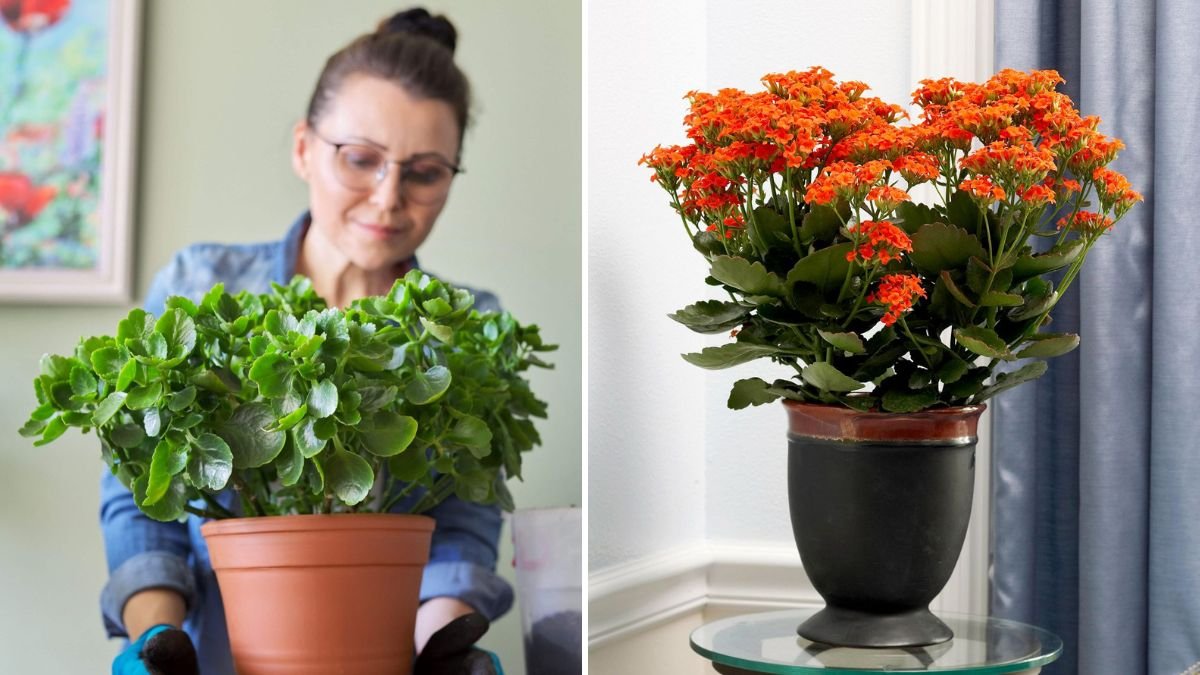
Kalanchoe, known for its vibrant flowers and fleshy leaves, is a popular choice among indoor gardeners. Originating from Madagascar, this succulent plant thrives in a variety of conditions, making it an attractive option for those looking to add a touch of greenery to their homes. In this article, we will explore the best methods for growing indoor Kalanchoe successfully without requiring special equipment.
Understanding Kalanchoe
Before diving into the specifics of care, it’s essential to understand Kalanchoe. These plants belong to the Crassulaceae family and include more than 200 different species. The most popular for indoor cultivation is Kalanchoe blossfeldiana, admired for its colorful flowers and ability to bloom for extended periods.
Latest Posts
- OnePlus Turbo 6V 5G Launched – for Gamers with 9000mAh Battery, 220MP Camera & Snapdragon 8s Gen 4
- Realme GT 8 Pro Officially Launched – 200MP Camera, 7,000mAh Battery and Snapdragon 8 Elite
- OPPO K13 Turbo 5G Launched – 7,000mAh Battery, 50MP Camera and High-Performance Chipset
- Realme 17 Pro 5G Unveiled – IP69K Certified, 200MP Camera and Massive 8600mAh Battery
- Vivo Premium Smartphone Launched – 200MP Camera, 90W Fast Charging and 16GB RAM
- POCO F8 Ultra Launched – Snapdragon Flagship Power, Bose Audio and Huge Battery
- POCO F8 Ultra Launched – Snapdragon Flagship Power, Bose Audio and Huge Battery
- OnePlus Nord 3 5G Launched – 120Hz AMOLED Display, 50MP Camera and 5,000mAh Battery
- OnePlus Nord CE4 Launched – Powerful Snapdragon 7 Gen 3, 50MP Camera and Long-Lasting Battery
- OnePlus Smartphone Revealed – Premium 5G Smartphone with 200MP Camera, 24GB RAM and 100W Fast Charging
Key Characteristics of Kalanchoe:
- Leaf Structure: Kalanchoe has thick, fleshy leaves that store water, making it drought-tolerant.
- Blooms: Depending on the species, Kalanchoe can produce clusters of small flowers in shades of red, pink, orange, and yellow.
- Growth Habit: They are typically compact, which makes them ideal for pots and small spaces.
Choosing the Right Location for Indoor Kalanchoe
1. Light Requirements
The first step to growing Kalanchoe successfully indoors is ensuring it gets the right amount of light.
- Bright, Indirect Light: Kalanchoe thrives in bright, indirect sunlight. A south-facing window is ideal, but avoid placing it in direct sunlight for prolonged periods, as this can scorch the leaves.
- Rotate the Plant: Every few weeks, rotate the pot to ensure even light exposure, particularly if one side gets more sun than the other.

2. Temperature and Humidity
- Optimal Temperature: Kalanchoe prefers temperatures between 60°F to 75°F (15°C to 24°C). Make sure to keep the plant away from drafts and sudden temperature changes, such as air conditioning or heating vents.
- Humidity: Kalanchoe does not require high humidity. Normal household humidity will suffice. Consider placing the plant in a bathroom or kitchen where humidity levels may be slightly higher, but ensure adequate airflow to prevent mold growth.
Selecting the Right Potting Medium
3. Soil Choice
Choosing the right soil is critical for Kalanchoe’s growth.
- Well-Draining Soil: Use a cactus or succulent potting mix that drains well. Good drainage prevents root rot, one of the most prevalent issues that succulents face.
- Custom Mix: If you want to create your own mix, combine regular potting soil with sand, perlite, or pumice to enhance drainage.
Pot Selection
4. Choosing the Right Pot
- Terracotta Pots: These porous pots are an excellent choice for Kalanchoe. They allow excess moisture to evaporate and help prevent overwatering.
- Drainage Holes: Ensure the pot has drainage holes to allow water to escape, further preventing root rot.
Watering Your Kalanchoe
5. Watering Techniques

Kalanchoe is a succulent, which means it does not need frequent watering.
- Water Sparingly: Allow the top inch of soil to dry out between waterings. This usually means watering once every two to three weeks, but adjust according to the climate and season.
- Watering Method: When you do water, soak the soil thoroughly until water drains from the bottom. Always empty the saucer to prevent the plant from sitting in water.
6. Signs of Over or Under-Watering
- Under-Watering: Leaves may wrinkle and become shriveled.
- Over-Watering: Leaves may become soft, mushy, or yellow, and the plant may develop root rot.
Fertilizing Kalanchoe
7. Feeding Your Plant
Kalanchoe doesn’t require heavy fertilization, but a little boost can encourage healthy growth and blooming.
- Fertilizer Choice: Use a diluted, balanced liquid fertilizer or a fertilizer specifically for succulents. Fertilize every month during the growing season (spring and summer).
- Cease Feeding: Stop fertilizing in the fall and winter when the plant enters dormancy.
Pruning and Grooming
8. Pruning for Health

Occasional pruning helps to keep Kalanchoe healthy and promotes bushier growth.
- Removing Dead Blooms and Leaves: Cut off spent flowers and any dead or yellowing leaves at the base to encourage new growth.
- Shaping the Plant: Trim back any leggy growth to maintain a compact shape.
Repotting Kalanchoe
9. When and How to Repot
Kalanchoe usually needs repotting every 1-2 years.
- Signs of Repotting Needs: Look for roots growing out of drainage holes or if the pot feels too small for the plant.
- Repotting Process: Choose a pot one size larger and follow the same approach to soil and watering as when you first planted it.
Propagation Methods
10. Propagating Kalanchoe
Kalanchoe can easily be propagated through leaf or stem cuttings.
- Leaf Cuttings: Cut a healthy leaf off and allow it to callous for a few days. Then, place it in well-draining soil and mist it lightly. It should root in a few weeks.
- Stem Cuttings: Similar to leaf cuttings, cut a healthy stem with a few leaves, let it callous, and plant it in soil.

Common Pests and Diseases
11. Pest Management
While Kalanchoe is relatively pest-resistant, it’s still susceptible to pests like aphids, spider mites, and mealybugs.
- Inspection: Regularly check the undersides of leaves and around the stems for signs of pests.
- Management: If you spot pests, remove them manually or rinse the plant with water. A light application of insecticidal soap can also help.
12. Disease Prevention
Kalanchoe is prone to fungal infections if overwatered.
- Hygiene: Keep the leaves clean and ensure good airflow around the plant to prevent mold growth.
- Soil Drying: Always allow the soil to dry between waterings.
Conclusion
Growing Kalanchoe indoors is an excellent way to introduce vibrant colors and easy-care greenery into your space. By understanding their needs regarding light, temperature, watering, feeding, and pest management, you can cultivate healthy, thriving plants that will bring beauty to your home for years to come.
FAQs about Growing Kalanchoe Indoors

Q1: How often should I water my Kalanchoe?
A1: Water your Kalanchoe every two to three weeks, allowing the top inch of soil to dry out between waterings.
Q2: Why are the leaves of my Kalanchoe turning yellow?
A2: Yellowing leaves may indicate overwatering. Ensure the pot has drainage holes and that you allow the soil to dry out between waterings.
Q3: Can Kalanchoe bloom all year round?
A3: Kalanchoe typically blooms in cycles, usually in the winter and spring. With proper care, you can encourage multiple blooming periods.
Q4: How do I propagate Kalanchoe?
A4: You can propagate Kalanchoe through leaf or stem cuttings. Allow the cuttings to callous for a few days before placing them in well-draining soil.
Q5: Is Kalanchoe toxic to pets?
A5: Yes, Kalanchoe is toxic to cats and dogs if ingested. Keep it out of reach of pets or consider alternative plants if you have animals in your home.
By following these guidelines and being attentive to your plant’s needs, you can enjoy the beauty of Kalanchoe in your home without the need for special equipment. Happy gardening!
Leave a Reply