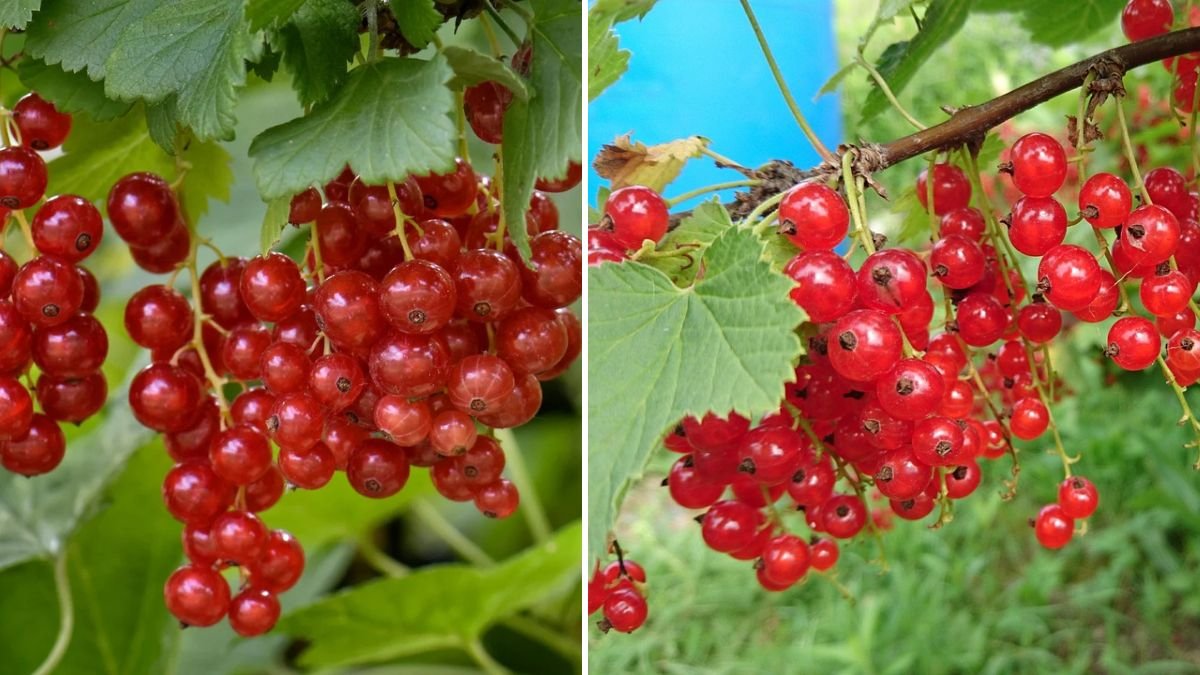
Growing red currants can be a rewarding experience, especially for beginners looking to cultivate juicy and delicious fruits in their backyard. These berries are not only delightful in flavor but also come with numerous health benefits. This article will guide you through the essential steps to maximize your red currant harvest with practical tips and hacks that any beginner can implement.
Introduction to Red Currants
Red currants (Ribes rubrum) are small, tart berries that are rich in vitamins C and K, as well as antioxidants. These shrubs are relatively low-maintenance, making them suitable for gardeners of all skill levels. Whether you plan to make red currant jelly, incorporate them into desserts, or simply eat them fresh, knowing how to grow them effectively can significantly enhance your gardening experience.
Latest Posts
- OnePlus Turbo 6V 5G Launched – for Gamers with 9000mAh Battery, 220MP Camera & Snapdragon 8s Gen 4
- Realme GT 8 Pro Officially Launched – 200MP Camera, 7,000mAh Battery and Snapdragon 8 Elite
- OPPO K13 Turbo 5G Launched – 7,000mAh Battery, 50MP Camera and High-Performance Chipset
- Realme 17 Pro 5G Unveiled – IP69K Certified, 200MP Camera and Massive 8600mAh Battery
- Vivo Premium Smartphone Launched – 200MP Camera, 90W Fast Charging and 16GB RAM
- POCO F8 Ultra Launched – Snapdragon Flagship Power, Bose Audio and Huge Battery
- POCO F8 Ultra Launched – Snapdragon Flagship Power, Bose Audio and Huge Battery
- OnePlus Nord 3 5G Launched – 120Hz AMOLED Display, 50MP Camera and 5,000mAh Battery
- OnePlus Nord CE4 Launched – Powerful Snapdragon 7 Gen 3, 50MP Camera and Long-Lasting Battery
- OnePlus Smartphone Revealed – Premium 5G Smartphone with 200MP Camera, 24GB RAM and 100W Fast Charging
Choosing the Right Location
Sunlight Requirements
Red currants thrive in full sunlight but can tolerate partial shade. Ideally, choose a spot that receives at least 6 to 8 hours of sunlight each day. Full sunlight not only enhances berry production but also contributes to better flavor and sweetness.
Soil Conditions
These berries prefer well-drained, loamy soil rich in organic matter. Conduct a soil test to ensure the pH is between 6.0 and 6.8. If your soil is too acidic or alkaline, amend it with lime or sulfur as needed.
Drainage
Good drainage is crucial for red currants, as they are prone to root rot in overly wet conditions. If your garden has heavy clay soil, consider planting your red currants in raised beds to improve drainage.
Selecting Your Varieties
Different varieties of red currants can yield varying sizes and flavors. Here are a few popular ones to consider:

- ’Red Lake’: Known for its large berries and high yield, this variety is perfect for jellies and cooking.
- ’Jellybean’: A compact shrub with a sweet flavor, suitable for containers and small gardens.
- ’Rovada’: This variety is hardy and resistant to diseases, with an excellent fruit set.
Choosing the right variety for your climate and personal preferences is essential for a successful harvest.
Planting Red Currants
Timing
The best time to plant red currants is in early spring or autumn. Planting in spring gives the bushes a head start in growing, while autumn planting allows roots to establish before winter.
Planting Distance
When planting multiple currant bushes, space them about 3 to 4 feet apart. This spacing allows for adequate airflow, which helps prevent fungal diseases.
Steps to Plant
- Prepare the Soil: Amend the soil with compost or well-rotted manure.
- Dig a Hole: Make a hole that is twice the size of the root ball.
- Place the Plant: Position the plant in the hole, ensuring the crown (where the roots meet the stem) is level with the soil.
- Backfill: Cover the roots with soil and firm gently.
- Water Thoroughly: Deeply water the newly planted currants to settle the soil.

Watering and Fertilizing
Watering Tips
Red currants require consistent moisture, especially during the fruiting phase. However, avoid overwatering, as it can lead to disease. Here’s a watering schedule to consider:
- Weekly Water: During dry periods, ensure your bushes receive at least an inch of water per week.
- Mulch: Apply organic mulch around the base to retain moisture and suppress weeds.
Fertilizing Practices
While red currants are not heavy feeders, a light application of balanced fertilizer in early spring can support growth. Use a fertilizer low in nitrogen to avoid excessive foliage at the expense of fruit production.
Pruning for Maximum Yield
When to Prune
Pruning should be done in late winter or early spring before the buds break. This timing promotes healthy growth and allows you to shape the plants effectively.
Pruning Techniques

- Remove Dead or Damaged Branches: This opens up the bush to improve airflow and sunlight penetration.
- Thin the Center: If the bush is dense, selectively remove some older branches to create a more open structure.
- Shape the Bush: Aim for a vase-like shape, which encourages fruiting on the outer branches.
Regular pruning enhances fruit production and keeps the plants healthy.
Pest and Disease Management
Common Pests
Watch out for aphids, spider mites, and currant borers. Implement the following strategies to manage them:
- Insecticidal soap: Use as needed for aphids.
- Beneficial insects: Introduce ladybugs and lacewings to control pest populations naturally.
Diseases to Monitor
Red currants can be susceptible to powdery mildew and leaf spot. To prevent these diseases:
- Ensure Good Airflow: Pruning helps with airflow.
- Clean Up Debris: Remove fallen leaves and fruit to minimize disease spread.
- Fungicides: If necessary, apply fungicides according to the product instructions.

Harvesting
When to Harvest
Red currants typically ripen in late summer. They should be bright red and juicy when ready for harvest.
Harvesting Techniques
- Gently Pick: Use scissors or shears to cut the fruit from the stems, being careful not to damage the plant.
- Harvest in Batches: Check your plants weekly to ensure you catch all ripe fruits.
Storing Your Harvest
To store red currants, keep them in the refrigerator in a breathable container. They can last for a week or more. For longer preservation, consider freezing or making preserves.
Easy Hacks for Maximizing Your Harvest
- Companion Planting: Plant red currants alongside herbs like basil or mint to deter pests naturally.
- Regular Monitoring: Check your plants frequently for signs of stress, pests, or disease, enabling proactive management.
- Soil Testing: Conduct soil tests periodically to adjust pH and nutrient levels, ensuring healthy plants.

FAQs
1. How long does it take for red currants to bear fruit?
Most red currant bushes will start producing fruit within 2 to 3 years after planting.
2. Can I grow red currants in containers?
Yes, red currants can thrive in containers. Ensure the container is large enough (at least 5 gallons) and has good drainage.
3. Do red currants need a pollinator?
Red currants are self-pollinating, so you don’t need multiple plants for fruit production.
4. What pests should I watch for when growing red currants?
Common pests include aphids, spider mites, and currant borers. Using natural pest control methods can help manage these issues.
5. How can I increase the sweetness of my red currants?
Make sure your plants receive adequate sunlight and water. Properly timing your harvest can also help, as fruits that are left on the plant longer tend to get sweeter.
In summary, growing red currants is an enjoyable endeavor that can yield a bountiful harvest with the right techniques. By following the tips outlined in this article, even beginners can become successful red currant growers and bask in the satisfaction of homegrown fruits. With patience and care, you’ll enjoy the sweet rewards of your labor. Happy gardening!
Leave a Reply