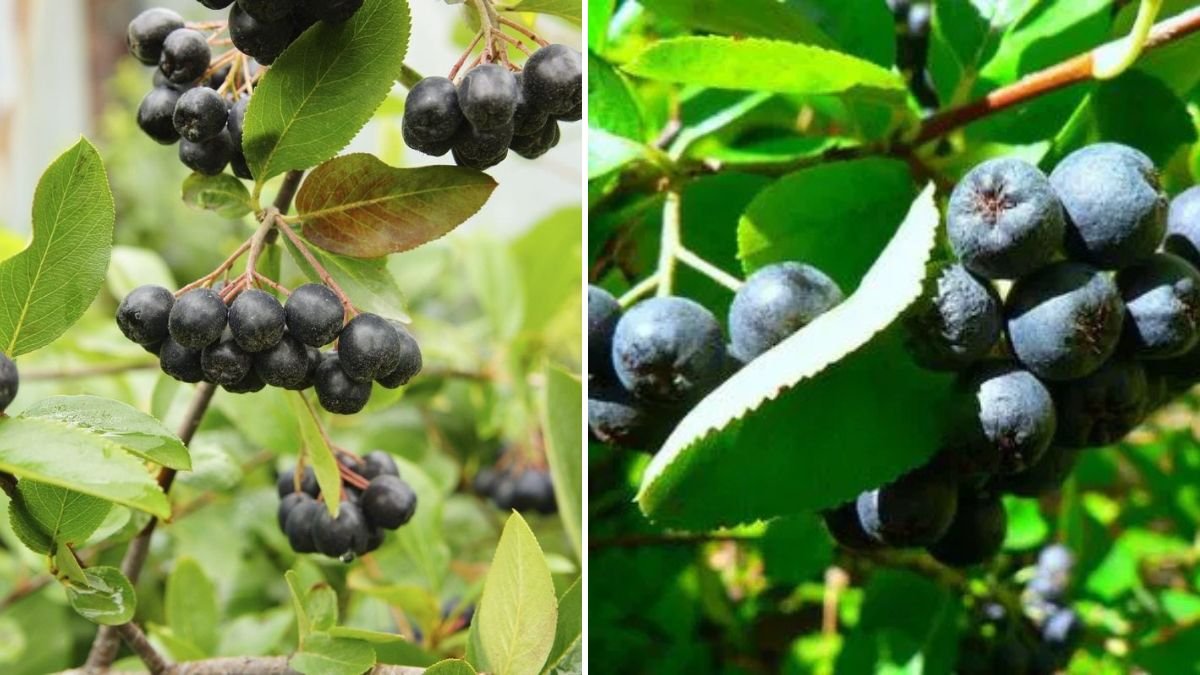
Aronia berries, often referred to as chokeberries, have gained popularity among home gardeners and health enthusiasts alike due to their incredible nutritional benefits and adaptability to various growing conditions. This comprehensive guide will walk you through the entire process of growing Aronia berry plants in your backyard, covering everything from selection and planting to care and harvesting, along with some frequently asked questions.
Introduction to Aronia Berries
Historical Background
Latest Posts
- OnePlus Turbo 6V 5G Launched – for Gamers with 9000mAh Battery, 220MP Camera & Snapdragon 8s Gen 4
- Realme GT 8 Pro Officially Launched – 200MP Camera, 7,000mAh Battery and Snapdragon 8 Elite
- OPPO K13 Turbo 5G Launched – 7,000mAh Battery, 50MP Camera and High-Performance Chipset
- Realme 17 Pro 5G Unveiled – IP69K Certified, 200MP Camera and Massive 8600mAh Battery
- Vivo Premium Smartphone Launched – 200MP Camera, 90W Fast Charging and 16GB RAM
- POCO F8 Ultra Launched – Snapdragon Flagship Power, Bose Audio and Huge Battery
- POCO F8 Ultra Launched – Snapdragon Flagship Power, Bose Audio and Huge Battery
- OnePlus Nord 3 5G Launched – 120Hz AMOLED Display, 50MP Camera and 5,000mAh Battery
- OnePlus Nord CE4 Launched – Powerful Snapdragon 7 Gen 3, 50MP Camera and Long-Lasting Battery
- OnePlus Smartphone Revealed – Premium 5G Smartphone with 200MP Camera, 24GB RAM and 100W Fast Charging
Native to North America, Aronia berries have been used for centuries by Indigenous peoples for their nutritional and medicinal properties. These small, dark berries belong to the Rosaceae family and are rich in antioxidants, vitamins, and minerals.
Nutritional Benefits
Aronia berries are packed with nutrients. They contain high levels of anthocyanins, which are potent antioxidants linked to numerous health benefits, including improved cardiovascular health, immune support, and anti-inflammatory properties. They also offer vitamin C, fiber, and other essential nutrients.
Types of Aronia Berries
There are primarily three species of Aronia berries:

- Black Aronia (Aronia melanocarpa): Often called the black chokeberry, this variety is the most commonly cultivated due to its high antioxidant content and flavor profile.
- Red Aronia (Aronia arbutifolia): Known as red chokeberry, this variety has a slightly tart flavor and is less commonly grown for commercial purposes.
- Purple Aronia (Aronia x Prunifolia): A hybrid of black and red chokeberries, it exhibits traits of both.
Selecting Aronia Berry Plants
Choosing the Right Variety
When selecting Aronia berry plants, consider the specific variety that best fits your climate and taste preferences. Generally, black Aronia is the most versatile when it comes to different growing conditions.
Sourcing Plants
You can obtain Aronia plants from local garden centers, nurseries, or online retailers. Ensure the plants are healthy, disease-free, and suitable for your specific region.
Optimal Growing Zones
Aronia berries thrive in USDA hardiness zones 3-8. They are known for their hardiness and can tolerate a range of soil types and conditions.
Planting Aronia Berry Plants
Preparing the Soil

Aronia plants prefer well-draining, loamy soil that is slightly acidic to neutral (pH 5.5-7.0). Perform a soil test to determine the pH and nutrient levels, and amend the soil as needed with organic matter, such as compost.
Selecting the Planting Location
Choose a sunny spot in your garden, as Aronia berries need full sun for optimal growth and fruit production. Ensure there’s adequate space for air circulation, which helps prevent diseases.
Planting Steps
- Spacing: Space Aronia plants 3-5 feet apart to allow for their bushy growth and good airflow.
- Digging the Hole: Dig a hole twice the size of the root ball to promote healthy root development.
- Transplanting: Place the plant at the right depth in the hole (the root collar should be at soil level) and fill in with soil.
- Watering: Water thoroughly after planting to eliminate air pockets and promote root establishment.
Caring for Aronia Berry Plants
Watering
During the first year, water your Aronia plants regularly to establish deep roots. After they are established, they can tolerate drought but will perform best with consistent moisture.
Fertilization

Fertilize your Aronia plants with a balanced, slow-release fertilizer in early spring. Avoid over-fertilizing, which can lead to excessive leafy growth at the expense of fruit production.
Pruning
Proper pruning is essential for maintaining the health and productivity of your Aronia plants. Prune annually in late winter or early spring to remove dead or diseased branches and to shape the plant, encouraging new growth and better air circulation.
Pest and Disease Management
Though Aronia berries are relatively pest-resistant, keep an eye out for common pests such as aphids and spider mites. Organic insecticidal soap can effectively manage these issues. Ensure proper spacing and air circulation to prevent fungal diseases like powdery mildew.
Harvesting Aronia Berries
When to Harvest
Aronia berries typically ripen in late summer to early fall, depending on your location. The best time to harvest is when the berries turn a deep black and are slightly soft to the touch.
Harvesting Technique
Harvest berries by gently twisting or pulling them off the stems. Use care to avoid damaging the fruit clusters or the plant itself.
Storing and Using Aronia Berries

Fresh Aronia berries can be refrigerated for up to two weeks. They can be enjoyed fresh, used in smoothies, jams, baked goods, or dried for later use.
Frequently Asked Questions (FAQs)
1. Are Aronia berries safe to eat?
Yes, Aronia berries are safe to eat and are highly nutritious. However, remember that they can have a tart flavor, especially when not fully ripe.
2. How long does it take for Aronia plants to bear fruit?
Typically, Aronia plants will begin to bear fruit within 2-3 years after planting, although they may not reach peak production until they are 5-7 years old.
3. Can Aronia berries be grown in containers?
Yes, Aronia plants can be grown in containers, but ensure they are large enough to accommodate the root system and provide adequate drainage.
4. How do I know when Aronia berries are ripe?
Ripe Aronia berries will be deep black and slightly soft to the touch. They should not be overly mushy, which indicates overripeness.
5. What is the best way to propagate Aronia plants?

Aronia plants can be propagated through softwood cuttings taken in early summer or through layering techniques.
6. Are Aronia plants deer-resistant?
Aronia plants are generally considered deer-resistant. However, in times of food scarcity, deer may still nibble on them.
7. How can I improve the taste of Aronia berries?
Due to their tart flavor, many prefer to use Aronia berries in recipes that include sweeteners or other fruits. Processing them into jams, jellies, or smoothies often enhances their flavor.
8. Can Aronia plants withstand cold temperatures?
Yes, Aronia berry plants are highly cold-resistant and can survive in freezing temperatures, making them an excellent choice for colder climates.
Conclusion
Growing Aronia berry plants in your backyard can be a rewarding experience filled with the joys of gardening and the benefits of cultivating superfood berries. With proper care and attention, you can enjoy a bountiful harvest of nutritious fruits to incorporate into your diet and share with family and friends. Whether you are a seasoned gardener or just starting, growing Aronia berries is an excellent choice for adding beauty and health benefits to your home garden.
Leave a Reply