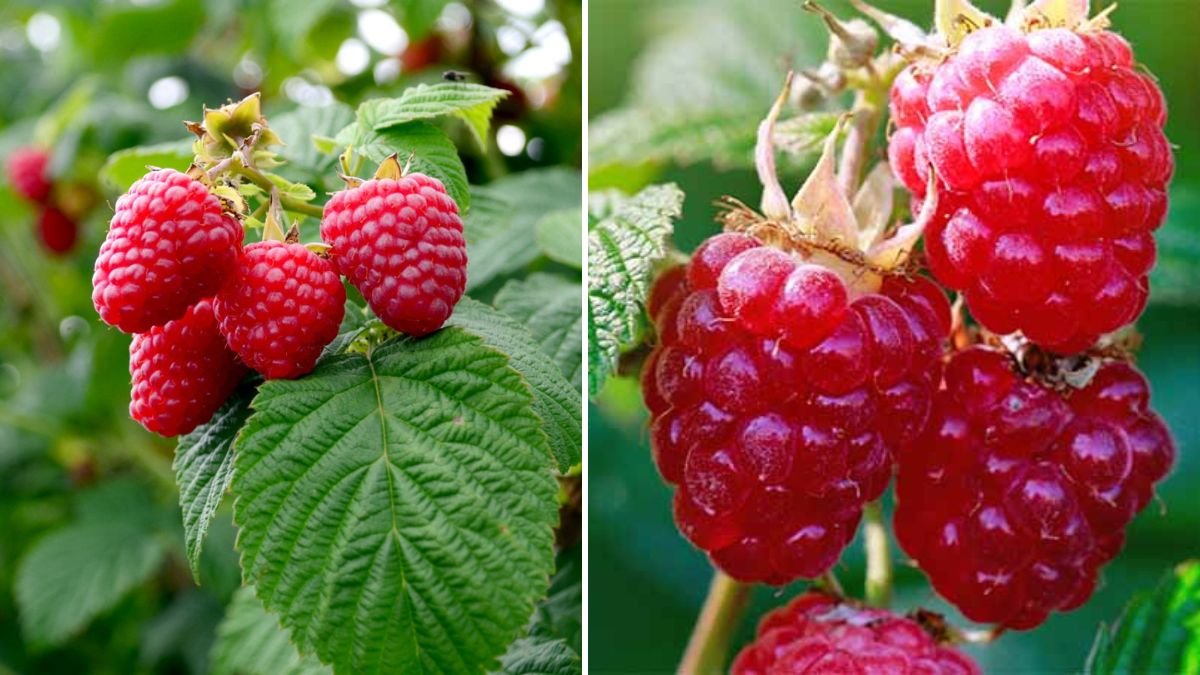
Loganberries, a delectable hybrid of a blackberry and a raspberry, are a garden delight that has grown in popularity due to their sweet-tart flavor and versatility in culinary use. This guide will walk you through everything you need to know to successfully cultivate these berries, from selecting the right variety to harvesting and preserving your bounty.
What Are Loganberries?
Loganberries (Rubus × loganobaccus) were developed in the late 19th century by James Harvey Logan in California. They are larger than most raspberries but smaller than blackberries and exhibit a striking dark red or purple color. Their unique flavor profile—tart yet sweet—makes them ideal for jams, desserts, and fresh eating.
Latest Posts
- OnePlus Turbo 6V 5G Launched – for Gamers with 9000mAh Battery, 220MP Camera & Snapdragon 8s Gen 4
- Realme GT 8 Pro Officially Launched – 200MP Camera, 7,000mAh Battery and Snapdragon 8 Elite
- OPPO K13 Turbo 5G Launched – 7,000mAh Battery, 50MP Camera and High-Performance Chipset
- Realme 17 Pro 5G Unveiled – IP69K Certified, 200MP Camera and Massive 8600mAh Battery
- Vivo Premium Smartphone Launched – 200MP Camera, 90W Fast Charging and 16GB RAM
- POCO F8 Ultra Launched – Snapdragon Flagship Power, Bose Audio and Huge Battery
- POCO F8 Ultra Launched – Snapdragon Flagship Power, Bose Audio and Huge Battery
- OnePlus Nord 3 5G Launched – 120Hz AMOLED Display, 50MP Camera and 5,000mAh Battery
- OnePlus Nord CE4 Launched – Powerful Snapdragon 7 Gen 3, 50MP Camera and Long-Lasting Battery
- OnePlus Smartphone Revealed – Premium 5G Smartphone with 200MP Camera, 24GB RAM and 100W Fast Charging
Choosing the Right Variety
Available Varieties
When choosing a loganberry variety, consider your climate and intended use. Popular varieties include:
- Thornless Loganberry: Easier to manage in the garden, this variety is perfect for home gardeners.
- Standard Loganberry: Characterized by its robust flavor, this is a traditional choice that produces large yields.
- Early Fruiters: Some varieties bear fruit earlier in the season, which can be ideal for those in colder climates or short growing seasons.
Considerations
- Climate Adaptability: Ensure the variety you choose can thrive in your regional climate. Loganberries prefer climates with cool winters and warm summers.
- Disease Resistance: Look for varieties resistant to common berry diseases.
Site Selection
Sunlight
Loganberries need a location with full sun exposure—at least 6 to 8 hours of sunlight daily. A sunny spot will ensure the plants produce abundant berries and maintain their sweet flavor.
Soil Conditions
- Soil Type: Loganberries thrive in well-drained, loamy soil, rich in organic matter.
- Soil pH: They prefer a slightly acidic to neutral pH (around 6.0 to 6.8). Conduct a soil test if uncertain, as this helps inform your soil amendment strategies.

Water Drainage
Ensure good drainage to prevent root rot, which can be a common issue in heavy soils. If your garden has poor drainage, consider raised beds or mounding to improve water flow.
Preparing the Soil
Amendments
To create a thriving environment for loganberries, amend your soil with:
- Compost: Improves soil structure and nutrient content.
- Sphagnum Peat Moss: Helps retain moisture while improving soil aeration.
Tilling
Before planting, till the soil to a depth of 12 to 15 inches. Incorporate organic matter and any necessary fertilizers per soil test recommendations.
Planting Loganberries
Timing
The best time to plant loganberries is in spring, after the last frost. This will allow them to establish roots before the heat of summer.
Spacing
- Space the plants about 3 to 4 feet apart to allow for their sprawling growth habit.
- If planting in rows, space rows 8 to 10 feet apart to facilitate air circulation and ease of harvesting.
Planting Depth
Dig a hole that accommodates the root system without crowding. The top of the root ball should be level with the soil surface.
Training and Supporting Your Loganberry Plants
Trellising

Loganberry plants benefit greatly from being trained on a trellis. This:
- Improves Air Circulation: Reduces disease incidence by keeping foliage dry.
- Facilitates Harvesting: Makes reaching the berries much easier.
- Encourages Healthy Growth: Directs energy towards fruit production.
Types of Trellises
- A-Frame Trellis: Effective for supporting multiple plants.
- Single Wire Trellis: A simpler option, requiring less material.
Training Techniques
- As the plants grow, gently tie the canes to the trellis.
- Prune excess growth regularly to prevent overcrowding, encouraging more fruit production.
Watering
Frequency
Loganberries require consistent moisture, especially during fruit growth. Water the plants deeply once a week or more frequently in extremely dry conditions.
Methods
- Drip Irrigation: Highly efficient, delivering water directly to the roots.
- Mulching: Apply organic mulch around the plants to retain soil moisture and suppress weeds.
Fertilizing Loganberries
Nutrient Requirements
Loganberries benefit from regular fertilization, particularly nitrogen during the growing season. A balanced fertilizer with an analysis like 10-10-10 is a good choice.

- Spring Fertilization: Apply a heavier dose in early spring to support new growth.
- Mid-Season Maintenance: Consider a light application during the fruiting period.
Organic Options
- Fish Emulsion: A rich source of nitrogen, great for stimulating growth.
- Blood Meal: High-nitrogen content provides a quick nutrient boost.
Pest and Disease Management
Common Pests
-
Aphids: Small, sap-sucking insects that can lead to wilting and stunted growth.
- Management: Introduce beneficial insects like ladybugs or use insecticidal soap.
-
Spider Mites: These tiny pests can cause leaf damage.
- Management: Increase humidity around the plants and spray with neem oil if necessary.
Common Diseases
-
Powdery Mildew: A fungal disease characterized by a white, powdery coating on leaves.
- Management: Ensure good air circulation and avoid overhead watering.
-
Root Rot: Caused by waterlogged conditions.

- Management: Improve drainage if necessary and avoid overwatering.
Harvesting Loganberries
Timing
Loganberries are typically ready to harvest in mid to late summer, depending on your climate. Look for:
- A deep red/purple color
- A slightly soft feel when gently squeezed
Harvesting Techniques
- Use scissors or pruners to cut the berries from the cane to avoid damaging the plant.
- Only harvest when berries are dry to avoid mold and spoilage.
Preserving Loganberries
Freezing
- Wash the berries gently and pat them dry.
- Spread them on a baking sheet to freeze, then transfer to airtight containers for long-term storage.
Making Jam
Loganberry jam is a flavorful way to enjoy your harvest year-round:
- Combine 4 cups of washed loganberries with 1 cup of sugar and the juice of one lemon.
- Cook over medium heat until the mixture thickens and reaches the desired consistency.
- Pour into sterilized jars and seal.
FAQs

1. Can loganberries grow in containers?
Yes! Choose a large container (at least 5 gallons) and ensure it has good drainage. Make sure to use potting soil that retains moisture.
2. What climate is best for growing loganberries?
Loganberries thrive in temperate climates with cool winters and warm summers. They prefer USDA Hardiness Zones 5-8.
3. How do I know when loganberries are ripe?
Ripe loganberries will have a deep red color and yield slightly under pressure. If they feel hard, they’re not yet ready.
4. Can I cross-pollinate loganberries with other berries?
Yes, loganberries can cross-pollinate with other members of the Rubus genus, which can potentially produce unique varieties.
5. How long do loganberry plants live?
With proper care, loganberry plants can live for several years, often producing fruit for 10 years or more.
6. Is it necessary to prune loganberry canes?
Yes, pruning is essential for maintaining plant health, encouraging new growth, and increasing fruit production.
Conclusion
Growing loganberries can be a rewarding endeavor, adding a delicious and versatile fruit to your garden. By understanding their needs and providing a suitable environment, you can ensure a bountiful harvest. Happy gardening!
Leave a Reply