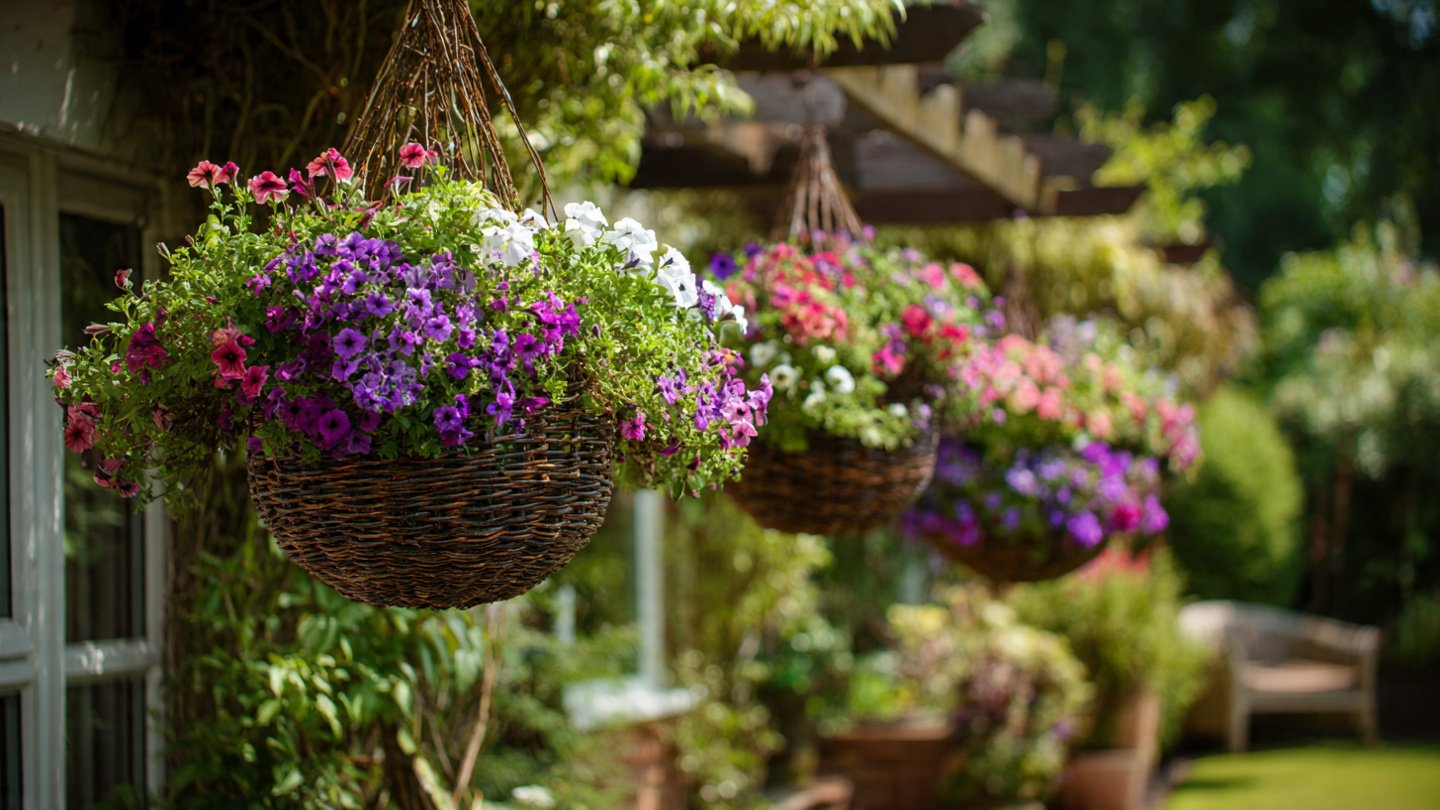
Creating a stunning garden using only hanging baskets can transform ordinary spaces into extraordinary ones. These versatile containers offer a unique way to showcase flowers, plants, and even herbs without the need for traditional garden beds. The beauty of hanging baskets lies not only in their aesthetic appeal but also in their ability to fit into virtually any space—from small balconies to expansive patios. In this article, we will explore various techniques, tips, and secrets to help you design a beautiful garden with only hanging baskets.
Understanding the Basics of Hanging Baskets
Choosing the Right Materials
Latest Posts
- OnePlus Turbo 6V 5G Launched – for Gamers with 9000mAh Battery, 220MP Camera & Snapdragon 8s Gen 4
- Realme GT 8 Pro Officially Launched – 200MP Camera, 7,000mAh Battery and Snapdragon 8 Elite
- OPPO K13 Turbo 5G Launched – 7,000mAh Battery, 50MP Camera and High-Performance Chipset
- Realme 17 Pro 5G Unveiled – IP69K Certified, 200MP Camera and Massive 8600mAh Battery
- Vivo Premium Smartphone Launched – 200MP Camera, 90W Fast Charging and 16GB RAM
- POCO F8 Ultra Launched – Snapdragon Flagship Power, Bose Audio and Huge Battery
- POCO F8 Ultra Launched – Snapdragon Flagship Power, Bose Audio and Huge Battery
- OnePlus Nord 3 5G Launched – 120Hz AMOLED Display, 50MP Camera and 5,000mAh Battery
- OnePlus Nord CE4 Launched – Powerful Snapdragon 7 Gen 3, 50MP Camera and Long-Lasting Battery
- OnePlus Smartphone Revealed – Premium 5G Smartphone with 200MP Camera, 24GB RAM and 100W Fast Charging
-
Types of Baskets: Hanging baskets come in various materials such as wicker, metal, plastic, and coconut fiber. Each has its unique advantages. For example, metal baskets often last longer, while wicker baskets provide a more organic look.
-
Liners: Consider using liners made from coconut fiber, moss, or fabric to retain moisture and prevent soil loss. Liners also create a beautiful, soft edge that can help plants spill over the side.
-
Drainage: Ensure that your baskets have ample drainage holes. Overwatering can be detrimental to plants, so good drainage is essential for their health.
Size Matters
The size of your hanging baskets will influence not only the types of plants you can use but also the visual impact. Larger baskets can hold more soil and retain moisture better, while smaller baskets may require more frequent watering. Think about your available space and choose appropriately.
Selecting the Right Plants
Seasonal Choices

-
Annuals vs. Perennials: Annuals provide vibrant colors throughout the growing season but will need replacing each year. Perennials may offer less variety in bloom but often provide longevity. Selecting a mix allows for continual visual interest.
-
Seasonal Swaps: You can change your hanging baskets seasonally. For spring, consider petunias and pansies; for summer, opt for vibrant geraniums and lobelias; fall might bring cooler hues with asters and ornamental kale.
Textures, Colors, and Shapes
-
Color Schemes: Decide on a color palette that resonates with the style of your home and surroundings. Complementary colors can create a vibrant display, while analogous colors tend to provide harmony.
-
Plant Heights and Spills: Use taller plants like snapdragons or delphiniums in the center of the basket and smaller, trailing plants like ivy or verbena on the edges. This layering technique creates visual depth.
-
Variety of Textures: Mix plants with different leaf shapes and textures—such as soft ferns with glossy geraniums—to create a more dynamic display.
Installation Tips
Choosing the Right Location
-
Sun Requirements: Ensure you know the light requirements of your chosen plants. Some need full sun, while others thrive in partial shade. Positioning your baskets according to sunlight levels is crucial for plant health.

-
Accessibility: Hang baskets at a height that makes them visible but also allows for easy maintenance. If they’re too high or too low, watering, pruning, and deadheading can become tedious.
Creative Placement
-
Grouping: Arrange a series of hanging baskets together for a more eye-catching arrangement. Vary the sizes and plant types for added interest. This method can create an inviting focal point in your garden.
-
Vertical Gardens: Hang baskets at different heights to create a tiered effect. A slightly staggered arrangement can provide a cascading look that adds depth to your garden.
-
Alternative Supports: Use hooks, pergolas, or decorative stands to hang your baskets. This not only adds to the garden’s aesthetic but also allows more creativity in design.
Maintenance Practices
Watering Techniques
-
Consistent Moisture: Hanging baskets tend to dry out quickly due to their elevated positions. Check the moisture levels daily, especially during hot weather, and water as needed.
-
Self-Watering Baskets: Consider investing in self-watering baskets that can reduce the frequency of watering while ensuring consistent moisture levels for the plants.

Fertilization
-
Nutrient Needs: Plants in hanging baskets require more nutrients than those in the ground due to the limited soil. Use a balanced liquid fertilizer every few weeks during the growing season.
-
Slow-Release Options: Consider incorporating slow-release fertilizers at the beginning of the growing season. This ensures that your plants receive steady nutrients over time.
Pruning and Deadheading
-
Regular Maintenance: Trim back any overgrown or dead leaves to encourage new growth and maintain a tidy appearance. Deadheading spent blooms will promote further flowering.
-
Refreshing Plants: If a particular plant is not thriving, consider replacing it with something more suitable. This will keep your baskets looking fresh and vibrant throughout the season.
Seasonal Considerations
Transitioning Between Seasons
-
Spring to Summer: As temperatures rise, swap out cooler-weather plants for summer varieties. This refresh keeps your garden looking joyous and lively.

-
Fall to Winter: Consider planting seasonal flowers like pansies or ornamental cabbages that can withstand cooler temperatures. You can also use evergreen branches or lights in the baskets for winter interest.
Protecting Plants
-
Weather Considerations: Wind and heavy rain can be detrimental to hanging baskets. Ensure they are securely fastened and consider bringing them indoors during extreme weather.
-
Pests and Diseases: Regularly inspect your plants for signs of pests or diseases. If you notice any issues, address them promptly with organic or chemical treatments.
Designing for Attractiveness
Adding Decorative Touches
-
Choose Unique Containers: Select decorative hanging baskets that complement your home’s exterior. Baskets with intricate designs or colors can serve as a design element in their own right.
-
Incorporate Accessories: Consider adding fairy lights or decorative ribbons to enhance the visual appeal of your hanging baskets, especially during evening gatherings.
-
Bird Feeders and Ornaments: Adding small bird feeders or garden ornaments can bring more life and character to your hanging gardens.

Smart Use of Space
-
Balcony Gardens: For those with limited space, hanging baskets can be a practical solution. Use railings and hooks to maximize your vertical space.
-
Indoor Options: Don’t overlook the possibility of hanging baskets inside your home. They can add vibrancy to kitchens, living rooms, and even bathrooms.
Conclusion
Designing a beautiful garden with only hanging baskets permits a blend of creativity, color, and texture. By thoughtfully selecting materials, plants, and locations, you can craft a vibrant landscape without the need for traditional beds. Regular maintenance and seasonal adjustments allow for continual growth and change, ensuring your garden remains dynamic and beautiful throughout the year.
Adopting the secrets and techniques discussed in this article will enable you to create an enchanting space filled with flourishing plants, bright colors, and harmonious arrangements. With a little effort and imagination, your hanging basket garden can become a personalized oasis you’ll enjoy for years to come.
Leave a Reply