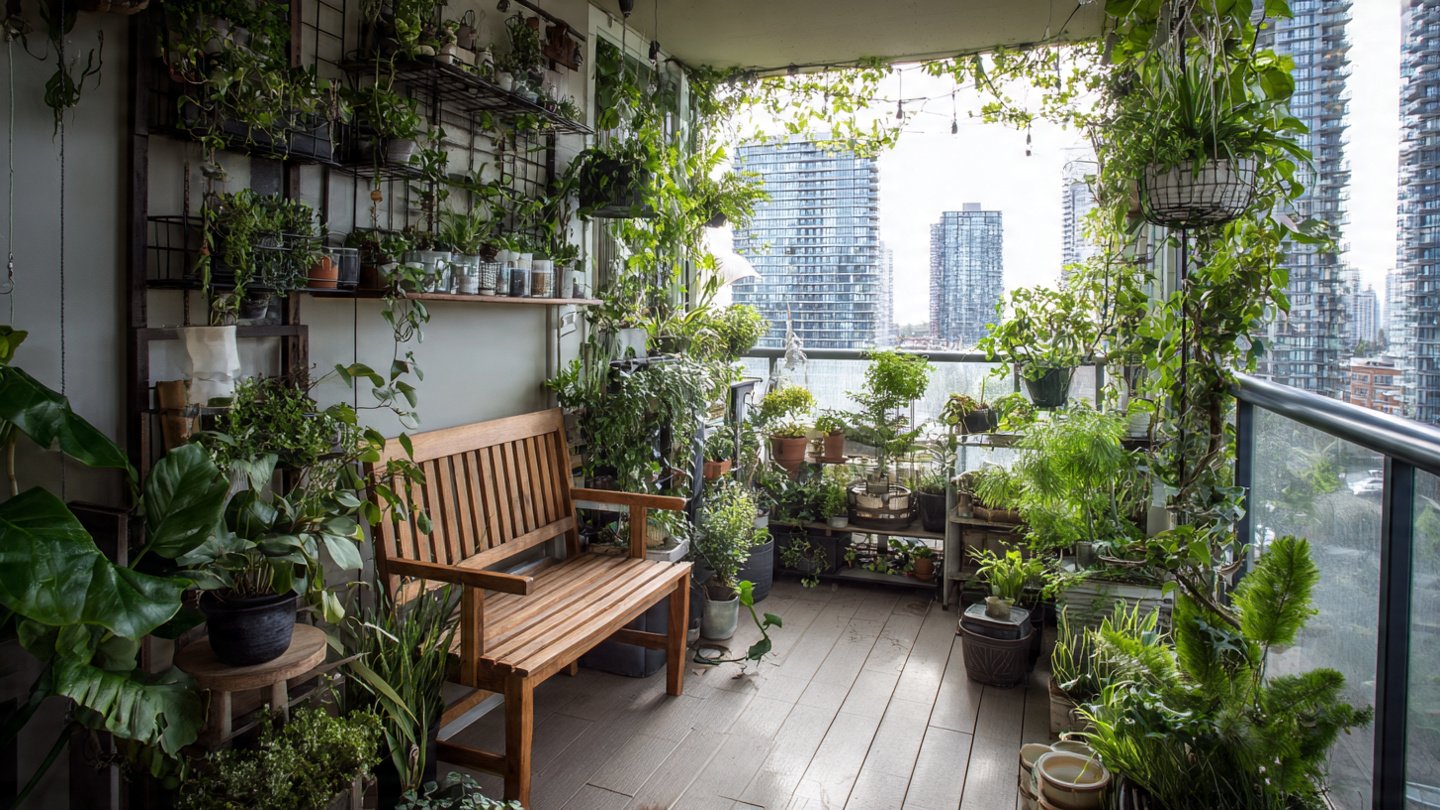
Winter often evokes images of barren landscapes, with trees stripped of their leaves and gardens lying dormant beneath a blanket of snow. However, the cold season doesn’t have to mean the end of vibrant green spaces, particularly not on your balcony. With the right strategies and plant choices, you can cultivate a thriving winter garden that transforms your balcony into a cozy retreat that flourishes, even in the coldest months.
Understanding Your Balcony’s Microclimate
Before diving into what plants thrive in winter, it’s essential to understand the unique microclimate of your balcony. Several factors influence this environment:
Latest Posts
- OnePlus Turbo 6V 5G Launched – for Gamers with 9000mAh Battery, 220MP Camera & Snapdragon 8s Gen 4
- Realme GT 8 Pro Officially Launched – 200MP Camera, 7,000mAh Battery and Snapdragon 8 Elite
- OPPO K13 Turbo 5G Launched – 7,000mAh Battery, 50MP Camera and High-Performance Chipset
- Realme 17 Pro 5G Unveiled – IP69K Certified, 200MP Camera and Massive 8600mAh Battery
- Vivo Premium Smartphone Launched – 200MP Camera, 90W Fast Charging and 16GB RAM
- POCO F8 Ultra Launched – Snapdragon Flagship Power, Bose Audio and Huge Battery
- POCO F8 Ultra Launched – Snapdragon Flagship Power, Bose Audio and Huge Battery
- OnePlus Nord 3 5G Launched – 120Hz AMOLED Display, 50MP Camera and 5,000mAh Battery
- OnePlus Nord CE4 Launched – Powerful Snapdragon 7 Gen 3, 50MP Camera and Long-Lasting Battery
- OnePlus Smartphone Revealed – Premium 5G Smartphone with 200MP Camera, 24GB RAM and 100W Fast Charging
1. Sunlight Exposure
- Orientation: Balconies facing south receive more sunlight, while those facing north might be shadier. East-facing balconies will catch morning sun, and west-facing ones will bask in the afternoon light.
- Seasonal Changes: The angle of the sun changes in winter, which can affect how much sunlight reaches your plants.
2. Wind and Temperature
- Wind Exposure: Balconies exposed to strong winds can dry out plants more quickly, while sheltered balconies retain moisture better.
- Thermal Mass: Buildings provide some heat and protection from frost, creating a warmer microclimate for plants close to the wall.
3. Container Material
- Materials such as ceramic, plastic, or wood can influence soil temperature and moisture retention.

Being aware of these elements can help you select the most appropriate plants and care strategies for your balcony garden.
Choosing the Right Plants
1. Evergreens
Evergreen plants retain their foliage throughout winter. Some excellent choices for balconies include:
- Boxwood (Buxus spp.): A classic choice for container gardening, boxwoods are hardy and can be shaped into hedges. Their dense foliage provides greenery year-round.
- Pine Trees (Pinus spp.): Dwarf varieties like ‘Mugo’ or ‘Glauca’ can add height and texture. Their robustness makes them ideal for winter conditions.
2. Winter Flowers
Certain flowering plants offer color and fragrance even in winter.
- Hellebores (Helleborus spp.): Known as Lenten roses, these hardy perennials can bloom from late winter to early spring, bringing beauty to your balcony.
- Violas and Pansies: These flowers are frost-tolerant and provide vibrant color; they even tend to bloom during winter if conditions permit.
3. Herbs
Many herbs remain productive or can even be harvested during winter.

- Thyme: This aromatic herb thrives in pots and can be used for cooking even in cold months.
- Rosemary: A resilient herb that can withstand chilly temperatures, rosemary is perfect for winter gardening.
4. Seasonal Vegetables
Some vegetables can also be grown during winter, benefiting from the mild climate provided on a sheltered balcony.
- Kale: Hardy and nutritious, kale can withstand frosts and may even become sweeter after exposure to cold.
- Garlic and Onions: Both can be planted in fall and overwinter in containers, ready for spring harvest.
Winterizing Your Balcony
1. Protection Against the Elements
To ensure your plants thrive, you must protect them from extreme conditions.
- Wrap Containers: Insulate pots with burlap or bubble wrap to prevent the soil from freezing.
- Use Frost Cloths: In severe weather, cover your plants with frost cloths at night. This provides a thin barrier against the cold.

2. Watering Wisely
During winter, plants need careful watering.
- Evaluate Soil Moisture: The cool weather often leads to slower evaporation and less frequent watering. However, don’t let the soil dry out completely.
- Use Room Temperature Water: Cold water can shock plants, so it’s best to use lukewarm water when hydrating your winter garden.
Fertilizer and Soil Considerations
1. Using Organic Fertilizers
While many plants slow their growth in winter, they still need nutrients.
- Slow-release Fertilizer: Consider using an organic slow-release fertilizer that provides a steady supply of nutrients over several months.
- Compost: Adding compost can enrich the soil naturally and improve its structure.
2. Soil Mixes
The quality of your soil plays a significant role in how your plants fare in winter.
- Drainage: Well-draining soil is essential to prevent root rot during wet, cold months. A mix of potting soil, peat, and perlite can create a suitable blend.
- Mulching: Applying a layer of mulch atop the soil can help retain moisture and provide insulation against fluctuating temperatures.

Designing Your Winter Balcony Garden
1. Layering and Arranging Plants
Creative plant placement can enhance the aesthetics and functionality of your winter balcony.
- Height Variation: Use taller plants like dwarf conifers as centerpieces, surrounded by smaller bedding plants or herbs.
- Container Variety: Utilize different sized and shaped containers to add visual interest.
2. Incorporating Decorative Elements
Adding decorative elements can enhance your balcony’s appeal.
- Outdoor Lighting: String lights or solar lanterns can create a cozy atmosphere during the dark winter months.
- Garden Furniture: A small table and chair set can transform your balcony into an inviting nook for winter coffee chats, adorned with greenery.
Maintenance Tips
1. Regular Checks

Conduct routine checks on your plants to ensure they are healthy.
- Inspect for Pests: Winter can be a quiet time for pests, but always be vigilant. Check for any signs of insects and treat them early.
- Pruning: Remove any dead or damaged leaves regularly to promote healthier growth.
2. Seasonal Adjustments
As the winter progresses, adjust your care routine based on changing conditions.
- Rearranging Plants: If certain plants are getting too much or too little light, reposition them accordingly.
- Plan for Spring: As weather warms up, start prepping for spring planting by considering what new plants you want to introduce.
Conclusion
With thoughtful planning and care, your balcony can be a lush winter wonderland, teeming with life despite the cold. By understanding your balcony’s microclimate, choosing the right plants, and providing adequate winter protection, you can enjoy a vibrant, green retreat all season long. This winter, let your balcony be a testament to the beauty of nature embracing resilience—a celebration of life even in the harshest of conditions. Embrace the challenge, and you’ll find that a thriving winter garden is not just possible but immensely rewarding.
Leave a Reply