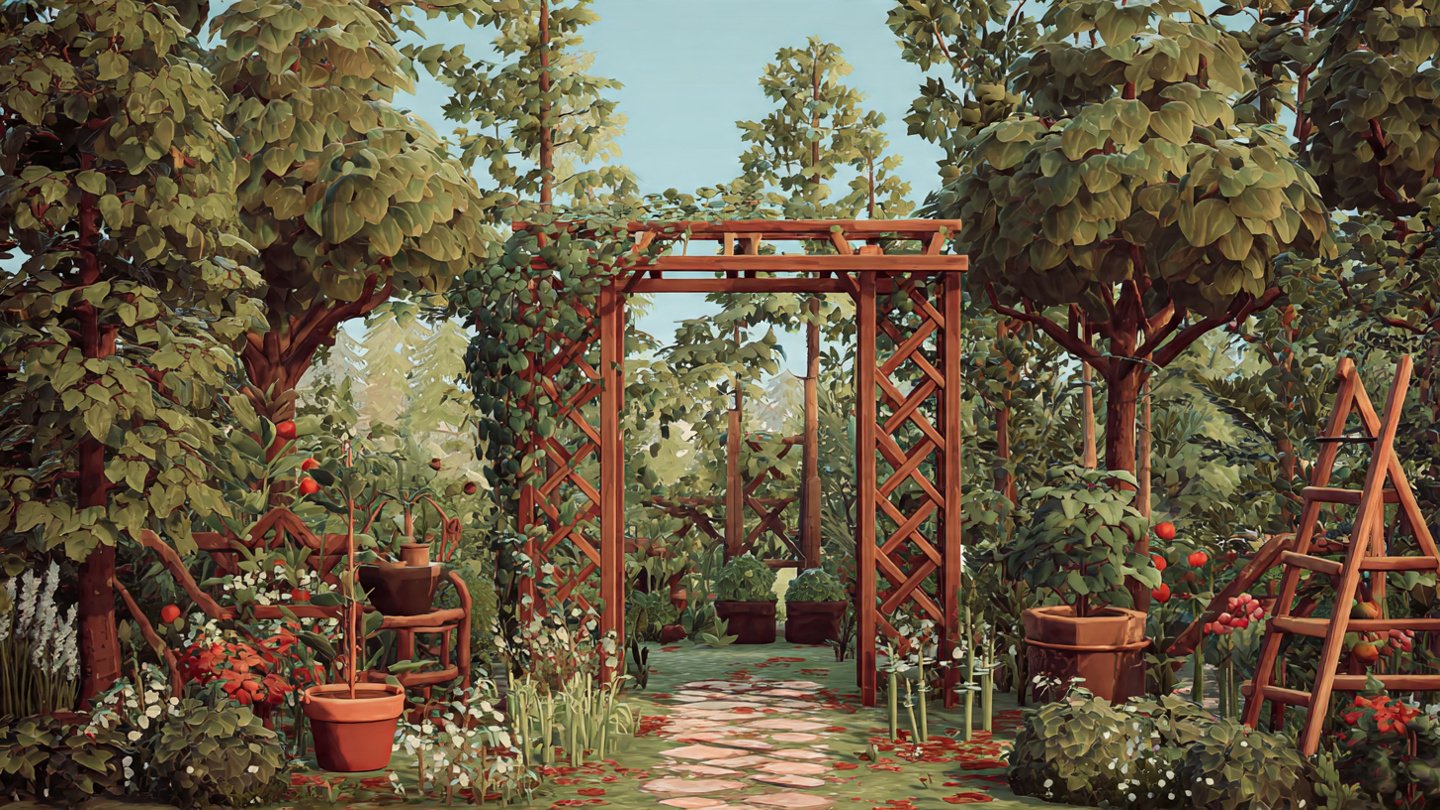
Creating a garden that flourishes with climbing plants can transform your outdoor space into a vibrant and lush environment. While these plants add aesthetic appeal and vertical interest, many gardeners overlook the essential supporting structure that is vital for their growth—trellises. Understanding why a trellis is necessary for every climbing plant can significantly impact the health and longevity of your garden.
Climbing plants, often referred to as vines, have adapted to use various support structures to gain access to sunlight. By climbing, these plants can reach heights that allow them to thrive in competitive environments, avoid pests on the ground, and access vital nutrients in upper soil layers. However, without a proper trellis, they may struggle to grow effectively, leading to a host of complications.
One of the foremost reasons for incorporating a trellis in your garden is to provide structural support. Climbing plants, unlike bushes or shrubs, lack the stout stems required to stand upright on their own. Their growth habit involves rooting at the base and using tendrils, hooks, or twining mechanisms to cling to vertical surfaces. A trellis offers a stable and reliable mechanism that enables these plants to climb naturally. This stability is crucial, as it prevents the plant from falling over or becoming entangled with other plants, ensuring it receives adequate sunlight and air circulation.
Moreover, trellises help in maximizing garden space. For those with limited outdoor areas, vertical gardening is an ingenious solution. Climbing plants can cover walls, fences, or even dedicated trellis structures, allowing you to grow a variety of plants in a small footprint. This vertical growth not only enhances the visual aesthetics of your garden but also allows you to cultivate more plants than you could in a horizontal layout. Fruits like cucumbers and grapes, or flowers such as clematis and morning glories, thrive when given the support to climb, allowing gardeners to expand their planting options efficiently.
In addition to structural support and space maximization, trellises greatly enhance air circulation around climbing plants. Good airflow is essential in preventing diseases and pest infestations. When plants are crowded together or splayed out on the ground, humidity can build up, creating an ideal environment for fungal diseases. By encouraging climbing and providing adequate spacing, a trellis facilitates better air movement, reducing the risk of moisture-related issues. Healthy plants are generally more resistant to pests, making trellising an integral part of pest management in your garden.
Light access is another critical factor that underscores the necessity of a trellis. Climbing plants often have high light requirements to produce blooms and fruits. When these plants lie flat on the ground, they may be shaded by neighboring plants and lose out on essential sunlight. A trellis elevates the climbing plants, ensuring they receive direct sunlight for extended periods, which is crucial for photosynthesis and overall plant health. This increased exposure to sunlight can also lead to a more abundant harvest for fruiting plants.
Trellises also simplify maintenance tasks such as watering, pruning, and harvesting. When climbing plants are trained onto a trellis, they are easier to access, minimizing the effort required for care. Regular inspections for diseases or pests become straightforward, and harvesting fruits and vegetables from a trellis is often less cumbersome than navigating through sprawling ground cover. This accessibility encourages gardeners to maintain their plants better, ultimately resulting in healthier crops.
Managing water retention is another aspect where trellises play a significant role. Climbing plants grow best when their roots remain evenly moist without becoming waterlogged. When planted on the ground, overstaying moisture can lead to rot and other root diseases. A trellis allows climbers to maintain airflow around their base, which can help reduce excessive moisture levels and improve drainage. This control over moisture is particularly beneficial for growers situated in regions with high rainfall or poorly draining soils.
In addition to enhancing plant health and maintenance, trellises can also contribute to the overall aesthetics of your garden. They provide an opportunity to create visually striking vertical elements that can enhance the theme or style of your outdoor space. For instance, a rustic wooden trellis can add a charming cottage feel, while a sleek metal one might resonate more with a modern design. By intertwining climbing plants with trellises, gardeners can craft living wall art, creating boundaries or focal points that enhance their landscape.
For gardeners interested in attracting wildlife, trellises can serve as a functional and aesthetic bridge between plants and pollinators. Many climbing plants produce beautiful flowers that draw in bees, butterflies, and hummingbirds. When these plants are elevated on a trellis, they can be viewed better and accessed by these crucial pollinators. By effectively placing trellises, you can create a sanctuary for beneficial wildlife, improving the ecological balance in your garden.
Diversity in plant selection is another compelling reason to use trellises. Many climbing plants have unique growth characteristics and needs. For example, some may require sturdy support due to their weight, while others might merely need a gentle structure to climb. Using various types of trellises—from arched or obelisk shapes to wall-mounted grids—can provide an endless array of gardening possibilities. This diversity not only enhances the garden’s appearance but also allows you to experiment with plant combinations, colors, and textures that can elevate your garden.
Trellises can also be tailored to fit any garden design or theme. The versatility in materials—wood, metal, plastic—enables gardeners to pick trellises that not only serve a functional purpose but also harmonize aesthetically with the surrounding landscape. Custom trellises can add a personal touch and unique character, inviting creativity into the gardening process.
In a broader context, supporting climbing plants with trellises highlights the importance of caring for the environment and encouraging biodiversity. Well-maintained, trellis-supported gardens can foster a healthier ecosystem in your backyard by providing habitats for various species. As more gardeners become aware of the environmental impact of their gardening practices, utilizing trellises aligns with sustainable gardening goals, promoting both plant health and ecological balance.
As with any gardening endeavor, it’s essential to choose the right trellis based on the specific needs of your climbing plants. Different plants have varying growth habits, so understanding the type of support they require will ensure success. Consider factors such as the plant’s weight, growth rate, and light requirements when selecting your trellis.
Another aspect to consider is maintenance. Just as climbing plants need regular care, trellises may also require upkeep. Wooden trellises may need periodic sealing or treatment to prevent rot, while metal ones may need checks for rust. Regular inspections will ensure that your trellis continues to provide the necessary support and remains a beautiful addition to your garden.
By understanding the multiple dimensions of trellises, gardeners can appreciate their significance beyond mere aesthetics. Trellises are more than just climbing aids; they are essential tools that support the health, productivity, and beauty of your garden. Whether your aim is to grow vegetables, add floral splendor, or even create a wildlife haven, trellises can help position climbing plants for optimal success.
In conclusion, installing a trellis for every climbing plant is not merely a recommendation; it is a crucial component of successful gardening. From offering necessary support and maximizing space to improving air circulation and aesthetic appeal, trellises are indispensable tools in nurturing a flourishing garden. Embracing this practice will not only lead to vibrant and healthy plants but also enhance your enjoyment of the gardening experience. So, as you plan your garden, remember that each climbing plant deserves the right support—bring on the trellises!


Leave a Reply