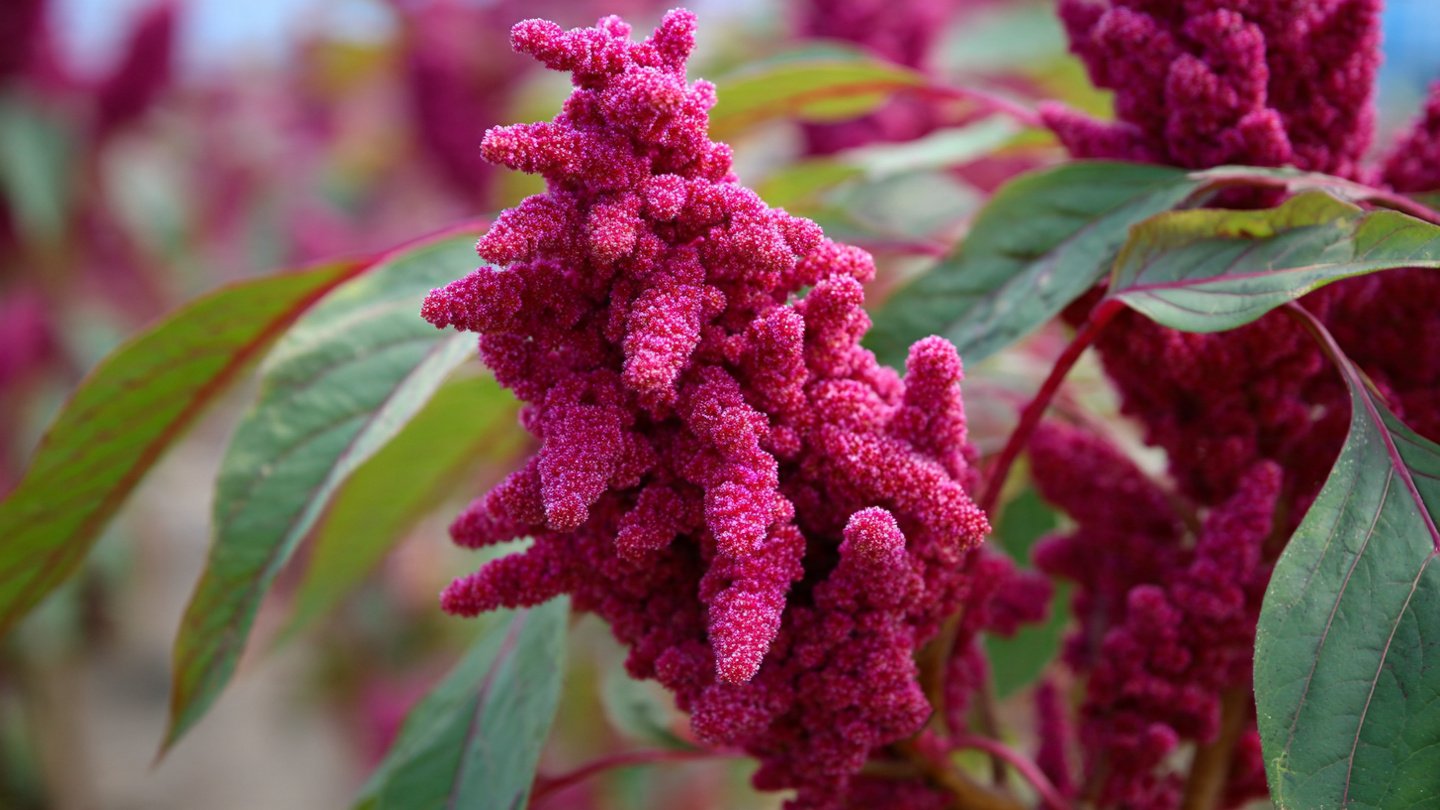
Amaranth has been cultivated for thousands of years, prized not only for its vibrant color but also for its grain, which is high in protein, fiber, and essential amino acids. This ancient grain is highly versatile, making it a great addition to your garden. If you’re considering growing your own amaranth for grain, this guide will provide you with the essential steps to ensure a successful and fruitful harvest.
Understanding Amaranth
Amaranth is a broad term that refers to a family of plants; however, the two main species cultivated for grain are Amaranthus hypochondriacus (Prince of Wales) and Amaranthus cruentus (Blood amaranth). These plants are relatively hardy, drought-resistant, and well-suited to a range of climatic conditions, making them ideal for home gardeners.
Latest Posts
- OnePlus Turbo 6V 5G Launched – for Gamers with 9000mAh Battery, 220MP Camera & Snapdragon 8s Gen 4
- Realme GT 8 Pro Officially Launched – 200MP Camera, 7,000mAh Battery and Snapdragon 8 Elite
- OPPO K13 Turbo 5G Launched – 7,000mAh Battery, 50MP Camera and High-Performance Chipset
- Realme 17 Pro 5G Unveiled – IP69K Certified, 200MP Camera and Massive 8600mAh Battery
- Vivo Premium Smartphone Launched – 200MP Camera, 90W Fast Charging and 16GB RAM
- POCO F8 Ultra Launched – Snapdragon Flagship Power, Bose Audio and Huge Battery
- POCO F8 Ultra Launched – Snapdragon Flagship Power, Bose Audio and Huge Battery
- OnePlus Nord 3 5G Launched – 120Hz AMOLED Display, 50MP Camera and 5,000mAh Battery
- OnePlus Nord CE4 Launched – Powerful Snapdragon 7 Gen 3, 50MP Camera and Long-Lasting Battery
- OnePlus Smartphone Revealed – Premium 5G Smartphone with 200MP Camera, 24GB RAM and 100W Fast Charging
Choosing the Right Variety
Several varieties of amaranth exist, each with unique characteristics. When selecting the right variety for your garden, consider the following:
- Growing season: Some varieties mature faster than others. Choose a variety that suits your local climate and growing season.
- Color and taste: Amaranth seeds can vary in color. While most grains are brown, some are red or yellow. Taste can also differ, so if possible, sample before planting.
- Height: Some amaranth plants can grow quite tall (up to 7 feet), while others remain shorter. Choose based on your space and aesthetic preferences.
Preparation for Planting
Soil Requirements
Amaranth thrives in well-draining soil that is rich in organic matter. Conduct a soil test to check the pH; amaranth prefers a pH of 6.0 to 7.0. If your soil is too acidic, consider adding lime to enhance the pH level. Here are some tips for preparing your soil:

- Clear any weeds or debris.
- Incorporate organic matter, such as compost or well-rotted manure, to improve soil fertility.
- Till the soil to a depth of about 12 inches to ensure proper aeration.
When to Plant
Amaranth is typically planted in the spring after the last frost date. The seeds will germinate best when soil temperatures are between 70°F and 86°F (21°C to 30°C). In cooler regions, consider starting seeds indoors to get a jump on the growing season.
Planting Amaranth
You can grow amaranth from seeds sown directly in the garden or started indoors. Follow these procedures to optimize growth:
- Direct sowing: Sow seeds ¼ to ½ inch deep, spacing them approximately 12 inches apart in rows.
- Indoor starting: If beginning indoors, plant seeds in seed trays about 6 to 8 weeks before the last frost. Transplant seedlings outdoors when they are about 4-6 inches tall.
Caring for Your Amaranth Plants
Watering

Amaranth requires adequate watering, especially during the establishment phase. The general rule is to keep the soil consistently moist but not waterlogged. Once established, amaranth is more drought-resistant but will benefit from occasional watering during dry spells.
Weed Control
Weeds can compete with amaranth for nutrients and water. Regularly check your garden and remove weeds by hand or with mulch to suppress their growth. Be cautious not to disturb the young amaranth plants while weeding.
Pest and Disease Management
While amaranth is relatively pest-resistant, you may encounter aphids, caterpillars, and grasshoppers. Here are some tips to manage pests:
- Regularly inspect plants and remove any pests by hand.
- Use insecticidal soap or neem oil if infestations occur.
- Ensure good air circulation and avoid overhead watering to minimize disease risks.
Harvesting Amaranth
Your amaranth will be ready for harvest when the seed heads start to turn brown and dry out, which usually occurs late in the summer or early fall, depending on your climate. Here are the steps for harvesting:
- Cut the seed heads from the plant using sharp garden scissors.
- Hang the seed heads upside down in a dry, airy place to allow any remaining moisture to evaporate.
- Once fully dried, gently rub the seed heads to release the seeds.

Post-Harvest Processing
After harvesting, you may want to clean and store your amaranth grains. Follow these steps:
- Remove any chaff or debris, which can be done by winnowing.
- Store the cleaned seeds in an airtight container in a cool, dry place, away from direct sunlight.
- Label your container with the date of harvest to ensure freshness.
Nutrition and Culinary Uses
Amaranth grain is not only versatile but also extremely nutritious. It is gluten-free and rich in:
- Protein: Contains up to 30% more protein than wheat.
- Fiber: Aids in digestion and maintains gut health.
- Vitamins and Minerals: High in calcium, iron, and vitamins A and C.

In the kitchen, amaranth can be used in various dishes, including:
- Breakfast cereals: Cook like oatmeal or add to granola.
- Soups and stews: Add grains for a protein boost.
- Baking: Substitute amaranth flour for regular flour in select recipes.
Conclusion
Growing your own amaranth for grain is a rewarding endeavor that offers both culinary benefits and nutritional advantages. With proper preparation, care, and harvesting techniques, you can successfully cultivate this ancient crop in your garden. Not only will you enjoy the satisfaction of growing your own food, but you’ll also be contributing to sustainable agriculture and a healthier diet.
Frequently Asked Questions (FAQs)
1. Is amaranth easy to grow in any climate?
Yes, amaranth is versatile and can adapt to a wide range of climatic conditions, making it suitable for most regions.
2. How should I store harvested amaranth seeds?

Store amaranth seeds in an airtight container in a cool, dry place away from light to maintain freshness.
3. Can I grow amaranth in pots?
Yes, amaranth can be grown in pots, but ensure the pot is large enough to accommodate the plant’s root system, ideally 5-gallon or larger.
4. How long does it take for amaranth to grow before harvest?
Typically, amaranth takes about 70-100 days from planting to harvest, depending on the variety and growing conditions.
5. Are there any companion plants for amaranth?
Good companion plants for amaranth include beans, corn, and various herbs, all of which can help deter pests and promote growth.
Leave a Reply