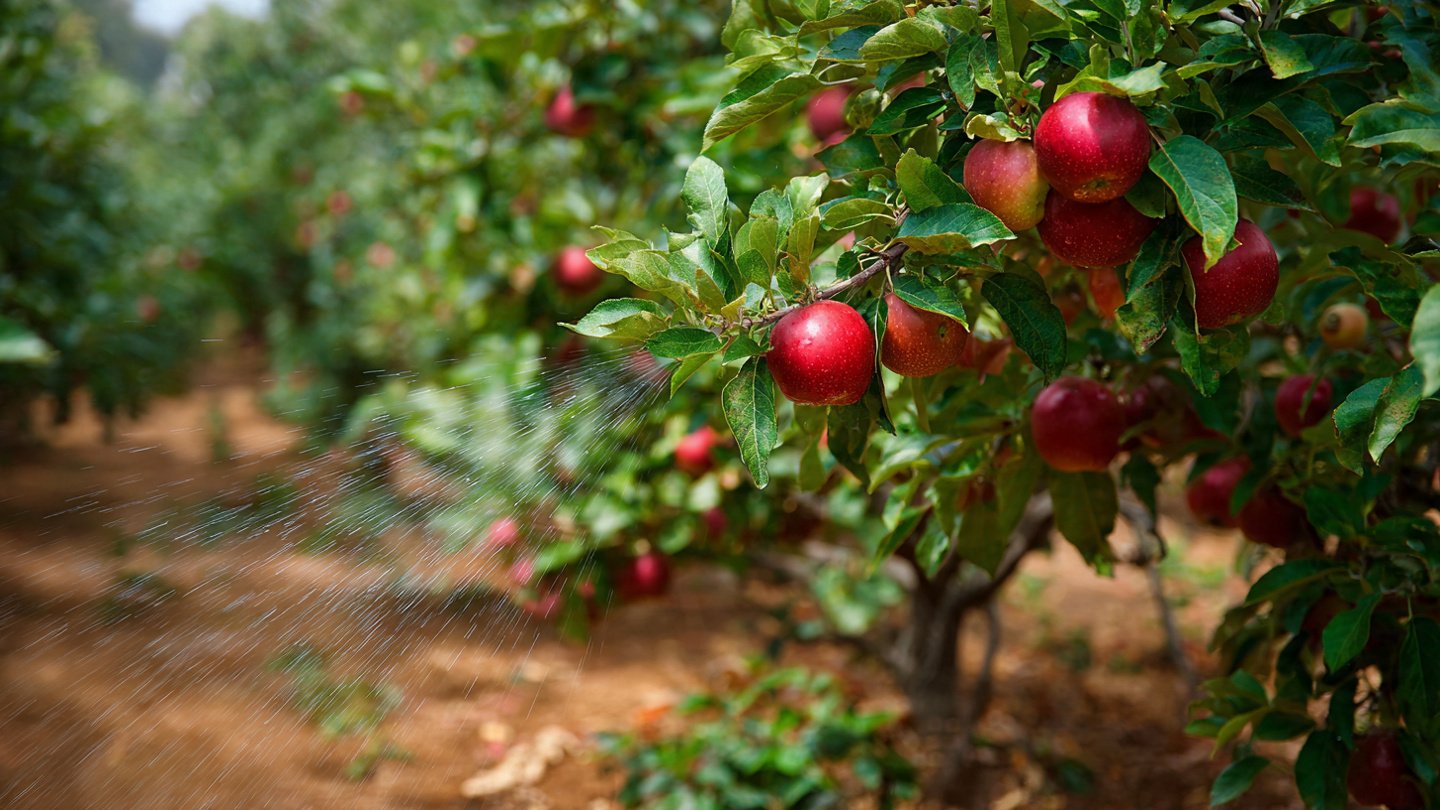
Understanding the Basics of Fruit Tree Care
When it comes to growing fruit trees, many factors contribute to their overall health and productivity. One of the most crucial aspects is a consistent watering routine. Water is essential for a tree’s growth, development, and fruit production. In this article, we will explore how a consistent watering routine can transform the health of your fruit trees.
The Role of Water in Plant Physiology
Latest Posts
- OnePlus Turbo 6V 5G Launched – for Gamers with 9000mAh Battery, 220MP Camera & Snapdragon 8s Gen 4
- Realme GT 8 Pro Officially Launched – 200MP Camera, 7,000mAh Battery and Snapdragon 8 Elite
- OPPO K13 Turbo 5G Launched – 7,000mAh Battery, 50MP Camera and High-Performance Chipset
- Realme 17 Pro 5G Unveiled – IP69K Certified, 200MP Camera and Massive 8600mAh Battery
- Vivo Premium Smartphone Launched – 200MP Camera, 90W Fast Charging and 16GB RAM
- POCO F8 Ultra Launched – Snapdragon Flagship Power, Bose Audio and Huge Battery
- POCO F8 Ultra Launched – Snapdragon Flagship Power, Bose Audio and Huge Battery
- OnePlus Nord 3 5G Launched – 120Hz AMOLED Display, 50MP Camera and 5,000mAh Battery
- OnePlus Nord CE4 Launched – Powerful Snapdragon 7 Gen 3, 50MP Camera and Long-Lasting Battery
- OnePlus Smartphone Revealed – Premium 5G Smartphone with 200MP Camera, 24GB RAM and 100W Fast Charging
Water serves multiple roles in plant physiology, and understanding these can help you appreciate why consistent watering is vital for fruit trees. Here are some key functions:
- Photosynthesis: Water is a core component of photosynthesis, the process through which trees convert sunlight into energy.
- Nutrient Transport: Water aids in the movement of nutrients from the soil into the plant, ensuring that the trees receive essential elements for growth.
- Cell Structure: Turgor pressure, which keeps the plant cells rigid, is maintained by water. Without adequate water, trees can become wilty and stress easily.
Establishing a Consistent Watering Routine
To ensure your fruit trees thrive, establishing a consistent watering routine is essential. Here are the steps involved:

1. Assess the Soil Type
Your soil type significantly influences how often and how much you need to water your trees. Sandy soils drain quickly, while clay soils retain moisture longer. Conduct a simple test by digging down a few inches to assess the moisture level:
- If the soil feels dry a couple of inches down, it’s time to water.
- If it’s still moist, you may wait a little longer before watering.
2. Determine Watering Needs
Different fruit trees have varied watering requirements based on their age, size, and species. Newly planted trees typically need more frequent watering as they establish their roots, while mature trees may require less frequent attention. Consulting specific guidelines for your tree types will help you meet their unique needs.
3. Water Deeply, but Infrequently
It is generally better to water deeply and less frequently than to water shallowly and often. Deep watering encourages roots to grow deeper into the soil, which helps them access moisture and nutrients that are available at lower levels. Aim for a depth of 12-18 inches when watering, depending on the tree’s age and size.
4. Consider Environmental Factors
Weather conditions significantly impact watering needs. In hot, dry seasons, you may need to water more frequently. Conversely, during rainy periods, you might reduce or even skip watering sessions. Always stay observant to the conditions affecting your trees.

Benefits of a Consistent Watering Routine
Now that we’ve established the importance of consistent watering, let’s delve into the benefits that a reliable routine can bring to your fruit trees:
1. Enhanced Growth and Development
Consistent watering promotes robust growth and encourages the establishment of a strong root system. When trees receive the needed water regularly, they can devote energy to developing foliage and, ultimately, fruit production. This reliable supply of moisture translates into better growth rates and overall vitality.
2. Improved Fruit Quality and Yield
Water stress can lead to poor-quality fruit—smaller sizes, uneven ripening, or lower sugar content. Fruit trees that receive adequate water consistently are less prone to issues related to fruit quality. This results in higher yields of tastier fruit, which can have significant economic benefits for those selling their produce.
3. Increased Resistance to Pests and Diseases
Strong, healthy trees are better equipped to resist diseases and pests. A consistent watering routine keeps trees hydrated, minimizing the stress that can make them more vulnerable to infestations and infections. This resilience reduces the need for chemical interventions and promotes a more natural growing environment.
4. Better Soil Health

When you water consistently, you foster a healthy environment for beneficial microorganisms in the soil. These microbes play a pivotal role in decomposing organic matter and recycling nutrients essential for plant health. Healthy soil leads to healthier trees that can withstand adversity.
5. Reduced Stress on Trees
Consistent watering helps mitigate the effects of drought stress. Trees that experience intermittent watering may exhibit symptoms such as leaf drop, wilting, and stunted growth. By ensuring a steady moisture supply, you can reduce stress levels and promote a healthier overall tree structure.
Watering Techniques for Optimal Results
To achieve the maximum benefits from your consistent watering routine, consider the following techniques:
1. Drip Irrigation
This method delivers water directly to the roots of the tree through a network of tubing and emitters. It minimizes evaporation and runoff, ensuring that the water goes where it’s needed most.
2. Soaker Hoses
Soaker hoses can be laid out around the tree’s drip line and left to deliver a gradual supply of water, making it an efficient option for watering your trees consistently.

3. Mulching
Applying mulch around the base of the tree can help retain soil moisture, regulate temperature, and suppress weeds. This means that the tree will require less frequent watering.
Conclusion
A consistent watering routine can dramatically transform the health of your fruit trees. By understanding the physiological needs of the trees, establishing a suitable watering schedule, and employing effective watering techniques, you can significantly enhance growth, improve fruit quality, and bolster resistance to pests and diseases. Pay attention to the specific needs of your trees, and you’ll be rewarded with a bountiful and vibrant harvest season after season.
FAQs
1. How often should I water my fruit trees?
The watering frequency depends on various factors, including soil type, weather conditions, and the age of the tree. Typically, younger trees require more frequent watering, while established trees need less. Aim for deep watering sessions every 1-2 weeks, adjusting based on weather conditions.
2. Is it better to water in the morning or evening?
Watering in the morning is generally recommended as it allows the trees to absorb moisture before temperatures rise during the day. This minimizes evaporation and reduces the risk of fungal diseases associated with damp foliage.
3. Can I overwater my fruit trees?

Yes, overwatering can lead to poor root health, root rot, and nutrient leaching. It’s crucial to monitor soil moisture levels to ensure you provide enough water without overdoing it. Always gauge the moisture two inches below the surface before watering.
4. What signs indicate my tree needs more water?
Signs include wilting leaves, dry or crumbly soil, and leaf drop. Additionally, if the fruit sizes are smaller than usual or appears to be shriveling, the tree may be experiencing water stress.
5. Should I water my fruit trees in the winter?
While most trees enter a dormant phase in winter and require less water, it’s still important to monitor soil moisture. In particularly dry winters, you may need to water to ensure the roots remain hydrated.
Leave a Reply