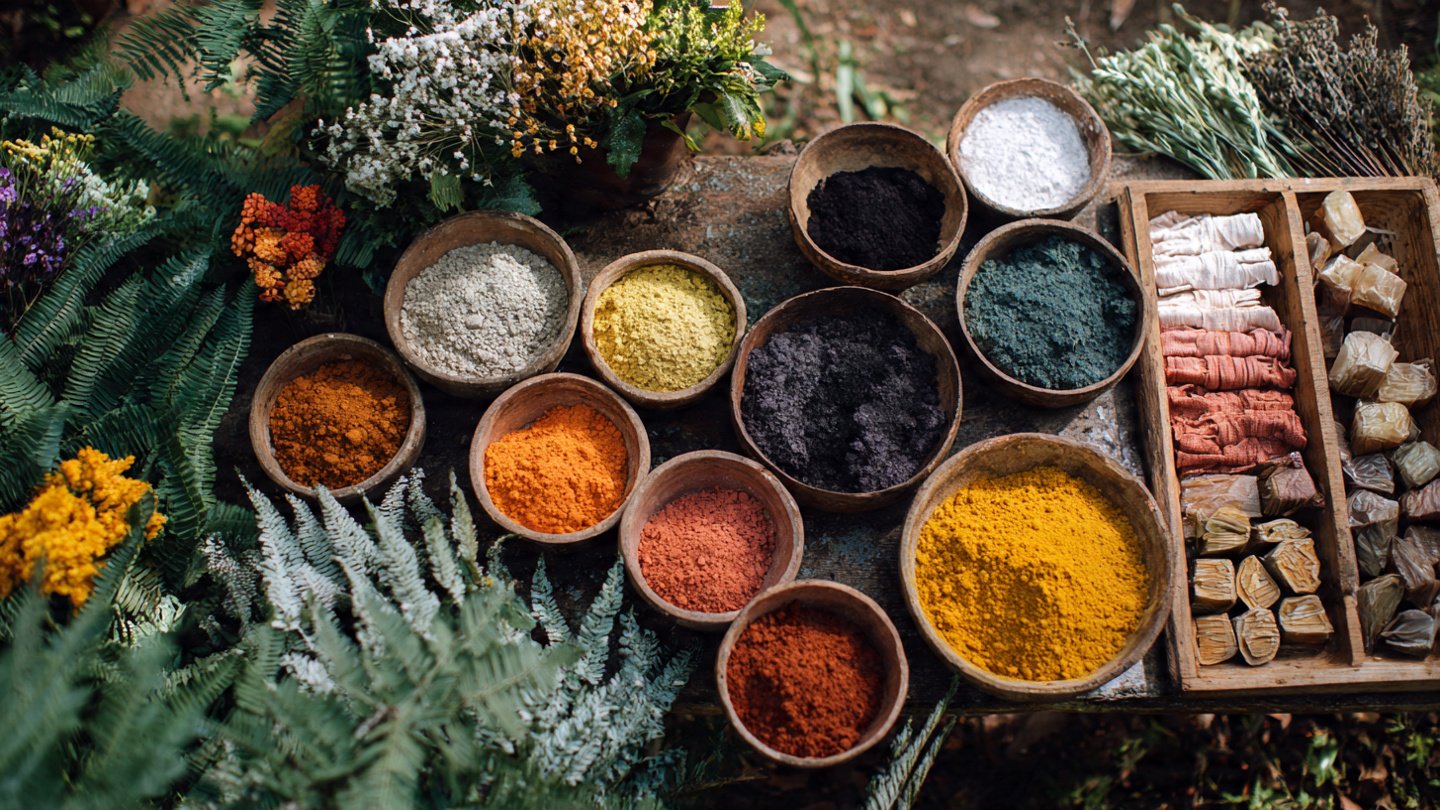
Natural dyeing is a beautiful way to create color and texture for textiles and art. Cultivating a garden specifically for natural dyeing can provide you with a rich palette of colors sourced directly from plants. Below are key steps to help you set up a vibrant natural dye garden.
1. Understand the Basics of Natural Dyes
Before starting your garden, it’s essential to understand how natural dyes work. Many plants contain pigments that can be extracted by boiling the plant in water. Knowledge of the dyeing process will guide your selection of plants, which can be divided into several categories:
Latest Posts
- OnePlus Turbo 6V 5G Launched – for Gamers with 9000mAh Battery, 220MP Camera & Snapdragon 8s Gen 4
- Realme GT 8 Pro Officially Launched – 200MP Camera, 7,000mAh Battery and Snapdragon 8 Elite
- OPPO K13 Turbo 5G Launched – 7,000mAh Battery, 50MP Camera and High-Performance Chipset
- Realme 17 Pro 5G Unveiled – IP69K Certified, 200MP Camera and Massive 8600mAh Battery
- Vivo Premium Smartphone Launched – 200MP Camera, 90W Fast Charging and 16GB RAM
- POCO F8 Ultra Launched – Snapdragon Flagship Power, Bose Audio and Huge Battery
- POCO F8 Ultra Launched – Snapdragon Flagship Power, Bose Audio and Huge Battery
- OnePlus Nord 3 5G Launched – 120Hz AMOLED Display, 50MP Camera and 5,000mAh Battery
- OnePlus Nord CE4 Launched – Powerful Snapdragon 7 Gen 3, 50MP Camera and Long-Lasting Battery
- OnePlus Smartphone Revealed – Premium 5G Smartphone with 200MP Camera, 24GB RAM and 100W Fast Charging
- Slow-releasing Dyes: These plants require longer extraction times.
- Fast-dyeing Plants: Offer immediate color upon boiling.
- Supporting Plants: Used in conjunction with others to enhance or modify colors.
2. Create a Plan for Your Garden
Designing your garden layout is fundamental. Consider the following:
- Space: Identify a sunny location, preferably with well-drained soil.
- Soil Quality: Test your soil for pH and nutrients. Most dye plants thrive in a slightly acidic to neutral pH.
- Placement: Group plants by their seasons and color ranges for easy harvesting.

3. Select Your Plants
Choosing the right plants is crucial to achieving a colorful garden. Here are some popular plants that provide beautiful natural dyes:
- Goldenrod: Produces bright yellows when extracted.
- Weld: Another excellent source of yellow.
- Madder: Provides a rich red hue.
- Indigo: Famous for its vibrant blue color.
- Coreopsis: Offers orange and yellow shades.
- Avocado Pits/Skins: Give a soft pink to peach dye.
4. Planting and Maintenance
Once you’ve selected your plants, it’s time to get your hands dirty! Follow these steps for successful planting:

- Timing: Plant seeds in spring after the last frost.
- Spacing: Follow recommended spacing for each plant to prevent overcrowding.
- Watering: Keep your plants well-watered, especially during dry periods but avoid overwatering.
- Weeding: Regularly remove weeds to reduce competition for nutrients.
- Fertilization: Use organic fertilizers to enhance soil fertility.
5. Harvesting Your Dyes
Knowing when and how to harvest your plants is vital to maximize dye potential:
- Timing: Harvest plants when they are mature. Flowering plants are typically the best sources of dye.
- Technique: Cut the plants in the early morning when the dew has lifted.
- Preservation: Use fresh plants immediately or dry them for later use.
6. Dye Extraction Process
The process of extracting dye from plants includes several steps:

- Curing: If you’re using dried plants, rehydrate them in warm water.
- Simmering: Boil the plant materials in water for a specific duration (usually 30 minutes to an hour).
- Straining: Once your dye has reached the desired concentration, strain the plant materials out.
- Dyeing: Immerse the fabric into the dye bath. The length of time will affect the intensity of color.
7. Experimentation and Color Variability
Part of the charm of natural dyeing is the variability of colors. Here are ways to experiment:
- Mixing Dyes: Combine different plant dyes for unique shades.
- Mordants: Use mordants (like alum or iron) to set the dye and alter colors.
- Fabric Choice: Different fibers (cotton, wool, silk) absorb dyes differently.
8. Sustainable Practices
To maintain the vibrancy and sustainability of your natural dye garden:

- Seed Saving: Collect seeds from your plants each season.
- Organic Methods: Avoid chemical pesticides and fertilizers.
- Companion Planting: Utilize plants that benefit each other to promote biodiversity.
Conclusion
Cultivating a vibrant natural dye garden is a rewarding journey that brings color and creativity into your life. By understanding the basics, planning your layout, selecting the right plants, and caring for them well, you can create a sustainable source of natural dyes for various textiles and art projects. Not only do these gardens yield a palette of beautiful colors, but they also contribute to ecological balance and biodiversity, making them invaluable in today’s world.
FAQs
Q: Can I use any plant for dyeing?
A: Not all plants yield good dyes. Research on specific plants to find those known for their dyeing properties.
Q: How do I know which mordant to use?

A: Different mordants produce different effects. Alum is a great all-purpose mordant, while iron gives darker hues.
Q: Is natural dyeing safe for the environment?
A: Yes, when done correctly and using organic practices, natural dyeing can be very eco-friendly.
Q: How long will the color last on fabric?
A: This can vary based on the plant used and how the fabric is cared for. Some natural dyes are very lightfast while others may fade.
Q: Can I harvest plants all season long?
A: Yes, many dye plants can be harvested throughout their growing season, but be sure to leave some for the plant’s health and to ensure future growth.
Leave a Reply