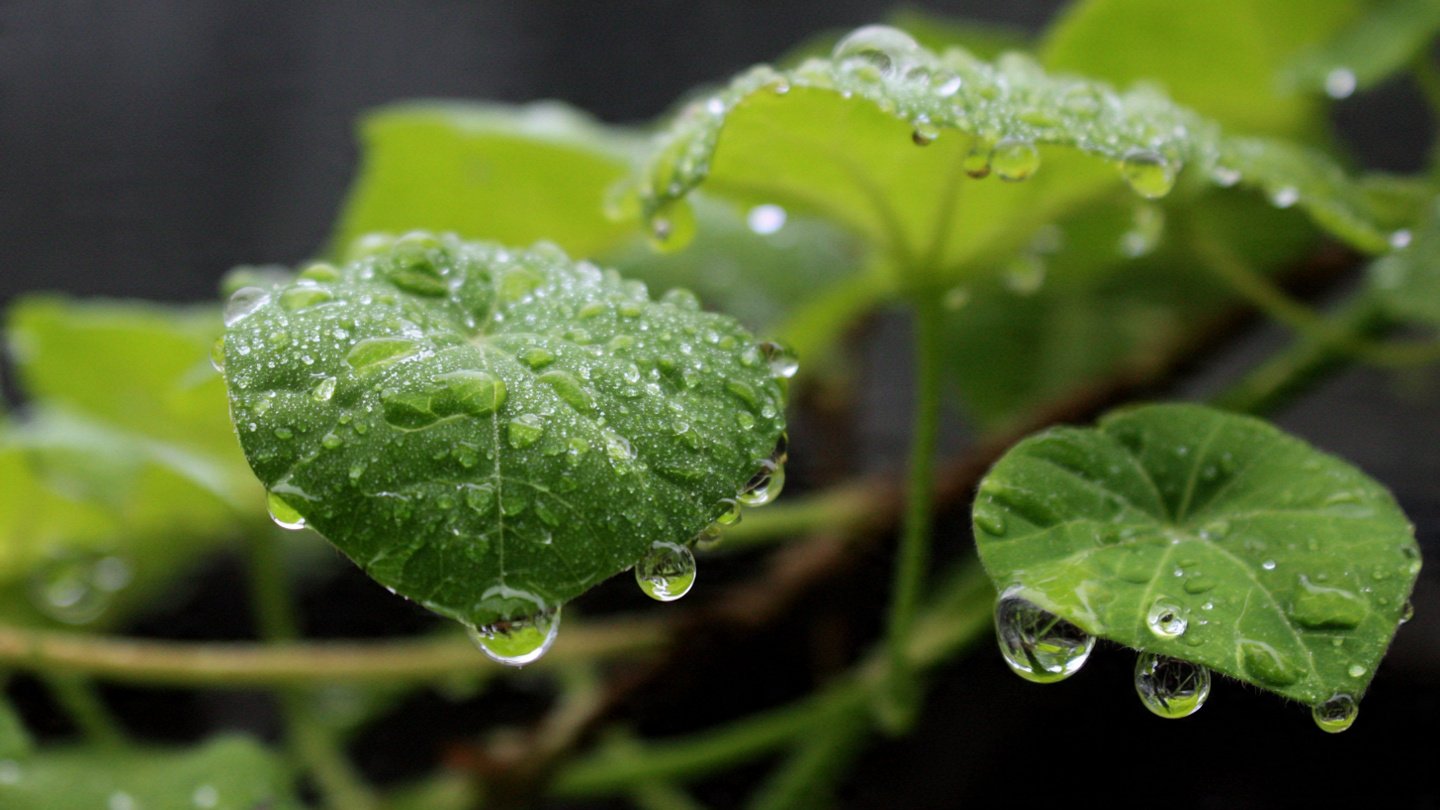
Many homeowners and plant enthusiasts encounter an annoying phenomenon known as hard water spots on their indoor and outdoor plants. These spots often manifest as white, crusty deposits on the leaves, resulting from minerals like calcium and magnesium found in tap water. Hard water can leave these residues as the water evaporates, leading to unsightly marks that can detract from your plants’ appearance and potentially harm their health.
The Importance of Clean Leaves
Cleaning your plant leaves is essential for several reasons:
Latest Posts
- OnePlus Turbo 6V 5G Launched – for Gamers with 9000mAh Battery, 220MP Camera & Snapdragon 8s Gen 4
- Realme GT 8 Pro Officially Launched – 200MP Camera, 7,000mAh Battery and Snapdragon 8 Elite
- OPPO K13 Turbo 5G Launched – 7,000mAh Battery, 50MP Camera and High-Performance Chipset
- Realme 17 Pro 5G Unveiled – IP69K Certified, 200MP Camera and Massive 8600mAh Battery
- Vivo Premium Smartphone Launched – 200MP Camera, 90W Fast Charging and 16GB RAM
- POCO F8 Ultra Launched – Snapdragon Flagship Power, Bose Audio and Huge Battery
- POCO F8 Ultra Launched – Snapdragon Flagship Power, Bose Audio and Huge Battery
- OnePlus Nord 3 5G Launched – 120Hz AMOLED Display, 50MP Camera and 5,000mAh Battery
- OnePlus Nord CE4 Launched – Powerful Snapdragon 7 Gen 3, 50MP Camera and Long-Lasting Battery
- OnePlus Smartphone Revealed – Premium 5G Smartphone with 200MP Camera, 24GB RAM and 100W Fast Charging
- Aesthetic Appeal: Clean leaves are visually pleasing and can enhance the overall look of your indoor space.
- Photosynthesis: Dust and mineral deposits can block sunlight, reducing the plant’s ability to photosynthesize effectively.
- Pest Prevention: Dusty leaves are more susceptible to pests that thrive in unclean conditions, making regular cleaning essential for plant health.
Why Vinegar?

Vinegar, particularly white vinegar, is a natural cleaning agent known for its ability to dissolve mineral buildup. It contains acetic acid, which effectively cuts through hard water spots, making it a go-to solution for many cleaning tasks, including rejuvenating plant leaves. Additionally, vinegar is non-toxic, making it safer for pets and children compared to many commercial cleaning products.
How to Use Vinegar for Cleaning Plant Leaves
Cleaning hard water spots from leaves using vinegar is straightforward. Follow these steps to ensure your plants regain their shine:
Materials Needed:
- White vinegar
- Water
- Spray bottle
- Soft cloth or sponge
- Bowl (optional)

Instructions:
- Prepare the Vinegar Solution: Mix one part white vinegar with three parts water in a spray bottle. For extremely tough deposits, you can use a stronger solution with equal parts vinegar and water.
- Test on a Small Area: Before applying to all leaves, test the solution on a small, inconspicuous area to ensure it does not harm the plant.
- Application: Spray the vinegar solution directly onto the affected leaves, ensuring the spots are thoroughly saturated.
- Wipe Clean: Using a soft cloth or sponge, gently wipe the leaves, removing the hard water spots. Be careful not to tear the leaves; gentle pressure is key.
- Rinse (Optional): If desired, you can rinse the leaves with water to remove any vinegar residue.
- Dry Off: Allow the leaves to air dry or gently pat them dry with another soft cloth.
Additional Tips for Leaf Care
Maintaining clean leaves is part of a broader plant care routine. Here are some additional tips to keep your plants healthy:

- Use Distilled Water: If hard water is an ongoing issue, consider using distilled water for your plants, as it does not contain minerals that can leave deposits.
- Avoid Overwatering: Overwatering can lead to mineral buildup and fungal issues. Allow the topsoil to dry before watering again.
- Regular Dusting: In addition to occasional deep cleaning, give leaves a quick dusting every month to maintain their health.
- Rotate Your Plants: Turn your plants every few weeks to ensure all sides receive equal light exposure, promoting even growth.
Environmental Considerations
Using vinegar not only benefits your plants but is also an environmentally friendly choice. Traditional cleaning products often contain harmful chemicals that can wash into waterways. In contrast, vinegar is biodegradable and poses minimal risk to the environment, making it an ideal choice for eco-conscious individuals.
Conclusion
Cleaning hard water spots from plant leaves doesn’t have to be a daunting task, especially when using a natural solution like vinegar. By following the aforementioned steps, you can restore your plants to their former glory while ensuring their health and vitality. Whether you’re a seasoned gardener or just starting, understanding how to care for your plants effectively is essential. Embracing natural cleaning agents not only keeps your plants looking great but also supports a healthier environment.

FAQs
1. Can I use vinegar on all types of plants?
While vinegar is safe for many plants, some sensitive species may react negatively. Always test on a small area first.
2. How often should I clean my plant leaves?
Cleaning every few weeks to a month is recommended, depending on dust and hard water conditions in your area.
3. What should I do if the hard water spots persist after cleaning?
If stubborn spots remain, consider increasing the vinegar concentration in your solution and repeating the cleaning process.

4. Is there a specific type of vinegar I should use?
White vinegar is the most effective for this purpose, as it has a higher acid content compared to other types.
5. Can vinegar harm my plant in any way?
Using vinegar excessively or in high concentrations can harm plants. Always dilute and apply it cautiously.
Leave a Reply