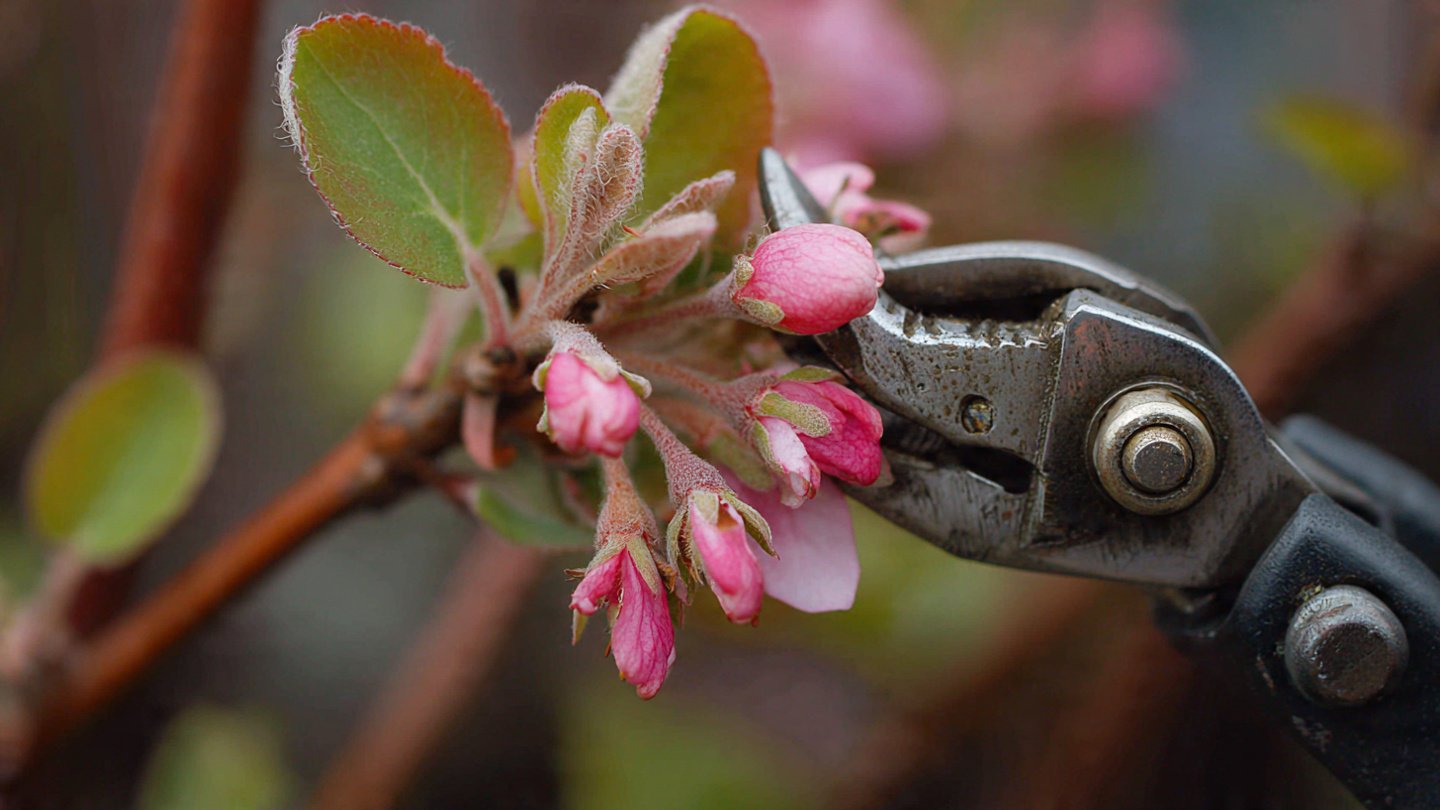
Pruning is an essential part of gardening that not only helps in maintaining the aesthetic appeal of plants but also promotes healthy growth. One of the main objectives of pruning is to maximize airflow around the leaves and flowers. Proper airflow reduces the risk of fungal diseases, encourages strong stems, and leads to robust blooms. In this article, we’ll cover the essential steps, techniques, and tips for pruning flower leaves effectively for maximum airflow.
Understanding the Importance of Airflow
Air circulation around your plants is critical for several reasons:
- Reduces Disease: Fungi and bacteria thrive in damp, still air. By ensuring adequate airflow, you can minimize humidity around the leaves, reducing the potential for disease.
- Encourages Growth: Plants require oxygen for respiration, just like humans. Adequate airflow enhances growth by ensuring plants receive sufficient oxygen.
- Increases Pollination: Good airflow helps in attracting pollinators like bees and butterflies, which leads to better pollination and healthier plants.
When to Prune Your Flowering Plants
Timing is a crucial factor when it comes to pruning. The best time to prune will depend on the type of flowering plant and its blooming season:

- Spring Bloomers: These plants should be pruned right after they finish blooming. For example, if you have azaleas or tulips, wait until the flowers fade before cutting back foliage.
- Summer Bloomers: Plants such as roses and hydrangeas should be pruned in late winter or early spring before new growth begins.
- Evergreen Plants: Light pruning can be conducted in early spring or late summer to maintain shape without disrupting growth.
Tools You Will Need
Having the right tools is crucial for successful pruning. Here are some essential tools you should consider:
- Bypass Pruners: Ideal for cutting stems and branches up to 1 inch thick.
- Hand Shears: Useful for other small foliage and delicate jobs.
- Pruning Saw: Necessary for larger branches that need to be removed.
- Gloves: Protect your hands during the pruning process.
- Disinfectant: A solution to clean your tools between cuts to prevent disease transfer.
Steps to Prune Flower Leaves for Maximum Airflow
1. Assess the Plant
Before you start pruning, it’s important to examine the plant closely. Look for dead or diseased leaves, densely packed areas, and any stems that might be crossing over each other. Identifying these problem areas will guide your pruning process.
Latest Posts
- OnePlus Turbo 6V 5G Launched – for Gamers with 9000mAh Battery, 220MP Camera & Snapdragon 8s Gen 4
- Realme GT 8 Pro Officially Launched – 200MP Camera, 7,000mAh Battery and Snapdragon 8 Elite
- OPPO K13 Turbo 5G Launched – 7,000mAh Battery, 50MP Camera and High-Performance Chipset
- Realme 17 Pro 5G Unveiled – IP69K Certified, 200MP Camera and Massive 8600mAh Battery
- Vivo Premium Smartphone Launched – 200MP Camera, 90W Fast Charging and 16GB RAM
- POCO F8 Ultra Launched – Snapdragon Flagship Power, Bose Audio and Huge Battery
- POCO F8 Ultra Launched – Snapdragon Flagship Power, Bose Audio and Huge Battery
- OnePlus Nord 3 5G Launched – 120Hz AMOLED Display, 50MP Camera and 5,000mAh Battery
- OnePlus Nord CE4 Launched – Powerful Snapdragon 7 Gen 3, 50MP Camera and Long-Lasting Battery
- OnePlus Smartphone Revealed – Premium 5G Smartphone with 200MP Camera, 24GB RAM and 100W Fast Charging
2. Remove Dead and Diseased Leaves
Begin by removing any dead or diseased leaves. These leaves can harbor pests and diseases, which can spread throughout the plant. Use your bypass pruners to cut these leaves back to the base. Additionally, removing yellowing or wilted leaves will encourage new growth and improve airflow.

3. Thin Out Dense Areas
Look for clusters of leaves or branches that crowd the plant. You want to allow for more light and air to penetrate the center of the plant. As a rule of thumb, remove about one-third of the dense foliage to promote airflow without over-pruning.
4. Cut at the Right Angle
When pruning, make cuts at an angle to prevent water from sitting on the cut surface, which can lead to rot. Cut just above a node or leaf where new growth will sprout. This encourages healthier new growth and preserves the plant’s structure.
5. Space Out the Leaves
To maximize airflow, make sure there is space between the remaining leaves after pruning. This is especially important for flowering plants where blooms can be crowded. Aim for a spacing of at least several inches between leaves to ensure adequate airflow and light penetration.

6. Clean Up
After pruning, it’s crucial to clean up the area. Remove all pruned leaves and branches from the vicinity to prevent disease and pests from lingering around the plant.
Tips for Successful Pruning
- Regular Maintenance: Establish a routine for checking your plants and pruning regularly to keep them healthy.
- Use Sharp Tools: Make sure your pruners and shears are sharp to create clean cuts.
- Be Patient: Pruning is not a one-time task. It takes time for the plants to respond to pruning; be patient and observe how they grow over time.
- Mulch and Water: After pruning, consider applying mulch and watering your plants to support new growth and maintain soil health.
Conclusion
Pruning flowering plants for maximum airflow is a vital gardening practice that not only enhances plant health but also ensures beauty in your garden. By following the proper techniques, using the right tools, and timing your cuts correctly, you can encourage your plants to thrive, producing stunning blooms while minimizing the risk of disease. Remember that gardening is a journey, and with patience and care, your efforts will lead to a flourishing floral display.
FAQs
1. How often should I prune my flowering plants?
It often depends on the type of flowering plant. Generally, regular pruning either semi-annually or annually is recommended to maintain shape and health, following the specific blooming cycle of your plants.

2. Can I prune during the growing season?
While light pruning can sometimes be done during the growing season, it’s best to save more significant cuts for times when the plant is dormant or after blooming to avoid stressing the plant.
3. Do I need to seal the cuts made during pruning?
Typically, it’s not necessary to seal cuts unless dealing with large wounds. Healthy plants produce their own protective layers, and using sealants can sometimes hinder this natural process.
4. What should I do with the pruned leaves and branches?
Be sure to dispose of pruned leaves and branches to prevent diseases and pests from overwintering in your garden. Composting healthy materials is generally an option, but avoid composting diseased materials.

5. How can I tell if my plant needs pruning?
If your plants appear leggy, have a lot of overlapping branches, or show signs of disease (like yellowing leaves), it’s time to assess them for pruning.
Leave a Reply