Introduction
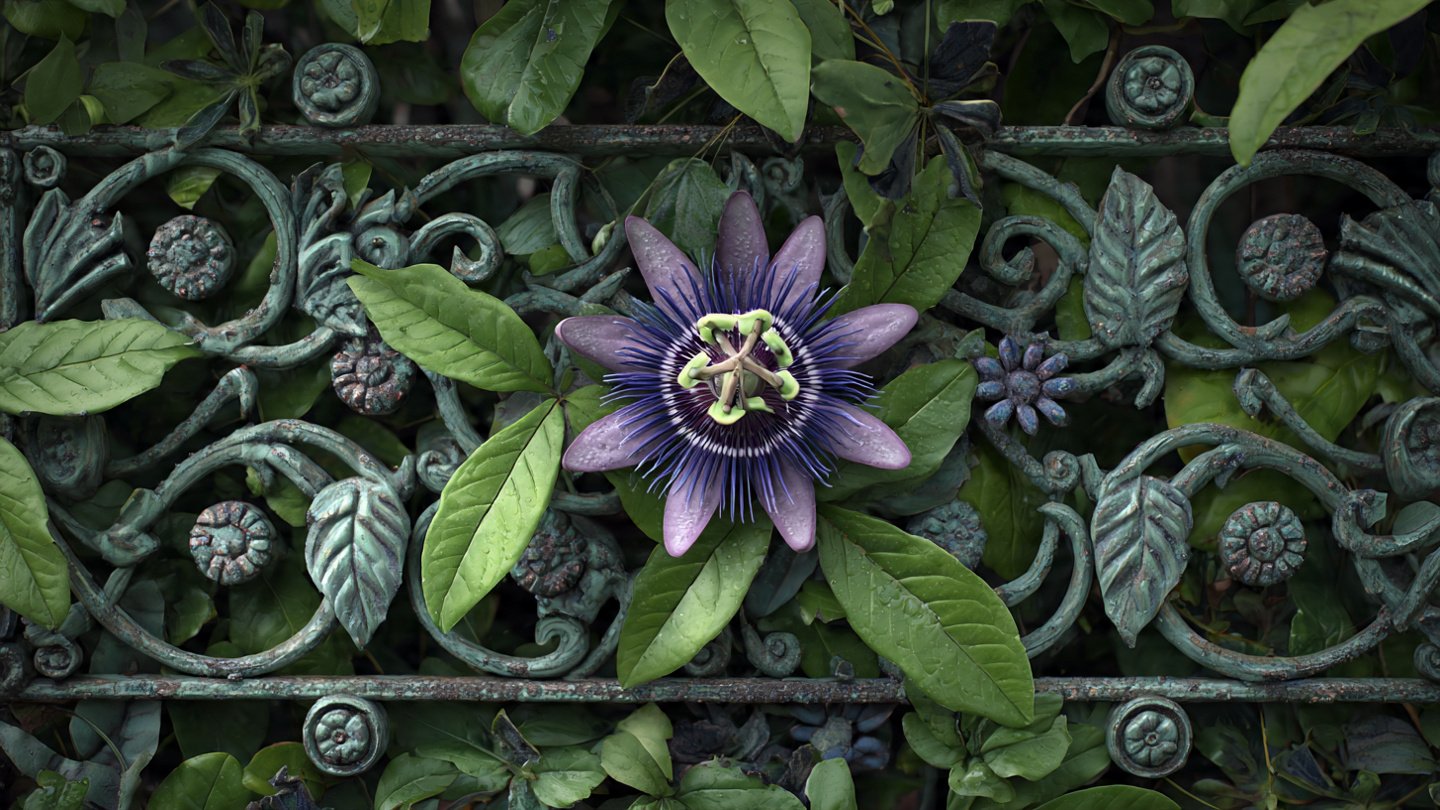
In the realm of gardening and landscape design, few plants can rival the beauty and versatility of the passion flower. With its mesmerizing blooms, rapid growth, and lush foliage, it serves not only as an eye-catching decorative plant but also as an effective screening option for fences. In this article, we will explore various aspects of growing passion flowers, including ideal growing conditions, propagation methods, care tips, and how to utilize them for a stunning decorative fence.
Understanding Passion Flower
Latest Posts
- OnePlus Turbo 6V 5G Launched – for Gamers with 9000mAh Battery, 220MP Camera & Snapdragon 8s Gen 4
- Realme GT 8 Pro Officially Launched – 200MP Camera, 7,000mAh Battery and Snapdragon 8 Elite
- OPPO K13 Turbo 5G Launched – 7,000mAh Battery, 50MP Camera and High-Performance Chipset
- Realme 17 Pro 5G Unveiled – IP69K Certified, 200MP Camera and Massive 8600mAh Battery
- Vivo Premium Smartphone Launched – 200MP Camera, 90W Fast Charging and 16GB RAM
- POCO F8 Ultra Launched – Snapdragon Flagship Power, Bose Audio and Huge Battery
- POCO F8 Ultra Launched – Snapdragon Flagship Power, Bose Audio and Huge Battery
- OnePlus Nord 3 5G Launched – 120Hz AMOLED Display, 50MP Camera and 5,000mAh Battery
- OnePlus Nord CE4 Launched – Powerful Snapdragon 7 Gen 3, 50MP Camera and Long-Lasting Battery
- OnePlus Smartphone Revealed – Premium 5G Smartphone with 200MP Camera, 24GB RAM and 100W Fast Charging
What is Passion Flower?
Passion flower (genus Passiflora) is a perennial vine that belongs to the family Passifloraceae. It is native to the tropical and subtropical regions of the Americas, and it is known for its intricate flowers, which are often purple, white, blue, or even red. The flowers have a unique structure, resembling a complex, tangled web of petals, filaments, and anthers. In addition to their ornamental appeal, some species produce edible fruit called passion fruit, which adds a bonus for gardeners looking to enjoy both beauty and utility.
Varieties of Passion Flower
When selecting passion flower for your fence, consider the following popular varieties:
-
Passiflora caerulea (Blue Passion Flower): Known for its striking blue and white flowers, this hardy variety can tolerate cooler temperatures and is a popular choice for many gardeners.
-
Passiflora edulis (Purple Passion Fruit): This variety is primarily grown for its delicious fruit. The flowers are equally attractive, and the plant can provide excellent coverage for fences.
-
Passiflora incarnata (Maypop): A hardy American native that produces lovely lavender flowers and edible fruit. It is well-suited for regions with temperate climates.
-
Passiflora alata (Winged-Stemmed Passion Flower): This vine produces stunning red and yellow flowers and has a vigorous growth habit, perfect for quickly covering fences.

Choosing the Right Location
Sunlight Requirements
Passion flowers thrive in full sunlight, requiring at least 6 to 8 hours of direct sunlight daily. Select a location for your fence that receives ample sunlight throughout the day. If you live in a particularly hot climate, providing some afternoon shade can prevent the leaves from scorching.
Soil Conditions
Passion flowers prefer well-drained soil rich in organic matter. A pH level ranging from 6.0 to 7.0 is ideal. Before planting, test your soil. If it is poor or compacted, amend it with compost or well-rotted manure to enhance its fertility and drainage.
Space and Support
Since passion flowers are vigorous climbers, they require a sturdy support structure. Fences, trellises, or arbors can serve as excellent supports. Ensure that whatever structure you choose is capable of withstanding the plant’s growth, as it can become heavy and sprawling.
Propagation Methods
Seed Propagation
-
Harvesting Seeds: Gather seeds from mature fruits, typically in late summer or early fall. Clean the seeds to remove any pulp.
-
Scarification: Soak the seeds in water for 24 hours. To enhance germination rates, gently scarify the seed coat with sandpaper.

-
Planting: Fill seed trays with a well-draining potting mix. Plant the seeds about 1 inch deep and water gently.
-
Germination: Place the trays in a warm, sunny location. Seeds usually germinate within 2 to 6 weeks.
Plant Division
If you have an established passion flower vine, you can propagate it by division:
-
Identify a healthy section: Choose a portion of the established vine with roots.
-
Dig: Carefully dig up the section, ensuring you capture roots.
-
Replant: Replant immediately in a new location or pot, ensuring it has the same soil and care conditions.
Cuttings
Another effective method of propagation is through cuttings:

-
Select a healthy stem: Look for new growth that is about 6 inches long.
-
Prepare the cutting: Cut below a leaf node and remove the lower leaves.
-
Rooting hormone: Dip the cut end in rooting hormone (optional) to encourage root development.
-
Planting: Place the cutting in a small pot with a mixture of potting soil and perlite. Water it lightly.
-
Care: Cover the pot with a plastic bag or a small greenhouse for humidity. Within a few weeks, roots should form.
Caring for Your Passion Flower
Watering
Passion flowers require regular watering, especially during dry spells. However, be cautious of overwatering, as this can lead to root rot. The top inch of soil should be allowed to dry out before watering again. For established plants, deep watering once a week is often sufficient, while young plants may need more frequent attention.
Fertilization
Feed your passion flower with a balanced fertilizer every 4 to 6 weeks during the growing season (spring through early fall). This will promote strong growth and vibrant blooms. Consider using an organic fertilizer or compost to enrich the soil while being environmentally considerate.

Pruning
Regular pruning helps to shape your passion flower and encourage bushier growth:
- In Spring: Remove dead or damaged stems and any growth that is overcrowded.
- After Flowering: Trim back spent blooms and longer stems to encourage more flowers.
You can also propagate cuttings during the pruning process.
Pest and Disease Management
Passion flowers are relatively resilient but can attract pests such as aphids, spider mites, and whiteflies. Keep an eye out for these issues:
- Manual Removal: Check leaves regularly and wash off any pests with water.
- Insecticidal Soap: For severe infestations, consider using insecticidal soap or neem oil.
Fungal diseases can also be a concern. Ensure plants are spaced adequately for air circulation and avoid overhead watering to minimize the risk.
Designing a Decorative Fence with Passion Flower
Creative Planting Arrangements

-
Layering: Consider planting passion flowers alongside other climbers like clematis or morning glories to create a multi-dimensional look.
-
Color Coordination: Select different varieties for a spectrum of colors—mix blue and white flowers with red and yellow strains for visual interest.
-
Height Variation: Combine passion flowers with lower-growing plants or ground covers at the base of your fence to create a tiered effect.
Enhancing the Fence Structure
-
Trellis: Integrate a decorative trellis into your fence design, allowing passion flower vines to climb and enhance the aesthetic.
-
Hanging Planters: Use hanging planters filled with trailing passion flowers for dramatic vertical interest.
-
Lighting: Install outdoor lighting to highlight the beauty of the blooms at night, creating a stunning visual effect.
Conclusion
Growing passion flower can significantly enhance the look of your decorative fence while providing a lush and vibrant atmosphere to your outdoor space. With its stunning blooms and vigorous growth, the passion flower thrives in the right conditions, making it a rewarding addition to any garden. By choosing the right variety, understanding care requirements, and designing creatively, you can transform an ordinary fence into a breathtaking floral display that captivates all who see it. With patience and attention, you’ll enjoy not only the beauty but also the fascination these unique plants bring to your home. Happy gardening!
Leave a Reply