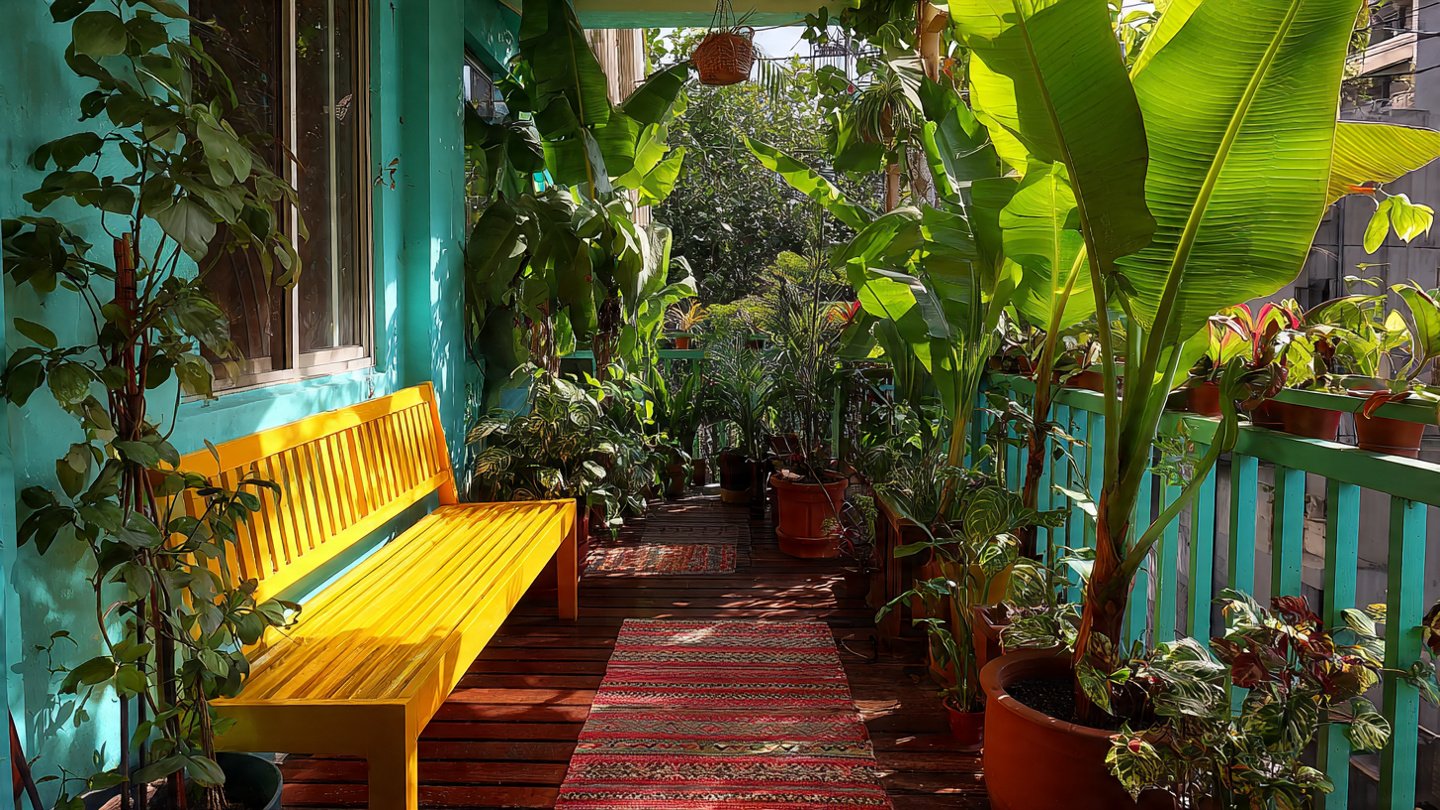
Transforming your balcony into a tropical paradise can be an exciting endeavor, and there’s no better way to achieve that than by starting a banana garden. Not only do banana plants add a lush aesthetic, but they also evoke a sense of the tropics and provide shade and privacy. This article will guide you through the essential steps to create a vibrant banana balcony garden that thrives in your urban space.
1. Understanding Your Space
Before you embark on creating a banana garden, it’s crucial to assess your balcony. Consider the following:
Latest Posts
- OnePlus Turbo 6V 5G Launched – for Gamers with 9000mAh Battery, 220MP Camera & Snapdragon 8s Gen 4
- Realme GT 8 Pro Officially Launched – 200MP Camera, 7,000mAh Battery and Snapdragon 8 Elite
- OPPO K13 Turbo 5G Launched – 7,000mAh Battery, 50MP Camera and High-Performance Chipset
- Realme 17 Pro 5G Unveiled – IP69K Certified, 200MP Camera and Massive 8600mAh Battery
- Vivo Premium Smartphone Launched – 200MP Camera, 90W Fast Charging and 16GB RAM
- POCO F8 Ultra Launched – Snapdragon Flagship Power, Bose Audio and Huge Battery
- POCO F8 Ultra Launched – Snapdragon Flagship Power, Bose Audio and Huge Battery
- OnePlus Nord 3 5G Launched – 120Hz AMOLED Display, 50MP Camera and 5,000mAh Battery
- OnePlus Nord CE4 Launched – Powerful Snapdragon 7 Gen 3, 50MP Camera and Long-Lasting Battery
- OnePlus Smartphone Revealed – Premium 5G Smartphone with 200MP Camera, 24GB RAM and 100W Fast Charging
-
Sunlight: Banana plants typically require full sun (6-8 hours daily). Observe how much sunlight your balcony receives, especially throughout different seasons.
-
Wind and Shelter: High winds can damage banana plants. If your balcony is windy, think about how to provide some protection, possibly through windbreaks or positioning the plants strategically.
-
Size and Load Capacity: Ensure your balcony can support the weight of the soil, pots, and plants. Consider the weight limit and opt for lightweight materials when choosing pots.
2. Choosing the Right Banana Variety
Different varieties of bananas can thrive in pots, but not all will suit your climate or space. Here are a few popular varieties that are well-suited for container gardening:
- Dwarf Cavendish: This is a compact variety that grows to about 4-5 feet tall, making it perfect for small spaces.
- Lady Finger: Known for producing sweet and flavorful fruit, this variety grows about 5-7 feet tall.
- Blue Java Banana: Also known as the “ice cream banana,” this variety has a unique flavor and grows up to 10 feet but can be maintained with proper pruning.

3. Selecting the Right Containers
Banana plants need ample space for their roots, so selecting the right container is crucial. Consider the following:
- Size: Choose large pots, ideally at least 15 gallons, to accommodate the plant’s root system.
- Drainage: Ensure that the containers have drainage holes to prevent waterlogging, which can lead to root rot.
- Material: Terracotta, wooden, or high-quality plastic pots are excellent choices. They retain moisture without becoming too heavy.
4. Soil Preparation
Banana plants require nutrient-rich, well-draining soil. Here’s how to prepare the perfect mix:
- Base Mixture: Start with high-quality potting soil.
- Additives: Incorporate compost for added nutrients. You can also mix in perlite or vermiculite to enhance drainage.
- pH Level: Aim for a soil pH between 5.5 and 7.0. Test your soil and amend as necessary.

5. Planting Your Bananas
Once your containers are ready, it’s time to plant. Follow these steps:
- Planting Depth: Dig a hole in the center of the pot slightly deeper than the root ball of the banana plant.
- Position: Place the plant in the hole and fill it with soil, ensuring the crown is at soil level. Water thoroughly after planting.
- Spacing: If planting multiple bananas, ensure at least 2-3 feet between them for airflow and growth.
6. Watering Regimen
Banana plants have high water requirements, especially during the growing season. Follow these guidelines for optimal watering:
- Frequency: Water regularly, keeping the soil consistently moist but not soggy.
- Signs: Look for drooping leaves or browning leaf tips, which indicate the plant is thirsty.
- Drainage: Ensure that excess water can escape to prevent root rot.
7. Fertilization
To keep your banana plants thriving, regular fertilization is essential. Here’s how to do it effectively:

- Type: Use a balanced fertilizer that is high in potassium, such as a 10-10-10 NPK mix, or opt for organic options like compost or banana peel fertilizer.
- Frequency: Fertilize every 6-8 weeks during the growing season (spring and summer).
- Application: Follow the manufacturer’s instructions for dosage, and water the plants after fertilizing to help distribute the nutrients.
8. Pruning and Maintenance
Regular maintenance helps promote healthy growth and fruit production:
- Remove Dead Leaves: Cut off any dead or damaged leaves to improve airflow and focus the plant’s energy on new growth.
- Thin Out Crowded Growth: If the plant becomes too bushy, selectively prune to maintain airflow and light penetration.
- Support: As the plant grows, you may need to stake it to provide support.
9. Pest Management
Banana plants can be susceptible to pests like aphids, spider mites, and mealybugs. Here are ways to manage pests organically:
- Neem Oil: Use neem oil sprays as a natural pest deterrent. Dilute it as per instructions and apply regularly.
- Insecticidal Soap: This is effective against soft-bodied pests. Follow manufacturer instructions for application.
- Natural Predators: Encourage natural predators like ladybugs or lacewings in your balcony garden.

10. Creating a Tropical Atmosphere
To enhance the tropical vibe of your banana garden, consider incorporating other plants and elements:
- Companion Planting: Mix in tropical plants like hibiscus, bougainvillea, or even ornamental grasses that thrive in similar conditions.
- Decorative Elements: Use bamboo stakes for supporting plants, decorative rocks, and tropical-themed garden ornaments to amplify the look.
- Lighting: Install fairy lights or lanterns to bring out the beauty of your garden during the evening.
11. Harvesting Bananas
Once your banana plants mature, you’ll be rewarded with fruit! Here’s how to know when to harvest:
- Color Change: Bananas typically turn a rich yellow color when ripe.
- Texture: The fruit should feel plump and firm, not hard.
- Timing: Depending on the variety, it can take 9-12 months from planting to harvest.
12. Overwintering Your Banana Plants
In cooler climates, banana plants may not survive the winter outdoors. If you need to bring them indoors:

- Transplanting: As winter approaches, you might need to transplant your banana plant into larger pots for indoor growth.
- Lighting: Ensure they get ample sunlight, possibly using grow lights if natural light is limited.
- Temperature Regulation: Maintain indoor temperatures around 60°F or higher.
13. Conclusion
Creating a vibrant banana balcony garden is an enjoyable project that brings a slice of the tropics to your home. By following these steps, you not only enhance your living space but also contribute positively to your lifestyle. Enjoy the process of watching your banana plants thrive, and revel in the lush retreats they offer amidst the urban landscape. Embrace your green thumb and watch your banana garden flourish, adding a unique and vibrant touch to your balcony.
Key Takeaways
- Assess your balcony’s sunlight, shelter, and space.
- Choose appropriate banana varieties for container gardening.
- Prepare nutrient-rich soil and water your plants adequately.
- Regularly fertilize, prune, and manage pests for healthy growth.
- Enhance the tropical atmosphere with companion plants and decorative elements.
With patience, care, and the right knowledge, your banana balcony garden can become a beautiful and fruitful part of your home for years to come. Happy gardening!
Leave a Reply