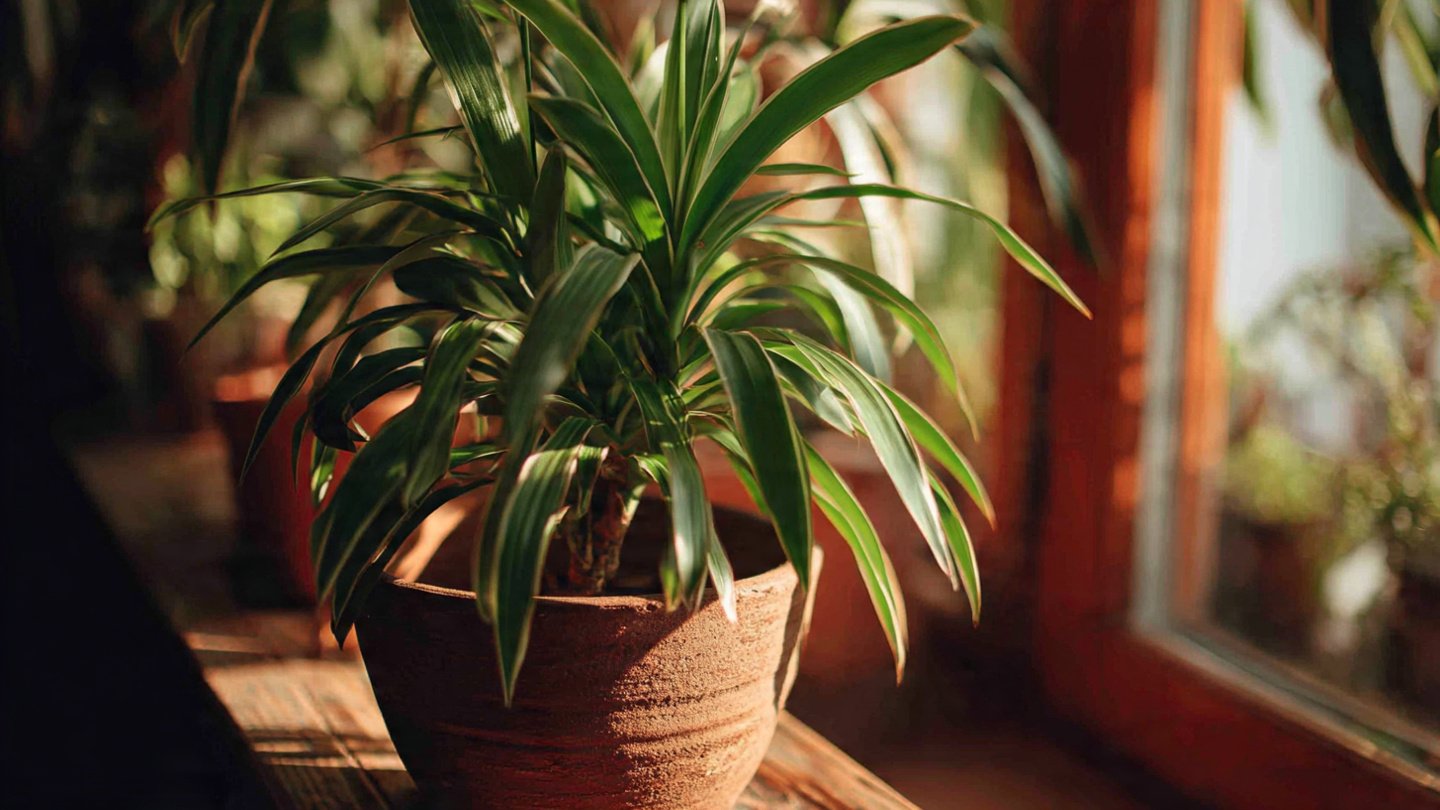
Lobelia is a stunning flowering plant that adds vibrant color to gardens and landscapes, especially during the cooler months. Known for its delicate flowers and lush foliage, this perennial is favored by gardeners for its ability to thrive in partial shade and its versatility in various settings, from hanging baskets to garden borders. In this article, we’ll explore everything you need to know about growing and maintaining lobelia, ensuring spectacular blooms throughout the cool season.
Understanding Lobelia
Species and Varieties
Latest Posts
- OnePlus Turbo 6V 5G Launched – for Gamers with 9000mAh Battery, 220MP Camera & Snapdragon 8s Gen 4
- Realme GT 8 Pro Officially Launched – 200MP Camera, 7,000mAh Battery and Snapdragon 8 Elite
- OPPO K13 Turbo 5G Launched – 7,000mAh Battery, 50MP Camera and High-Performance Chipset
- Realme 17 Pro 5G Unveiled – IP69K Certified, 200MP Camera and Massive 8600mAh Battery
- Vivo Premium Smartphone Launched – 200MP Camera, 90W Fast Charging and 16GB RAM
- POCO F8 Ultra Launched – Snapdragon Flagship Power, Bose Audio and Huge Battery
- POCO F8 Ultra Launched – Snapdragon Flagship Power, Bose Audio and Huge Battery
- OnePlus Nord 3 5G Launched – 120Hz AMOLED Display, 50MP Camera and 5,000mAh Battery
- OnePlus Nord CE4 Launched – Powerful Snapdragon 7 Gen 3, 50MP Camera and Long-Lasting Battery
- OnePlus Smartphone Revealed – Premium 5G Smartphone with 200MP Camera, 24GB RAM and 100W Fast Charging
Lobelia belongs to the Campanulaceae family and encompasses around 400 species, with Lobelia erinus being the most popular for ornamental purposes. This variety is characterized by its trailing growth habit and vibrant blue, purple, or white flowers, making it an excellent choice for containers and hanging baskets. Other notable variants include Lobelia cardinalis, known for its striking red flowers, and Lobelia speciosa, celebrated for its upright growth habit and vibrant blooms.
Climate and Growing Conditions
Lobelia thrives in cooler climates, making it perfect for spring and fall gardens. It prefers partial shade to full sun, although it can tolerate full sun in cooler regions. This adaptability allows gardeners to utilize lobelia in various landscape designs. The soil should be well-draining and rich in organic matter to promote healthy growth.
Growing Lobelia: Step-by-Step Guide
1. Choosing the Right Location
When selecting a spot for your lobelia, consider the following factors:

- Sunlight: Ensure the location receives 4-6 hours of sunlight daily. In hotter climates, partial shade during peak sun hours is preferable.
- Protection from Heat: If you live in an area with intense sunlight, consider a spot that offers some afternoon shade.
- Accessibility: Choose a location that is easily accessible for maintenance and watering.
2. Soil Preparation
Healthy soil is crucial for the growth of lobelia. Follow these steps for optimal soil preparation:
- Testing pH Levels: Lobelia grows best in slightly acidic to neutral pH (6.0 to 7.0). You can use a soil test kit to determine the pH of your soil.
- Amending the Soil: If necessary, amend your soil with organic matter like compost to improve its structure and nutrient content.
3. Planting
A. From Seeds

Growing lobelia from seeds requires patience, as they can take time to germinate. Here’s how:
- Timing: Start seeds indoors 8-10 weeks before the last frost date in your area.
- Sowing: Sprinkle the seeds on top of moist potting mix, as they require light to germinate. Do not cover them with soil; instead, press them gently into the surface.
- Moisture: Keep the potting mix consistently moist (not soggy) and maintain a temperature of about 70°F (21°C) for optimal germination.
- Transplanting: Once seedlings develop a few sets of true leaves, transplant them to larger pots. Harden them off before planting outside.
B. Buying Established Plants
Alternatively, you can purchase young lobelia plants from a nursery. This option requires significantly less time and allows you to see the flower’s color before planting.
4. Planting Outdoors
When transplanting lobelia outdoors:

- Spacing: Space the plants 6-12 inches apart, depending on the variety. Trailing varieties may be planted closer, while upright varieties need more space to grow.
- Watering: Water the plants thoroughly after planting to help settle the soil around the roots.
5. Watering and Fertilizing
- Watering: Lobelia prefers consistently moist soil. Water deeply once or twice weekly, more often in extremely hot weather.
- Fertilizing: Apply a balanced, slow-release fertilizer at the beginning of the growing season. A diluted liquid fertilizer every few weeks can also support blooming throughout the season.
6. Pruning and Deadheading
Pruning is essential for maintaining the health of your lobelia plants:
- Deadheading: Regularly remove spent flowers to encourage new blooms and prolong the flowering period. This is critical for trailing varieties to maintain their appearance.
- Pruning: In late summer, cut back leggy growth to promote bushier growth. A light trim can rejuvenate damaged or wilted plants.

7. Pest and Disease Management
While lobelia is generally pest-resistant, it’s wise to monitor for common issues:
- Pests: Aphids and spider mites can occasionally be a problem. Use insecticidal soap or neem oil if infestations occur.
- Diseases: Overwatering can lead to root rot. Ensure good drainage and avoid water accumulation around the roots.
8. Seasonal Care
A. Cool Season Maintenance
Lobelia is often grown as an annual in warmer climates but can thrive as a perennial in cooler regions. Here’s how to care for your plants during the cool seasons:
- Winter Protection: In colder climates, mulch around the base of the plants to provide insulation from harsh winter weather.
- Container Care: For container-grown lobelia, consider bringing them indoors or placing them in a sheltered location during frosty nights.

B. Preparing for Spring
In early spring, assess your plants. Trim back any dead or damaged foliage and prepare for new growth. Fertilize as necessary to promote healthy blooms.
Using Lobelia in Your Garden
Lobelia is incredibly versatile in garden design:
- Hanging Baskets: Trailing lobelia varieties are perfect for cascading over the edges, creating beautiful displays.
- Container Gardening: Combine lobelia with other annuals or perennials to add color and interest to your container arrangements.
- Borders and Edges: Use lobelia in borders as a ground cover or in mixed perennial beds. The contrasting colors of lobelia and taller plants can create a stunning visual effect.
Conclusion
Growing lobelia is a rewarding experience that can enhance any garden with its breathtaking blooms. By following the steps outlined in this guide—choosing the right location, preparing the soil, planting strategically, and maintaining your plants—you will ensure your lobelia thrives throughout the cool seasons. Whether used in hanging baskets, containers, or borders, lobelia is sure to bring a touch of elegance and color to your outdoor space. Start planning your lobelia garden today and enjoy the stunning blooms that await!
Leave a Reply