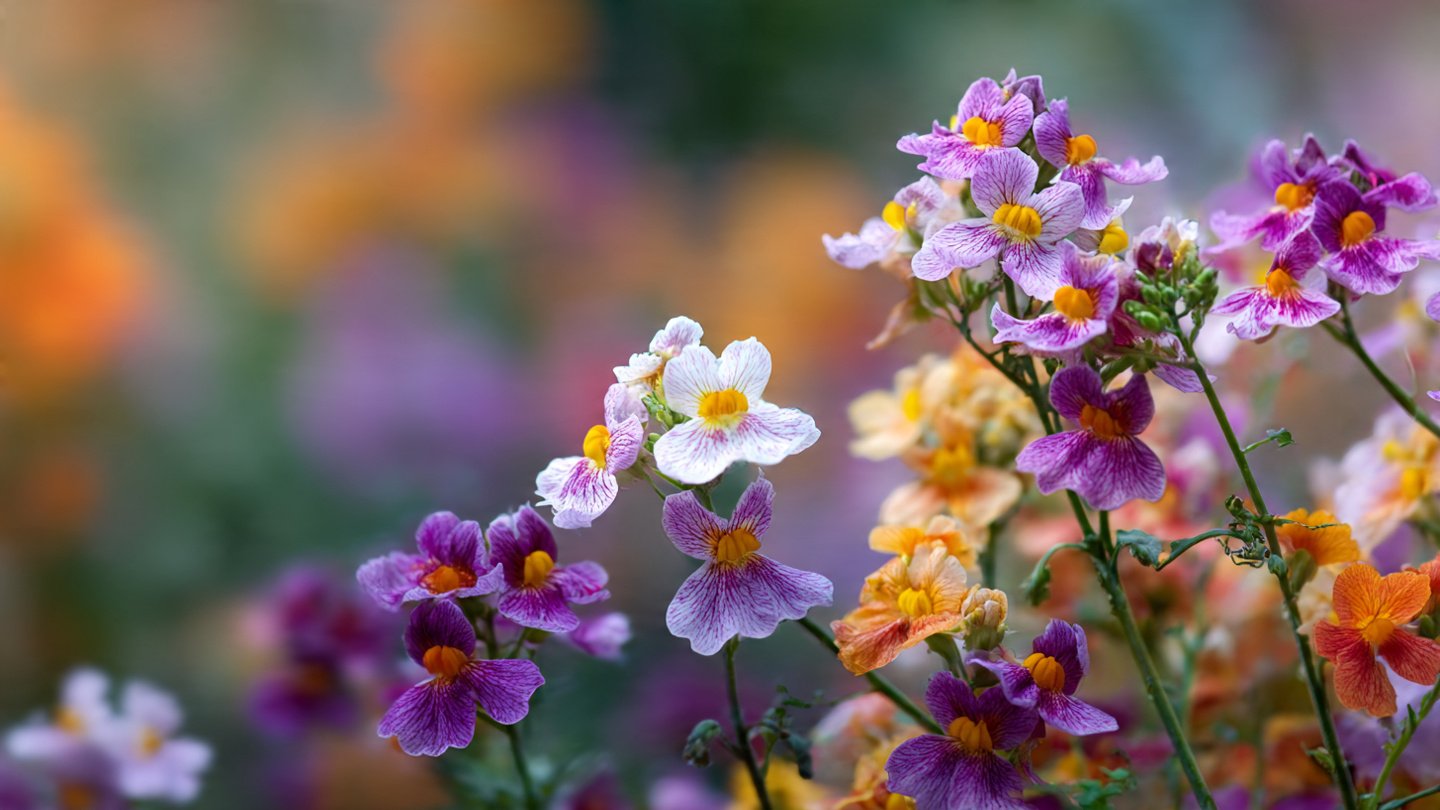
Introduction to Nemesia
Nemesia is a charming flowering plant native to South Africa, popular for its stunning blooms and delightful fragrance. With an array of colors ranging from vivid purples to cheerful yellows and soft whites, nemesia can add substantial visual appeal to any garden. The best part? Growing nemesia from seed is a relatively simple task, making it an ideal choice for both novice and experienced gardeners alike. This guide will walk you through the entire process, ensuring you can cultivate your own beautiful nemesia blooms.
Understanding Nemesia Varieties
Latest Posts
- OnePlus Turbo 6V 5G Launched – for Gamers with 9000mAh Battery, 220MP Camera & Snapdragon 8s Gen 4
- Realme GT 8 Pro Officially Launched – 200MP Camera, 7,000mAh Battery and Snapdragon 8 Elite
- OPPO K13 Turbo 5G Launched – 7,000mAh Battery, 50MP Camera and High-Performance Chipset
- Realme 17 Pro 5G Unveiled – IP69K Certified, 200MP Camera and Massive 8600mAh Battery
- Vivo Premium Smartphone Launched – 200MP Camera, 90W Fast Charging and 16GB RAM
- POCO F8 Ultra Launched – Snapdragon Flagship Power, Bose Audio and Huge Battery
- POCO F8 Ultra Launched – Snapdragon Flagship Power, Bose Audio and Huge Battery
- OnePlus Nord 3 5G Launched – 120Hz AMOLED Display, 50MP Camera and 5,000mAh Battery
- OnePlus Nord CE4 Launched – Powerful Snapdragon 7 Gen 3, 50MP Camera and Long-Lasting Battery
- OnePlus Smartphone Revealed – Premium 5G Smartphone with 200MP Camera, 24GB RAM and 100W Fast Charging
Before diving into seed cultivation, it’s essential to recognize the different varieties of nemesia available. Here are a few popular ones:
- Nemesia strumosa: Known for its petite flowers and compact growth, suitable for borders or containers.
- Nemesia fruticans: This variety offers larger flowers and a shrubbier form, often used as a backdrop in flowerbeds.
- Nemesia ‘Dapple’: A delightful mix of pastel colors, perfect for creating a soft garden aesthetic.
Choosing the right variety for your climate and gardening style will ensure optimal growth and a flourishing display.
When to Plant Nemesia Seeds

Timing is crucial when planting nemesia seeds. Generally, nemesia is grown as an annual, but it is a short-lived perennial in warmer climates. Here is a simple timeline:
-
Indoor Planting: Start seeds indoors 8-10 weeks before the last expected frost date. This allows the seedlings to establish before transplanting outside.
-
Outdoor Planting: Once the danger of frost has passed and soil temperatures reach about 60°F (16°C), you can sow the seeds directly into the garden.
Regional Considerations
In mild climates, nemesia can be planted in early spring, while cooler areas may benefit from delaying planting until summer. Always check your local frost dates and adjust accordingly.
Preparing for Planting
Necessary Supplies
Before you begin sowing nemesia seeds, gather the following supplies:

- Quality Seeds: Purchase nemesia seeds from trusted suppliers to ensure high germination rates and plant vigor.
- Seed Starter Tray or Pots: Choose trays or pots with good drainage; biodegradable options make transplanting easier.
- Seed-Starting Mix: A light, well-draining seed-starting mix is vital to prevent damping off, a common seedling disease.
- Watering Can or Spray Bottle: Gentle watering helps keep the soil moist without washing away the seeds.
- Labels: It can be helpful to label your trays or pots with the variety name and planting date.
Soil Preparation
Fill your trays or pots with the seed-starting mix, leaving about half an inch from the top to avoid spillage during watering. Moisten the mix with a spray bottle, ensuring it is damp but not soggy.
Sowing the Seeds
How to Sow Nemesia Seeds
-
Planting Depth: Sow nemesia seeds on the soil surface; they require light to germinate, so do not cover them with soil.
-
Spacing: If planting multiple seeds in one tray, space them about 1 inch apart to give the seedlings room to develop.
-
Watering: After sowing, mist the surface gently to settle the seeds into the soil. Avoid heavy watering that might displace the seeds.

Germination Conditions
Place the seed trays in a warm location to promote germination. A consistent temperature of 65-70°F (18-21°C) is ideal. Covering the trays with a clear plastic dome or plastic wrap can create a humid environment conducive to germination, but be sure to ventilate periodically to prevent mold growth.
Caring for Seedlings
Once your seeds have germinated, usually within 10-14 days, it’s time to focus on care:
Light Requirements
As seedlings emerge, they will require plenty of light. If natural sunlight is insufficient, consider using grow lights. Aim for 12-16 hours of light each day, ensuring the light is close enough to prevent the seedlings from becoming leggy.
Watering Practices

Keep the seed-starting mix consistently moist but not waterlogged. Allow the top layer to dry slightly before watering again. Once seedlings develop true leaves (the second set of leaves), you can start watering more thoroughly.
Fertilization
When seedlings are around four weeks old, you can begin feeding them with a diluted balanced fertilizer. Use a fertilizer that’s about half the recommended strength every 2-4 weeks.
Transplanting Seedlings
Timing for Transplanting
Nemesia seedlings can be transplanted outdoors once they are about 3-4 inches tall and after the last frost. Acclimating them to outdoor conditions (a process known as hardening off) is essential for them to thrive in their new environment.
Hardening Off Process
-
Gradual Exposure: Start by placing seedlings outdoors in a sheltered location for a few hours each day. Gradually increase their exposure to sunlight and outdoor conditions over a week or two.
-
Final Transplanting: After hardening off, select a cloudy day for the transplanting process to reduce transplant shock. Space the seedlings 10-12 inches apart, depending on the variety.

Caring for Nemesia in the Garden
Watering and Fertilization
Once transplanted, continue to water young plants regularly, ensuring deep watering during dry spells. Once established, nemesia has moderate drought resistance. However, heavy feeding is not usually necessary; a balanced fertilizer applied in early summer can support growth.
Pruning and Deadheading
Regularly deadhead spent flowers to encourage continuous blooming. If the plants become leggy, lightly trimming back can promote bushier growth and more robust blooming.
Pest and Disease Management
Nemesia generally has few pest problems, but keep an eye out for aphids and spider mites. You can manage these pests with insecticidal soap or horticultural oils. Ensure adequate air circulation to prevent fungal diseases, especially in humid conditions.
Conclusion
Growing nemesia from seed is not just an enjoyable gardening project; it’s a rewarding way to cultivate a beautiful array of blooms that can brighten up any space. By following the steps outlined in this guide—understanding the varieties, preparing for planting, caring for seedlings, and ensuring good growing conditions—you can successfully grow nemesia and enjoy its delightful flowers in your garden. Remember, patience is key. With time and care, your efforts will yield a spectacular display of color and fragrance! Happy gardening!
Leave a Reply